Tillamook
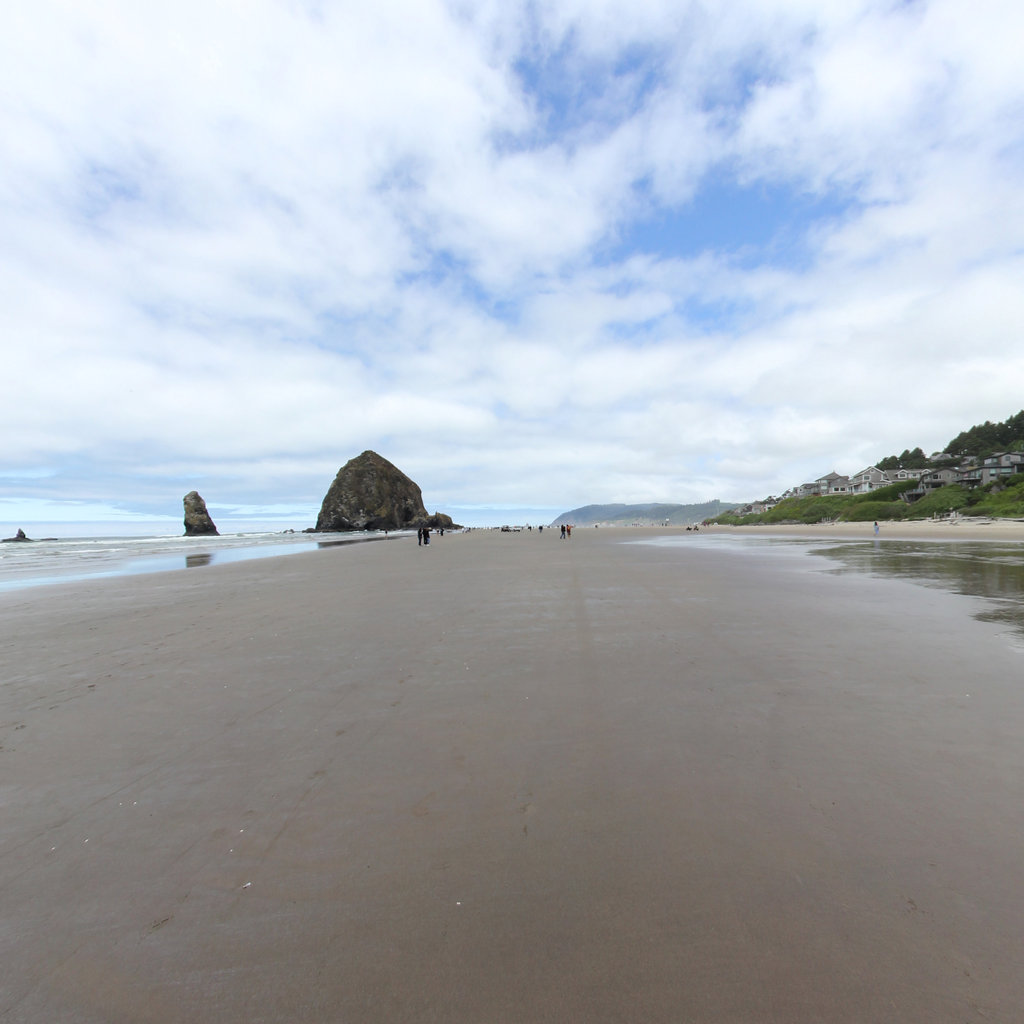
The Tillamook were a Coast Salish-speaking people—the southernmost Salishan group on the Pacific Coast—who inhabited the coastal bays, estuaries, and rainforests of present-day Tillamook County, Oregon. Members of the expedition encountered the Tillamook in January 1806, when Clark led a party south from Fort Clatsop to obtain blubber and oil from a whale that had washed ashore near present-day Cannon Beach. The Tillamook had already processed much of the whale by the time Clark's party arrived, and they proved to be firm but fair traders, exchanging whale blubber and oil for trade goods. The Tillamook shared the broader Northwest Coast cultural pattern of cedar plank houses, canoe-based maritime subsistence, and elaborate social stratification.
Biography
The Tillamook were a Salishan-speaking people of the northern Oregon coast. The expedition encountered them in January 1806 when Clark led a party to the coast near present-day Cannon Beach to obtain blubber and oil from a beached whale.
The Tillamook had already salvaged much of the whale by the time the expedition arrived. Clark traded for about 300 pounds of blubber and some whale oil — valuable provisions for the monotonous diet at Fort Clatsop. The expedition also noted the Tillamook’s skill in processing whale products and making canoes.
Sacagawea accompanied this coastal expedition after insisting on seeing both the ocean and the whale — one of the few times her personal wishes are recorded in the journals.