Walla Walla
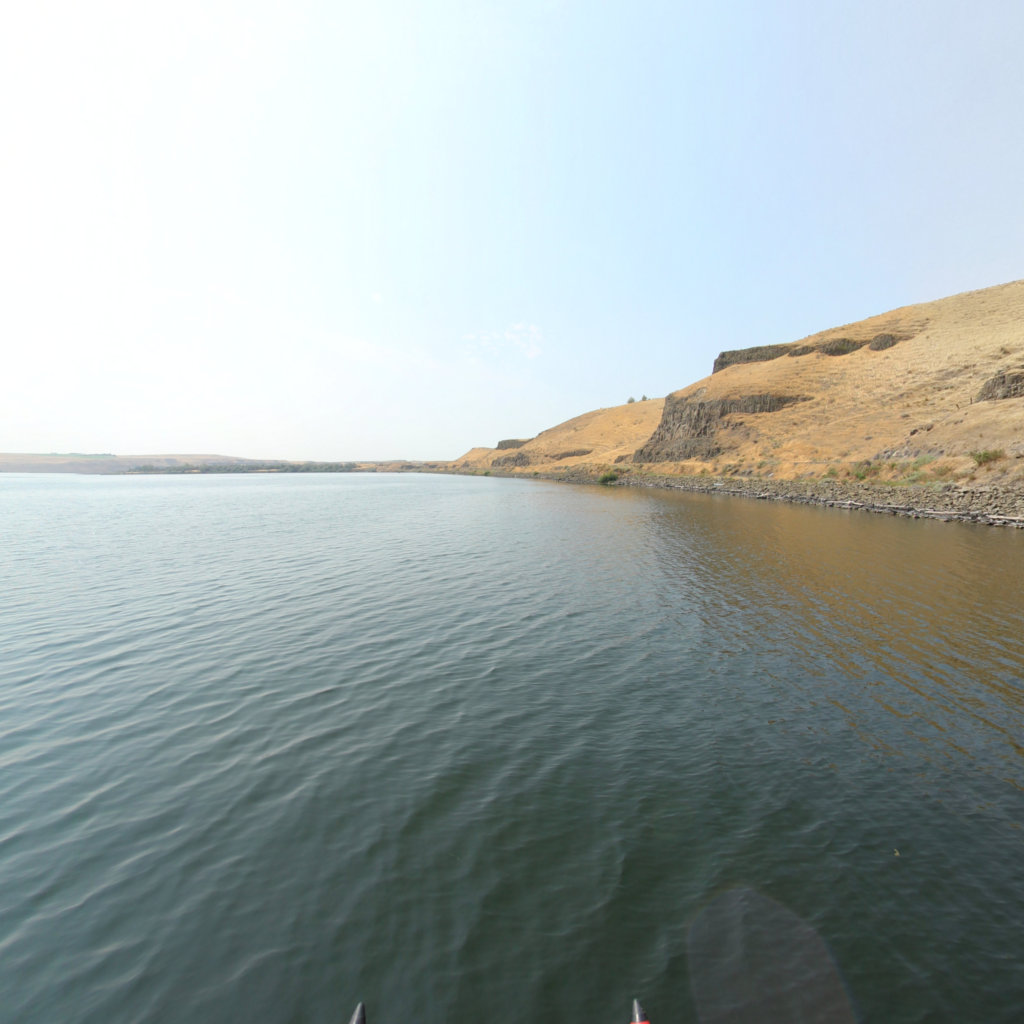
The Walla Walla (Wallulapum) were a Sahaptian-speaking people who inhabited the confluence region of the Snake, Columbia, and Walla Walla Rivers in present-day southeastern Washington. Their chief, Yelleppit, was one of the most favorably described Native leaders in the expedition's journals; he welcomed the Corps warmly on both the outbound and return journeys and provided canoes, food, horses, and crucial route information. On the return journey in April 1806, Yelleppit hosted the expedition for several days, facilitating trade and entertainment including a dance attended by several hundred people from multiple nations. The Walla Walla were central figures in the Plateau trade network and their strategic location at the junction of major river systems made them important diplomatic intermediaries.
Biography
The Walla Walla people of the Columbia Plateau, led by Chief Yelleppit, provided one of the warmest receptions the expedition received. Their territory along the Walla Walla River in present-day Washington was a crossroads of plateau trade routes.
On the return journey in April 1806, the expedition stayed three days with the Walla Walla. Yelleppit organized a gathering of over 500 people, with dancing, trading, and cultural exchange. The chief gifted Clark a white horse, and the expedition provided in return a peace medal, a handkerchief, and other trade goods.
The Walla Walla later became part of the Confederated Tribes of the Umatilla Indian Reservation, established by the Treaty of 1855. Their positive relationship with the expedition stands as an example of what cross-cultural encounters could look like when both sides approached with goodwill.