Yankton Sioux
The Yankton Sioux (Ihanktonwan) were a middle division of the Sioux nation who inhabited the James and Vermillion River regions of present-day southeastern South Dakota and northeastern Nebraska. Lewis and Clark met the Yankton near the mouth of the James River in late August 1804, and the council that ensued was one of the most successful diplomatic encounters of the expedition; chiefs Weuche, White Crane, and Half Man received the American delegation cordially, and the meetings featured speeches, gift exchanges, and ceremonial smoking. The Yankton were semi-nomadic bison hunters who occupied a strategic middle position between the sedentary Missouri River village tribes and the more westerly Teton Sioux. Their relative openness to American diplomatic overtures contrasted sharply with the tense confrontation the expedition would face with the Teton Sioux just weeks later.
Biography
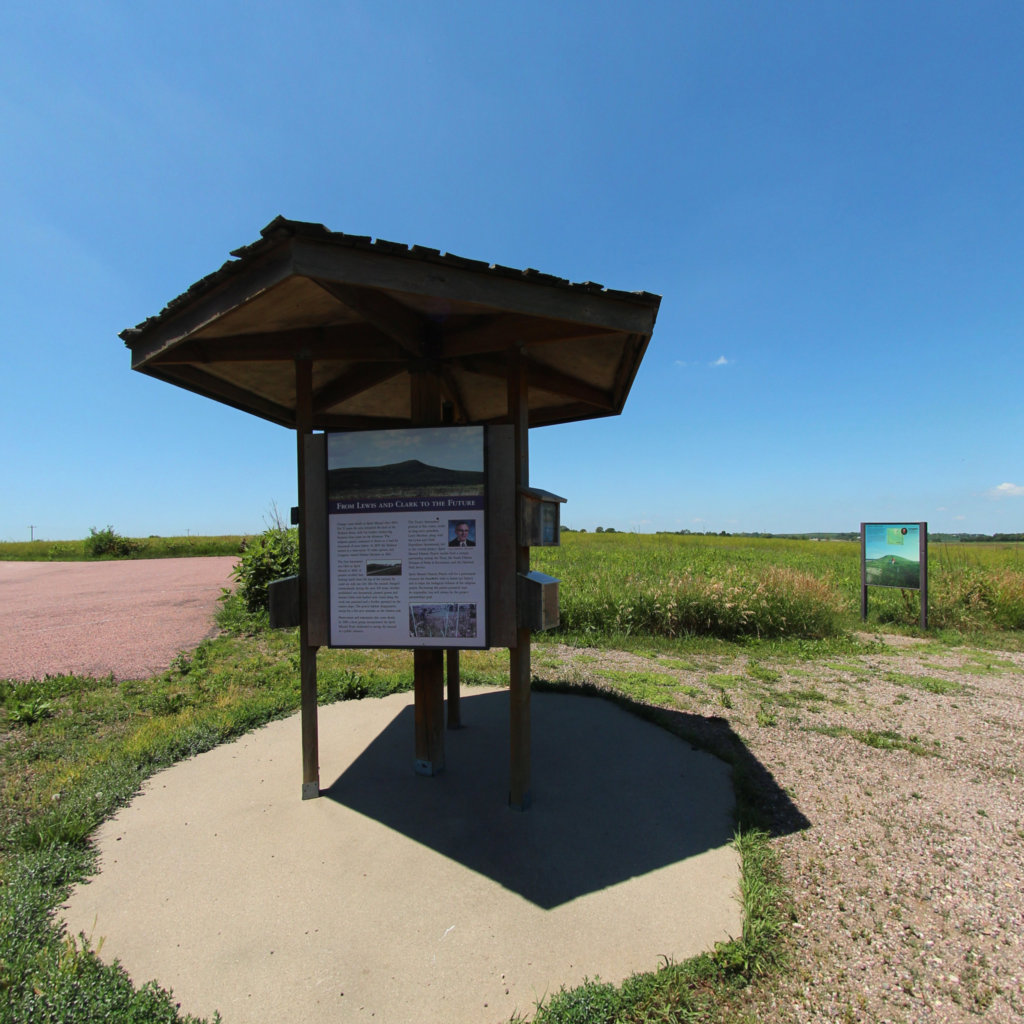
The Yankton Sioux (Ihanktonwan Dakota) met the expedition at Calumet Bluff in late August 1804. This was one of the expedition’s most successful diplomatic encounters, with elaborate ceremony, pipe smoking, and genuine goodwill.
The Yankton were generally receptive to the expedition’s message of American sovereignty and trade. The council included traditional calumet ceremonies, speeches, and gift exchange. Pierre Dorion Sr., who had lived among the Yankton for decades, served as interpreter.
The positive encounter with the Yankton stood in contrast to the tense confrontation with the Teton Sioux just weeks later, illustrating the diverse responses of different Siouan peoples to the expedition.