Tent of Many Voices: 03180602TMB
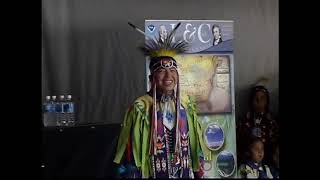
um we are in the National Park Service mobile outdoor exhibit we're able to travel the Louis Park Trail we've been on the trail since 2003 celebrating the 200e anniversary of the Lis and park Expedition and now we're on our last six months returning to St Louis so we're doing a hasty return now St Helens is our first venue on our return and we're really glad to be here we're really glad to see the sun shining today I would like to let you know or introduce Ray Gardner he is the vice chairman of the chanuk nation and we're very pleased to have him here today today he is going to talk about chook tribal history and culture so please welcome Ray Gardner welcome to all of you here this would be the land of the upper river chos the Wasco cats the Cascades all of our cousins that were up here I'm from the Lord tonight we were at the mouth of the Columbia River we were comprised of the katum tribe the wakum tribe the cath Lama tribe the wipa tribe and the lower chup tribe that's what comprises the chinuk nation we were and still are I always like to point out right off the B very much a presence at the mouth of the Columbia River even though there is some rumor that I've heard out there that we don't exist anymore a rumor the federal government would like people to believe but we have and always have been always will be in our homeland I like to point out from myself in particular I descend from huille huille was was the chief of the wipa tribe and was a signature signer of the Treaty of 1851 my family has always been on the Willapa River we can trace it back into the 1700s and myself from the time I was born the clinic I was born in the windows in the room where I was born faced the wipa river the house that I was raised in until I got married looked at the Willa River when I got married I moved a little bit further up the river and my wife and mine's first two homes again you could see the Willapa River from our home 10 years ago I moved further up the river and I now own to the middle of the riv but I'm very proud of the fact that I can point out that my family has never ever left where we came from I think that's an important element to point out because it proves proves that we are there that we are still there so kind of what I'd like to do is kind of just go back and kind of give you an overview of where the Chinooks were up to where we are today a good starting point is always 1792 that's an important date for the Euro Americans because that was the day when Robert gray with the Columbia red Diva and the lady Washington first showed up at the Columbia River now a lot of sailing ships had tried over the years to find what everyone called the Great River they knew that was going to be a source of trade they knew that that would be a place to be to control trade that came east and west from way up country down to the mouth when Robert gray first showed up at the Columbia he sat offshore and as anybody that showed up in our River our land we were watching him seeing what he was going to do he sent a couple of his longboats in and lost those longboats he was not able to navigate the bar on the columia river the Chinooks at that point ever the Traders which if any of you know the Chinooks that was who we were we were Traders we did control the Columbia river that was our source of power was to be able to control anything that came in and out of that R so when gray showed up we saw this as another source of of someone to trade with so we actually took our canoes and paddled out into the ocean met Robert gray and led his ship back into the Columbia so I'd like to say at that point I think we can safely say that the Chinooks were the first Bar Pilots on the columia river when we brought Robert gray in he came into what's now known as Baker Bay down in the ELO area trades were started with gray if any of have followed Gray's journals or some of the things that he has done he did not have the best rapport with tribes and his ethics were not always the best he'd had problems up north and unfortunately had not learned from those now trade if you look at trade in itself with tribes as tribes would meet up to trade with each other it was a social event and when another tribe would come into the Columbia River they would stand offshore they would ask the chinuk permission to come in we would grant them permission to come in we would look to see what they had to trade if it was things that were worth value we would invite them into our Villages into our long houses and trade might go on for days and sometimes even weeks until it was all done there was always Feast to be had there was dancing in the evenings it was very much a social event gray never did get that so when he was in Baker Bay we started trading with him started getting dark and gray was very reluctant to have tribes around his ship at night so in his journals it talks about one of our large chin Cano well actually several that were coming out and he fired shots to scare them off now we didn't understand that because like I said trade was something that once you started you went till it was done so our canoes backed off but they immediately came back in his journals he talks about one of our large canoes he doesn't say size he says it was holding 20 plus men he actually loaded one of his cannons and shot the canoe out of the water killing everyone on board that was our first contact with Euro Americans the reason I tell that part of the story is I think it's important because it establishes how much the Chinooks had the need to establish trade and keep that hold on the Columbia River tribal culture you you lose an elder or lose people in the tribe everything ceases until so you can properly take care of those people get them properly buried have the ceremonies that are needed to take place it points out how much the tribe wanted to control that trade because the very next morning they were back out there trading with gray again so it really emphasizes that need that the tribe had to control that River and make sure that that trade didn't go through them you come forward from Robert gray there was other ships that came and went and our next big contact that was established in history was Louis and park when they got to the mouth of the river one of the questions I'm usually asked so I just go ahead and incorporate it in anymore is what did the chinuk tribe think of Louis and Clark when I got to the mouth of columia river now you got to put this all in perspective when Louis and Clark got to the mouth of the river they' been out there they' been subjected to all of these things in this journey which I will say is a huge feat I mean I think it's wonderful that that that group of people were able to make that trip and not lose a single person in all the rivers that they were in that's huge but when they got down there they basically had gotten rid of any trade items that were of any value they had no food they were huddled behind behind a rock a dismal NCH their clothes were rotting they were basically stuck behind this rock even in their journals they talk about how they look up and to their surprise they see a chin up canoe coming across the river now I would like to say maybe we did it to add insult to injury but not only were we staying upright In this River that they could not even get their canoes off the beach our chief was standing up and about so our first opinion of Lewis and Clark was this is a pretty pathetic bunch of people but again in perspective we had been trading for several years with Euro Americans prior to Lis and Clark's arrival so this was not our first contact with the outside so we had other things to judge it on always kind of like to add in one thing right here where as much as things change change some things never do you come forward to 2002 the first group was coming down the river from lisis and Clark making a trial run just kind of seeing how things were going to go being on the river having their canoes out there which I might add those aren't canoes they have they're hollowed out boxs they don't have canoes but when they came down we knew they were going to be there so we took one one of our canoes and we stuck it in the chin Co waiting for them to go by we had several of our elders down there and our plan was actually to when they arrived to bring our canoe out follow them down come up the shore behind him and gift salmon to our elders and then get back in our canoe and leave now the significance of that was when we first met Louis and Clark we offered him salmon and they turned it down and they wanted to trade for our dogs so we thought there was some semblance of just offering the salmon to our elders and leaving as we're sitting down in chin Cove waiting for their canoe to come by and one of our elders came down to the cove and they said well they're already down at chinuk Park and our first question to the elders was well how did they get here we we've been here for hours they haven't gone by they said well they couldn't keep their canoes upright so they trucked it in obviously something don't change and as in history at that point we came out of chinuk Cove paddled down the river and came in to greet them on the beach they were just as amazed as I'm sure they were 200 years ago but it has been fun with that kind of laughing with the reenactors and and having a good time with that but if any of you were able to be down at chinuk Park last winter when we had uh the re enactment of the tribe meeting leis and Clark it was a wonderful day we came in we gifted him salmon they accepted it it was great it's nice to know even in that group that members direct descendants of the original group 200 years ago were with that expedition on our side direct descendants of the people that greeted him 200 years ago were there to greet him again when they came back I think that's very noteworthy that that took place as you move forward from Lewis and Clark which some would say is monumentous we kind of claim it as a non-event they showed up and they left but as you move forward with the Chinooks a lot of things have transpired since then that have affected our people our nation as I said I from huckfelt who was a signature signer of the Treaty of 1851 that was a tany point treaty that was some of the first treaties that were entered into between tribes along the coast and on the Columbia River and the federal government now for some reason obviously none of us will ever know why Congress failed to act on that treat so even though all of the chiefs of the tribes signed that treaty it has never been put into place the Federal Government Came Back 1855 they wanted us to enter into a treaty at that point part of the things with that treaty would have moved our people off of the Columbia River off of the wipa and pushed us all North to where the qual reservations now the Chinooks and the quals have never really been friends so obviously that was not somewhere we wanted to go plus the fact we didn't want to give up the Columbia River and Willa so we refused to sign that treaty which then Steven stormed out of the negotiations and that was our last official contact with the federal government as far as the treaty was concerned now after you go through the treaties the Chinooks were still considered a tri they were recognized they received services from the federal government my grandmother and my great a actually all of my great ants were from the generation that the government came in and took them from their homes and placed them in tribal schools now the reason for that was as they went forward and they commented themselves they wanted to assimilate the people into today's society and they wanted to take the Indian out of the Indian was the way they claimed it now my grandmother and my one great a ended up in a tribal school together it ended up they were punished because they spoke in chinuk language and the school did not like that so they removed my great a took her to a different school to make sure that they could not even communicate to each other in their own language even beyond that through The Land alotment Act when the federal government was giving land to tribal members in trust the tribe was still recognized through different treaties Treaty of Olympia some of those the Chinooks are mentioned in those treaties now we did not have people that signed those treaties but we were in those treaties and they were signed one of the things that happened with that is the federal government realized that they had six tribes that were fish eating tribes that had never been given land so if any of you are familiar with reservation The original qual reservation was 10,000 acres and that was the reservation for the quol now through these land allotment acts the federal government came in and bought another 224,000 Acres added that to the qual reservation which makes it the size it is today the reason that land was acquired was to give land allotments to tribes that had not received land even at that point in time the chinuk chinuk tribe was the largest tribe as far as numbers of people so individual members of the chinuk tribe actually own 54 to 55% of the entire Coral reservation so it's through all of that we were still recognized still receiving minimal services for health care very minimal but there was a little bit there then you move clear up into the mid 1900s there was a lot of things going on there were still children being removed and put into tribing schools you get up into the 1960s the Bureau of indyan Affairs was going through their records and and they as they were reading these tribes and going down the list they had someone in the barlan Affairs decided Well I've never heard of this tribe this tribe this tribe and they start Crossing tribes off Federal registered that was when the federal government decided that the chinuk tribe and Nation did not existed now it takes an act of Congress to terminate a tribe that has never happened with the Chinooks or any of the tribes that compris the chinuk nation so from that point on we have been fighting to reestablish who we are the fact that we have never left and that we do have a government that has continued through all of this time I always find it interesting that one of the things that the federal government has used against us repeatedly is but you don't have any life it's like well no you took it you know and when they took the land on the Columbia in the wiip if you go back through tribal Legends tribal stories which is how our history has always been handed down is the tribal people that were removed from their land and the federal government took it and put it up for sale were not even allowed to buy their own like that so they effectively moved them out of the area since then they have always used that against us you don't have any land you don't have a village how could have you have been there my mother has an article that was published in the Seattle Times years ago when I was just little in that article it claims that the chinups are extinct that we no longer exist well I an there's about 2600 of us that would probably disagree with that very quickly but we have been fighting since that time to be reestablished and put back in our place in history to be granted the rights that are given to any other recognized tribe to be able to provide health care for our elders and our youth to be able to provide housing for our elders to be able to provide businesses that we can keep our people home we live in a very depressed area in the state our children as they grow up have no recourse but to leave to find work we would love to be able to have our own businesses if could keep them there we fled through the system the first time with the Bureau of Indian Affairs we're unsuccessful so we started again 27 years ago with the fight to get our recognition put back into place after a lot of years finally in January 2001 we saw all of these efforts come to fruition our city council at that time went back to Washington DC went in met with the assistant secretary Department of interior while our recognition was signed and we were placed back onto the federal registry when our Council came home that was a huge day huge day it's hard to even explain when you've had generation after generation have been fighting the same fight and all of a sudden you can call your people back home and say guess what we find me went to appeals we had several different groups that appealed the decision excuse me there was only one group that was ask actually successful in having an appeal that was put forth that was heard and that was actually another tribe which is very disheartening to us because not only was another tribe it's a tribe that's comprised of mostly Chinooks that have been adopted into that tribe but they chose to appeal us so went to the court of appeals we still felt with all of the documentation that we had provided with all of the testimony that had been given that we would be successful in the court of appeals and we were the court of appeals upheld the decision they did come up with some questions that they asked when it went back but there was nowhere in their decision that it says the outcome of these questions will change their mind their decision was Final so that should have been the end of it but unfortunately it wasn't Bureau of Indian Affairs used that as a way to open our our entire case back up and review it now during that time we went from one Administration to another Administration went from all new people in the bureau on the upper levels and Department of interior so now there's a whole new group of people that are now looking over these documents while our chairman and his wife were back at the White House having lunch with George and Laurel Bush at their invitation for the kickoff for this event because they specifically invited all of the recognized tribes along the trail to come back to the White House for lunch to kick off this whole paration Waller chairman was there that event was over we actually took things back and gifted them to President Bush things that actually have been handed down for Generations within families they were things of Great Value to the CHS but they felt that it was deserving to gift the president with these things before the chairman could get back onto the plane to come home his cell phone M he answered the call and the call was from Neil M then assistant secretary Department of interior his comment to our chairman was that they had re-evaluated our decision and overturn so in that shorter period of time after all those years of fighting to get our recognition we turn around and lost the so now we're kind of where we are today none of us are willing to give up this fight we've been at it too long we are not going to go away we've been forced to do different things as far as how do we go forward on this quest for recognition the Bureau of in Affairs has specifically told us we're done with you we will not deal with you anymore you have used every Avenue that you have with us go away we didn't think that was a bable answer so the chairman myself and another council member went back and spent some time back in DC went and talked to 29 members of Congress and the Senate and said why don't you guys submit a bill to Gras our recognition which is within their power to do when we were back there they first offered us a bill that they said we'll submit this which basically would have recognized as in name we would have had no Gathering rights we would have had no fishing rights we would have had no hunting rights we wouldn't have been entitled to Health Care basically it would have been we'll give you your name back well nobody's ever taken her name away so we refused it we worked with them while we were in DC and came up with a bill that we thought was appropriate that would grant us our recognition back as any other tribe in the United States and what I always like to point this out too what some people don't realize if the Chinooks I won't say if when the Chinooks get their recognition cuz we will that does not immediately grant us the right to fish that's a whole separate B so and that's a whole another legal ble that could take years and years and years in itself to establish that so the concerns we get from fishermen are kind of unfounded because it doesn't necessarily mean that we get recognition that the next day we're flooding the river with boat that isn't the way it goes so after working out this bill back in DC feeling confident that our Representatives would put a bill on the floor it would be heard and history would take care of itself unfortunately that bill was never submitted while we were back there one of the comments I made to several members of Congress and the Senate was that at this point we have two options we can either have all of you back here pass a bill and grants our recognition or we can go to federal court now there are some advantages of going to Fed Court the one main advantage is if you sue the federal government for recognition no one else is allowed in the courtroom other than you and the federal government so all of the people over the years that have appealed this the cbers of of the salmon fishermen or the other tribes would not have the say in court one of the things I pointed out when I was back there that that's not the way we want to go it would cost us a lot of money it would cost the federal government a lot of money and it would be a lot easier to just go through the bill process unfortunately the response that I personally was given by several members back there was it's not our money now I didn't think that was a very good answer either CU basically they were saying if you want to go forward go to federal court so it's kind of where we're at at this point right now we're still voal that someone in Congress or the Senate will submit a bill on our behalf but we're also in the process of interviewing attorneys and getting ready to file in a federal court cuz like I say we we always were and still are a very proud people we're proud of who we are we're proud of where we came from we're proud of our culture we're proud of the fact that we have been Reviving our culture over the last 5 years we brought our first salmon ceremony back it's probably been the first time in about a 100 years that that had been practiced we are now in the process we're going to start opening that up to other people and letting them come in and see what we do and we don't find it at all odd that since we started having our salmon ceremony again the salmon population in our area has increased I'm sure that the salon are happy that we're back out are doing what we have done for thousands of years and doing it the way we were told to do we're having our winter Gatherings again we're bringing our people together winter time was a time of stories winter was a time the history and tradition was passed them all we've now got that back last winter we invited five other tribes they came in they danced with us they sang with us they told stories of their tribes it's wonderful to see those things coming back we're going to continue to move forward we're going to continue to get more of our culture back and more of our people involved one of the things I always like to add too because I get asked this question a lot by I'm the one that unfortunately gets to go talk to government officials and City officials and such because of my status on Council a question that I get a lot is so with recognition when are you going to build a casino now obviously anyone that would ask that question knows nothing of who we are or what we stand for they know nothing of the fact that when the federal government illegally took our recognition away and we started this process to get it back but there was not a tribal Casino anywhere in the United States and one had never even been thought when we restarted our our process still there had been no casinos anywhere about 11 years ago we had a gambling Consortium from the East Coast came down to one of our annual meetings and basically offered to give us a million5 dollars to fight the government to get our recognition in return what they wanted was to build a it was turned down by 99% of the tribal members that were present at that meeting casinos is not who we are like I say we're a very proud people we want to be back in our homelands we want to be able to provide for our own people that's what we're all about we took our canoes several years ago now and put them into Willa Bay probably the first time in 80 years one of our canoes was seen out there on w b b I was kind of briefly give the story of what took place that day because I think it really says how much we are grounded to that area and how happy the ancestors are that we're back when we were getting ready to launch our canoe we looked across at Long Island which is where we were and was actually a place of three of our village sites there was a black bear came out of the Timber walked across the grass out into the the mud and sat there and watched us launch our canoe when we got our canoe in the water the bear turned around and went back into the timber we turned and started to go around the island we made it maybe 150 ft and a fish jumped into the canoe we carefully placed it back in the water we went a little bit further around the island an eagle came out and circled over the top of us and went back into the island we went further down and there was a herd of elk standing there the elk with bugling no while we were going by we got around to the back side of the island we had another Eagle came out off of the island Flew Over the Top of us and kept going and all just kind of stopped paddling cter paddles in the air and turn to watch this Majestic Eagle he went back made a huge turn and came back and when he was flying back he was flying directly in the line of our weight when he got to us he flew down over the top of us to where any of us could have reached up with our pad and touch him as soon as he got in front of us he turned and went into the island and we thought this has got to be aide and we were ready for a break so we went into the island there and we pulled up right where the eagle had gone back timber when we got out of our canoe we didn't walk 30 ft and there was a Timber of one of our long houses sticking out of the bank with about a 60-year-old him growing over the top of it that eagle knew exactly what it was doing it was taking us home it was showing us where one of our Villages were things like that happen every event we have everywhere we go we get silence I don't know if any of you have been following too much about what's been going on down towards the mouth of the Columbia River but we're now in the middle of a situation that's going on in Station Camp which is set to be the newest National Park during the construction at Station Camp a subcontractor went off of the plan as it was written and Di in on the diagram and with a back dug right through the middle of one of gravs when nine of our ancestors were buried there the bones were scattered by his hole I was one of only four of our tribal people that actually were there to hold our ancestors I went down and prayed with these people and we placed them back in the ground as they should have been doing it very traditionally we have now got this covered up and protected and hopefully no one will disturb them but it has put the national park on hold because obviously the tribe is not favorable of now having a highway run right over the top of our ancestors it's not something we want to see happen we had a special council meeting in January and 94 or 95% of the people over there that were voted voted for the tribe to shut the project down there's been mixed emotions from the public when they heard that that's what we did one was how could you shut down a national park it needs to be there most of them can't understand why we would take the stance that we did I can understand and I think any of you could if it was your family they had been disturb and now they just want to put them back in the ground and build a highway I don't think anybody would want to see their ancestors objective to that we are still at the table with all of the state agencies and the federal agencies I have met with them several times we're going to be meeting again next week we do want to work out a compromis that our ancestors can be protected and they can build their park we don't want to deny the people right to know what went on there with Lewis and park but also with the chin Tru so to have that park there is to our benefit as well now one of the reasons I brought this and it's actually a question I was asked before I even started is the first question I got was what is it well obviously it's one of our Cano PS the next question is well why' you cut a hole of these were chinuk River paddles probably the only tribe that I've ever known that ever made paddles like these this is carved out of Oregon Ash so it is a hardwood the tips are strong the reason for these is when we would get into shallow water and you get rocks and rots the canoe would get hung up on if any of you have ever spent any time in a canoe and you have a paddle with a nice point on it you try and hook that on something to pull yourself through that shallow water and it slips off well with this we could actually hook over rocks or rots and P the other purpose for this was this was used for Gathering wapt RS so when the women would go out to harvest roots not only is this a functional paddle to get them up into through the small waterways in shallow water but once they got there they could actually use the points to stick into the ground and turn it back and forth to work the roots up so it was actually a very functional tool as well as a pad we did have when we were ocean going we did have the full tip on our pth which we did spend and have been spending more time out there in our canoes we were known for going as far north as Vancouver Island area in our trade and as far south as Northern California so we have over the years spent a lot of time going up and down the ocean but we also spent a lot of time coming up and down this River it's pretty well documented that some of our canoes that came up just the island falls on trade runs were in a neighborhood of 60 to 70 ft long now when you think about that half of the boats that are out there now aren't as long as our Cano were the haidas also were known for the length of their canoes they were known for coming down the coast and their 60 to 70 foot work I work with a a Haida member that actually works with the gra Harbor historical Seaport and we've done a lot of work between the tribe and the seaport with the lady Washington because of the connection with Robert gray the captain of the lady Washington was shocked to hear that we had that were longer than his tall ship was kind of puts into perspective how large these canoes were with that it kind of gives you I mean I can spend all day long talking about who we are where we were how we got to where we're at but I think it's probably a good place to go ahead and cut it off and see if anybody has any questions that I can answer if you have any questions we'll bring a microphone around so everyone can hear you I know I know this is but put the highway over it be protected corre I won't argue that but personally if it was directly my ancestors I wouldn't want traffic running over the top of them day in and day out now does that happen all over the place probably now they also uh they also move they also move remainings to other to other places couldn't that be done that's like I say we're still negotiating okay we don't know where it's going to go that is something that does happen U they have offered to remove our people and and put them somewhere else of our choosing and they have even offered some possible sites for that to take place they're also working with us as back at the Smithsonian there remains of 29 of our ancestors back there which we would like to bring back home so yes there's a lot of different options that are out there we haven't ruled any of them out but as of now with our ancestors where they are we have clearly said we do not want to Highway any other questions no but we were we did hunt seals and sea lines but we were not a whaling tribe it it is documented back in our history that occasionally if a whale would come up on the beach we would Harvest it and use the parts of it the Maca and that was actually a question I had earlier today when I was walking around was about wailing and about the MAA and they asked if we were involved in that at all which we weren't but I have the greatest respect for the maau tri and the fact that they want to wh the reason for that is I'm a firm believer in treaties and the treaties need to be upheld the maau tribe was the only tribe to specifically leave language in their treaty that granted them the right to wh so that isn't a treaty that was signed by the maau tribe and signed by the federal government so I feel like they have the right right to whale and I feel that the government needs to observe treatment would you be interested in harvesting some more seals for us please yes we would love to and actually if you look at any of our chinuk canoes you'll see that there's a Groove in the bow where it comes up those canoes historically would have never been in the water without a Haroon sitting there and there's many of us myself included that would love nothing more than to go out and start using those again and kind of diminish the seals of the SE they're eating too many of a fish you include in the animals that you harvested the sea otters where those I noticed they're mentioned uh several times in this newspaper that's produced here yes the CRS were very important to the tribes one because it was the most valuable first so the tribes did Harvest seaotter a lot and actually with gray and a lot of those other first traders that came in that's what they were after the SE and I know that when the tribe would trade with the Euro Americans that was usually the very last thing we trade to them because we also knew it was a the great stuff so that Beaver muskrat make they're really just about any animal the fur the had fur we use uh a lot of deer hunting elk hunting we use all the hides for you know our moccasins to whatever we weren't ones to wear Buck skins out on the coast because they R so we were SE which I don't know I think that kind of comtable very functional if the government closes down the salmon fishing for this season what'll effect will that have on your tribe on our tribe it really wouldn't have any because without recognition we have no fishing rights anymore so the members that we do have that are fishing commercially are fishing on state licensees is the rest of us are recreational fisherman so on us it wouldn't have any impact and I'm not quite sure going through the bolt decision and having to follow that down if they could actually shut the tribes down or not I think that would probably become a huge Court issue in itself but I know there is talk of of you know really curtailing Sam season back and I'm not quite sure how that fits in is it true the settes uh is who is recognized as having this land here St on that no the settes actually pretty much are where their historical land was I find it interesting to have their Casino named chunuk win but no they're they're pretty much down there and there's other tribes between them and up here there are tribes that lay claim to this uh some of them were here and gone but the Warm Springs actually further up the worm Springs came down to the river the npers actually can lay claim to some of the the columia river area the yakas the humillas the grand Rons there's several that could actually say that they had been here now the tribes that actually were here were chinuk speaking tribes so part two of my question is whoever is recognized the safe around Bonville Dam could you in conjunction with them you think helped on the sea line issue uh Harpoon some sea lines cuz last night I heard finally they're going to ask the federal government if they can kill some sea lines which will be a big hoopla you know and that's what a lot of people have said around here is gosh I wish the Native Americans could go Harvest some legally you know I I think it would have an impact and I think we would be able to interestingly enough even without being recognized I've had people within the federal government that choose to remain nameless they have asked if we would be willing to come up and get some sea lines in B of day they've also asked us if they were to trap them and kill them if we would be interested in harvesting the meat GS which we would and I've told them that we would definitely enter into those negotiations with them if they get to that point okay well with that then thank you very much for being here let good everyone our next presentation will be at 4:00 it's reminiscing about Merryweather e e e