Tent of Many Voices: 03310604TMB
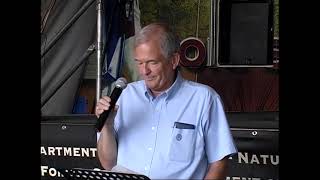
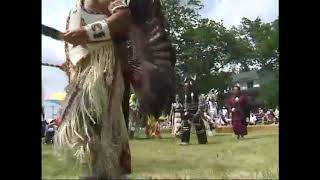
gentlemen and I would love to welcome you to the core of Discovery 2 we are commemorating the b the original L discovery that happened from 1803 to 1806 and true to Lewis and Clark in 1806 whenever they were making their Hasty return to St Louis Missouri as our we so by September of this year we'll be back in St Louis Grand Ron is the second venue on our tra travels back to Missouri and we have been welcomed with open arms here and we're very thankful for the grand Ron community and so without further Ado I would like to introduce Mr Bob Tom and he is going to be speaking about powwow and other cultural members or cultural Gatherings and he is a member of the confederated tribes of grand run so please welcome Bob Tom thank you glad to see you here today out and about have you been in the casino okay good thank you for that uh I'm 68 years old I'm a member of the confederated tribes of grand Ron my tribal affiliations are the Shasta the clth river the Rogue River and the umca from the east side of the Coast Range and Ashland area my mother's That's My Father's Side my mother's side is along the lower Rogue River and the sixth River rer and I'm a descendant of the maany band of the tuty from The Rue River so those are my tribal affiliations and both my mother's tribe and my father's tribe were relocated to the reservations here at Grand Ro and in salet uh but I'm really from Southern Oregon I've been an MC for about 35 years and so they the people that are putting this on ask me if I would come and talk about pwow how many here have been to powwow before okay and uh so they asked me to talk about them about powwow and I can talk about other cultural events but powow in itself will take up probably all of our time and as an MC a lot of times I get to sit up or stand up on a Podium like this and watch the paow arena and in my 35 years it's been a wonderful experience seeing uh the grand entries of the pow off and the different styles of dance and the people that come and the audience and the vendors uh and the people that are working the floor so it's been a wonderful uh experience for me and it's one that I look forward to all the time I'm going to MC a power at Porton State University in May and I AMC AA of Southern Oregon University uh are um down in Ashland and also cow paa way up there at South R Falls it's about 45 miles east of their Casino way back up there in the mountain by an ancient uh fishing site of the Cow Creek Band of the unfa so uh this is uh paow is the way of life you see some of our family it's the family of poow is a big family you see some of our family the vendors in there and even the ones that are making fried bread in the food they're all part of our paow family along with the drummers and the dancers and so a poow is sort of a modern name when I was really young uh that asked if you were going to the war dance uh it's what they used to call powow you going to go to the war dance this weekend sure you know and uh powow are the war dances uh there are many things uh they're spiritual and they have powow for a lot of reasons like we all sign treaties with the US government so a lot of tribes have a powow on their treaty days when the treaties were signed uh they have veterans powow to honor veterans we have a veteran powow here in July and if any of you uh men or women here are veterans I invite you to our paa we honor all veterans Indian and non-indian uh we have veterans from uh other countries that come and so it's the time that we take for one weekend last year we had 255 veterans come in with our uh Grand entry the first day and we had 34 World War II V come and so it's uh it it really makes us feel good because our dancers uh all come there to honor veterans and for our drums to be able to sing for veterans you know from World War II On Up is a real honor and it's the way they're supposed to treat their drum and it's why they became drummers and singers we have uh gourd dancing and round dancing so we have a lot of kind of powow and Gatherings uh they have uh we have two kind of powwows they're called traditional and competition powwows and a traditional powow there's no contest and everybody just comes to dance but they have exhibitions of each style of dress we have uh several main styles of dancing we have tradition traditional men and women we have grass dancers they got Fringe on their outfit and they started back in the Wisconsin area and out in the plains and uh when the people would gather together for different from different directions and we're going to meet these grass dancers would go out and mat down the grass Prairie and Matt it all down real flat so everybody else could come out and dance and so they have a real unique foot movement how they matted that grass down so the other people could uh come out and dance we have jingle dress and they have little cones in there I think I saw somebody selling some jingle dress cones uh I've heard two stories about how those were created uh one was was this man had a dream and in the dream he saw this saw this dress and this outfit and this they have about seven different foot movements that they use nowadays they only use about three of them but they used to have seven different kind of foot movements that they would use for Jingle dress and he saw this in his dream and uh so he told these four ladies and they made the outfits and came out and started dancing in that jingle dress style the other Story I Heard was these ladies were on a reservation where they had a extreme alcohol problem on their reservation and they tried to think of ways that they might make a statement and deal with that and so they decided themselves to become sober and they decided they were going to put one of those Jingles on a dress every day they were sober and they got to 365 Jingles on that dress they came out and started dancing before the people and told them how these 60 365 Jingles got on this dress and that they dance sober clean and sober from there on uh those Jingles uh were once made out of calat Lids some of you ladies know what Calment Lids are and also later on started using snooze slids they were smaller easier to turn so so those are a couple of them uh they have a fast and fancy double bustle they're two bustle men wear and they dance real fast and fancy they have uh a fat and fancy Shaw dancer women in the this is the newest dance in our cous uh the Double bustle is a real old style of dance for men and they really go fast there's a northern style and a southern style and they really go fast and our young ladies were watching them and it looked like so much fun they wanted to dance fast and fancy but they did uh they didn't have permission and they didn't have an outfit so some young ladies start putting on men's outfits and going out and dancing with the men well I've heard that a couple of them won a men's contest so they say that that's why the Men start coming up with this fast and fancy Shaw dance and they allowed this to be a new dance and they have a a bright Shaw and they have totally color coordinated outfits and in the men's fast and fancy and in the women's fast and fancy you will see every color of the rainbow and every color that existed since from the rainbow they're just beautiful outfits and they dance and these are young girls because they dance uh fast and fancy I can remember in the ' 50s in early 60s at Delta Park poow up in Portland who has there's been a poow there for many many years where some of the ladies were dancing in the men's fast and fancy because they didn't have the bat B and Shaw B so that's one of the newest dances we have um round Buel men put bustles on their arms and at one time they were made of just that one longest feather in a pheasant and the pheasant tail is one really long feather they would make their bustles from just that one feather they also used to use uh Magpie mag pie feathers in their round bule and they have a style of dance it's kind of like a prairie chicken they kind of look like that prairie chicken when they dance and uh that's around bustle um so at a powow they have if it's a contest powow each one of those styles of dress go out with other people that have that style of dress and they compete and in nowadays in Indian Powerhouse you might if you win first you might win anywhere from $4,000 to $200 and the committee will have first they'll usually pay first second and third sometimes they'll pay first second third fourth and 5th but they will have a contest for 6 to 12 13 to 18 and then 19 to 50 and then 50 to 60 and then maybe our 65 or maybe 65 and over this is for men and women both so you can see if they when there's a contest po like that that committee has to have4 to $500,000 along with paying drummers and then feeding people and doing other uh taking care of some of the other CA so powwow over the years has not only been something where we can gather together and be with each other and dance and sing meet new people have a good time but it's also become a big part of a lot of tribal business casinos put on big p the the confederated tribes of grand R put on a big powow the third weekend in August and they bring in some of the top drums in the world from Canada and around the United States and those top drums from the United States in Canada attract some of the top dancers from Canada because if you're a dancer and you and there's this one drum that is just the best drum in the world you want to go out there and you want to dance because it's a contest between the drum and the dancer the dancer has to keep be with the drum they have to start when the drum starts and they have to quit when the drum stops so drums are always trying to trick them and stop it early or putting a little tail on it and taking it a little longer so it's always a contest between the drummers and the dancers uh our dancers uh a lot of these young it's a like it's a family affair and you'll see kids in their diapers yet with outfits on and then you'll see grandmas and grandpas you'll see people out there 80 years old dancing and all of the ages in between and a lot of families will travel the whole summer from paow to poow and getting in contest that's their summer they not only have fun but then if they win they they kind of pay their way but you you can see some of our young people they Aspire To Be A Champion dancer and it takes a lot of work you not only have to make your outfit you have to upkeep it because there's a lot of wear and te on outfits out there when you're dancing and when you're packing and unpacking putting on taking off so there's constant upkeep for your outfit and it's got to look good if you're in a contest so here's these young people that Aspire To Be A Champion dancer and in our Indian World we're happy when our young people do because in our tribes there's a certain percent that go to college certain percent go to get jobs and work there some play basketball some play softball not everybody dances and not everybody can be a champion dancer and so when we see some of our young people take on the hard work the TR conditioning the practice and uh to become a champion dancer it makes it makes all of us proud but at the same time that powow Circle because we hold powow like on the dirt and the grass we hope powow in uh tribes have powow grounds Arbors we have powow at conventions I've danced and been an m see in in the fanciest Ballroom in the hotel even had mirrors on the ceiling I don't know if the rooms did I wasn't I didn't stay there but this is fancy place in a hotel and so we have pouts a lot of different places in gymnasiums in high schools and colleges and so um there's Urban powwows there's rural powow there's powow way up in the mountain like I said at calri in Ashland and Phoenix there's powow in downtown Portland there's powow and we have powow a lot of different places one thing that I appreciate most of all about our Indian way of life because powow and when we gather is a big part of our Indian way of life you can't read your you don't see a lot of misbehavior at a paow people that are in a pawow circle bring their family up to know what the protocols are and how to behave and how to be respectful and so uh it's a nice place to be in if uh hopefully some of you that went raised your hand hopefully you got treated well at the powow or felt okay about being there because at a powow we we appreciate people coming and if there one time that we can kind of give them a little visual about what one part of our life is I live in Kaiser and I go to a powow at least once every month out of the 12 months of the year and I MC probably 15 or 16 pows year so it's part of my it's part of my life I live in Kaiser I've been retired about 9 years and I Golf and spoil my grandkids those are my main jobs but I go to a powow and when I go to this powow I'm surrounded by 90% Indians I'm there and then there's Indians at the drums there's Indians dancing there's Indian selling there Indian walking around and that sort of reinforces me kind of kind of uh makes me feel good strengthens me muscles me up and then till the next power and I'm surrounded by all of this family that I have these vendors and all of these all of these people that I've met over these 35 years I've seen them dance and quit dancing and seen their kids dance and their grandkids but one thing I like about the pow out most of all now all of you have had kids and you send them to school you guys all had kids sent them to public schools and at sometimes during your kids' life in the school you were concerned about how healthy that place was how safe that place was how they were treated if they were treated like they were like or if they were treated like they were disliked or if they were good or they weren't good people looked at them that way the powow circle is one of the safest and the best learning environments I've ever been a part of we Bless The Dance Arena wherever we dance I don't care if it's in a hotel or or where we bless that Arena and so when people come out to that Arena they're in a safe learning environment any of you could go out there dress just like you are and dance around and hop and jump and have a good time and a few people might smile but no one's going to run you off the floor no one's going to yell you know cat call and yell at you and you'll see little kids following a traditional d answerer or they'll be following a grass dancer they see somebody and they see the way they dance and they they like it so they follow a older dancer so they can kind of start learning you'll see kids with half an outfit on you'll see people with full outfits on it doesn't matter if you don't have to be good and that goes for the drums too there's a lot of drummer I've been drumming for 35 years and I'm not a good drummer or singer but I love it and if I don't do it every so often I start missing it I need to I need to sit down and drun for the people and so everything about that Circle the drummers and the dancers it's a safe learning environment you can come out and I've always appreciated that people if somebody does act up that we have what we call Arena directors or whip men if you're on a reservation you may have a whip man and they have a whip and they can use it and they can run your kids off and they can do all kind of things on a reservation if it's not on the reservation they usually have just what they call Arena director somebody that has charge of the floor the arena directors I've worked with I've always appreciated and there could be some young person that was sort of acting up simply because they didn't know they didn't know the protocols you'd never see that person chew them out and shake their finger at them right there on the Dance Floor they'd wait till the song was over and the next song started and then they you you'd see them way over there out of the way talking to that young person talking about how they were behaving and how they weren't supposed to behave that way and so it would it's it's that kind of thing you don't ever want to uh tell somebody they're doing something bad you want to always encourage them to continue uh dancing so we have uh a powow and there's a committee uh and they do a lot of work I've been mcing for 35 years and I've never been on a pout committee and I'm never going to be on a Fout committee those guys work so hard and I've gone to powow after powow and I get there half an hour before the powow starts and they're pulling their hair out and they've been arguing and something wasn't ready and we're not ready and so and so didn't do this and they're just in a frazzle and but I've never been to a bad P I tell him just relax we got drums here we got dancers here you got food you got vendors you know don't worry you know it's going to be fine but they do they do a tremendous amount of work uh and they uh really try to make everything good for the people that come the drummers the dancers the audience everybody uh a lot of times tribes support tribes put $100,000 into their uh powow committees and the reason they do that is because it brings a lot of visitors so they so they can be with us on our reservation so they can be with us for a day or two days uh at grandr and at settes they both have wonderful camping places you got a trailer pull it over set it up visit you know and and so they know that people come and they want to make sure that people are treated right and given uh a good experience about our uh committees do a lot of fundraising they sell things they have food sales and uh they have Raffles they sell tickets uh and a lot of times at contest a family will sponsor a contest they'll put up $500 for first place traditional uh they may be honoring somebody in their family so you have uh sponsors and when you go to AO all of those vendors pay some money to the committee and they may also have to donate something to the raffle uh as part of uh fundraising I don't have a watch so somebody can tell me what time it is 2:30 okay at a poow as an Indian person and all of the and all of the other people I know that live the Pawa way a paow is many things if if you come to a poow you may enjoy walking around all of the vendors and looking at what they have you may enjoy some of the food fried bread and Huckleberry Jam it's good you know uh you may enjoy the dance you may enjoy the singing uh just people watching there's a pow out serves a lot of purposes there ceremonies that go on at Power House when our people gather together when we have our drums when we have dancers traditional dancers when we have spiritual people when we have equip men and Arena directors those that's the only time that some things can be done if you honor somebody in our Indian world you honor them before the people in public so when you have a big Gathering like a pow out then that's a good time to honor somebody because you get up and you talk about that person and you say why you're honoring that person maybe you were sick and they came and cut firewood for you maybe they helped you when your car broke down and you lived with them for a month all kinds of reasons people will honor somebody but it's done in a public way like at of powow and I've always found that to be good because you all live in a community and you don't know everything about everybody in your community you may see somebody all the time but they may have done some really great things and you're not even aware of it so all of a sudden here at a powow they get up and they give this man this woman something and they talk about the good things that they did and it gives you a different a different look gives you a different perception of that person you never knew that person did things like that so doing things in a public way is something that's good for our community good for young people to hear how people help each other so there's ceremonies that only are good to do at a powow in front of the people um there's name giving uh my Indian name is in felin comes from a treaty signer of the maany band of the tuty who signed a treaty In 1855 at lower Oak flat uh just uh 500 yd up to where it runs into the Road River uh Nam givings happen in a long House gathering or at a powow gathering so you have those those kind of important things feathers hit the ground they have ceremonies to pick up uh those feathers after they after they fell uh Indian people use lots of parts animals in their powow in their outfits the drum is made out from an animal hide and many parts of our Indian outfits uh they have roaches and those are uh from the beaver and there's the little white part that's a deer tail uh they use the bones traditional dancers have what we call Eagle whistles it's made from the wing bone of an eagle that they make this whistle uh you'll see men and women wear otter and mink around their braids and uh you take like the otter how many have ever watched uh otter play in the in the creek or in the river with their young they slide down these little mud slides and go splashing into the water there'll be little RI uh uh the Water be real shallow and ripples and here these mom and dads rolling down the down the creek of the river with their little ones just having a ball so the women the men they put on these otter hies around their grave because they know some of the traits of the animals the deer the bear the elk the deer you know they they they wear deer hoods around their ankles to make sound when they're dancing they use Bells but they use elf and deer hoves to make a sound those things haven't changed our old people understood our relationship here on Earth and in almost all Indian prayers you'll hear people acknowledge our creator and our responsibility to to use and to protect all the things the Creator's given to us and spirit quests a lot of people go and they they're looking how they can be tied to a certain animal and what they're trying to do is tie themselves to a trait of that animal like the otter to be playful to be a good mother to be a good father or to a bear to be ferocious Brave dear agile all of these animals have some traits that are very valuable for us to know about but Indian people would look at and they would commit themselves to being to living a life and having that trait and so on our out today you can go to a powow and there may be dancers out there that have something one part of their outfit that may be 200 years old pass down from generation to generation there may be some new outfits but there'll be many many parts of animals in our outfits and and they're there because of the traits of those animals but it's also a commitment from us to be a certain way to be strong to be good to be a good parent so uh these outfits are and you know people call them outfits I call them outfits and regalia you know and we never call our costumes because costumes are more like in plues where you're pretending to to be be something else you know so we don't call them costumes cuz we're not pretending to be something else when we're in our outfits and when we're dancing and those uh and that keeping that keeping the drum bead when I was young I used to kind of dance to My Own Drum I guess I wasn't in Dr I wasn't in beat with the drum I was out there having fun and dancing hard but I wasn't always in beat with the drum and I would young I didn't see we didn't have competition P I didn't see it was all that important you know my dad told me you keep in drink with that drum because that drum had a power and those drums were created for us a lot of people don't know it but the drum beats of Indian people I mentioned all those kind of dancers they all have their own drum beat for their style of dress so we have a lot of different drum beads and our songs in this world there's no other people that have our kind of drum beats and our kinds of songs and we've been sing singing these songs Forever we get new songs and people talk singers will tell you that they didn't compose those they grabbed them those songs are out there somebody looks for a song lives a certain way that song's out there and they just grab it they don't take credit for creating that song Or composing that song they just were able to grab it bring it for the people because you dance for the people you drum and sing for the people and uh so I got five minutes and I guess uh you know outside of uh I didn't talk about all of the other Indian Gatherings that the cultural Gatherings and uh trading and they're just you know it's if you want to gather some Indian people you know cook a a big dinner and they'll all be there you know and we eat together and we gather for a lot of different reasons spiritual uh so I just talked about uh mostly powow today but you know a lot of our fam started at powow a lot of marriages started at powow we got a lot of intertribal marriages in my two tribes I'm related to almost everybody in my two tribes you know I always had my brothers and sisters and my aunties and uncles telling me who my cousins were you know and I guess when I got down to fifth cousins I didn't have to worry anymore but that age never matched you know so uh this inner marriage is a good thing you meet at pow you meet people from other reservations and we and we continue to keep a bloodline uh of Indian people because in a small tribe uh that's not always easy to do so it's another purpose of uh of our pal are there any question and you know I really enjoyed uh being here with you today I know I talked real fast but I guess I would just say when you say power out that is a way of life and you can't talk about a way of life life in an hour you can't because it's it takes a lot longer there's so many parts of it but I just wanted to tell you my dad told me to keep beat with the drum with my feet because those drums and those songs were created for us and that they have power and the only way you're going to get that power is to H hit your feet on the floor the same time the drum beads that's the only way that that power gets from the drum to you and gets to your heart is if you keep the same beat as a drum so after that I did everything I could to keep beat with that drum because I want those things that come from the drum to come to me where it should be so P are fun they're spiritual they're important and they're for everybody and you can get something if you come there sad sometime to a PO out hopefully you sit there and watch some little kids dancing and start feeling good and watch some bunch of family having fun uh over there eating spam and commodity cheese whatever you know you'll have you'll feel better you know so uh you know powow uh are for everybody you know and we enjoy them I certainly invite you to uh the two po outs from my family the second week in August is selet on Government Hill it's a Friday Saturday and Sunday pout and at Grand Ron here is a third week in August uh they're both great PS so I don't know if you got time for questions or if you if any of you have any questions I can bring the microphone around so everyone can hear I should have brought a hand drum we have one another part of powow is 49ers after the big powow and all the drums pick up and everybody leaves there's young adults that will go way away from the powow ground out in the field and they'll sing these 49er songs old young people teenagers and a long time ago the old people let him do that there could be some drinking going on but the old people if they were over there singing cuz they Circle dance social dance and they sing these crazy songs and have a good time but the old people said well if they're over there at least they're not in their cars driving around you know endangering themselves they're right over there where we can hear them but 49ers they s uh sad songs about girls and broken hearts and you know real funny real funny songs I should have brought a hand drum I would have sum a couple 49 songs for you made you cry so if no one has any other questions and please give Bob Tom a welcome Applause and at 3:00 we're going to have the Coyote Creek drum group come in here no matter where you are around here you're going to hear them and know when to come back so listen up