Tent of Many Voices: 04010601TMB
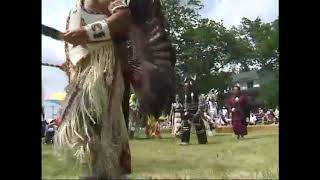
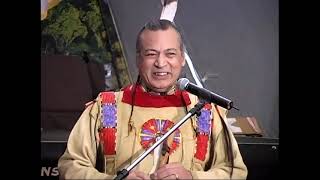
good afternoon um name and that's in the shinuk jargon or The shinuk Gua and um my daughter hope laferty is going to be presenting um she has been working on myor Project her senior project and it's been Lewis and Clark and different activities that she has been um conducting we're just coming in to help her and we're going to be doing a couple of uh prayer songs in the shinuk Wawa this is my youngest daughter nusa Morin and she is the junior Queen for the grand Ron royalty and um please do not applaud after um as well especially after the first song I just feel it is inappropriate thank you St Tong thought like a Ticky the West with um basically that was um just I guess kind of little literal translation the great Chief in the heavens are above and it was giving thanks and it was um asking for his strength his good strong spirit so thank you we're going to be singing a welcoming song and it's also in the shinua and um my daughter and I had sang earlier but these songs are very special these this particular song was um gotten through some of the old way through fasting and prayer and uh you know seeking after after it and and uh the reason I I know it was given because within half an hour we had the song or had the song So and some of the other songs we sing are songs that my um grandmother taught me or great aunts and I had mentioned before certain songs um you own them personally those are your songs and the one song that we sing my grandmother gifted that song to me and so like with children it's a children's song I share that song and you know let them sing that song but if you don't have your own song you might inherit a song or you could pay and get a song to sing and these are a little bit different than uh the songs that you hear that are sung at the powow so but anyway a little information and this is a welcoming song and uh we're really glad to be here and I'm really thankful that um we're keeping these songs alive and sharing these songs and actually um getting more songs so we have been blessed to do that fixing this ch CH son ch ch night T ch ch son ch e e e m till hello everyone I'm just going to talk a little bit about my regalia it's my native dress my cousin made this jingle dress for me it's a very special dress it's a medicine dress a medicine dance that we do um originally came from the Great Lakes area from the ajibu people a man a medicine man had a dream that he saw beautiful women dancing with in a different way in a different style from the traditional way they had um things that made noise in his dream these cones and he brought this dance and he shared his dream with his people and thus was born the jingle dance the medicine dance and this is a jingle dress a more modern one it became popular mostly in the pow out area in the 1980s but um there's you can make all kinds of designs on it some um of the designs are their their family's designs that have is just for them you don't really just like make whatever you want to it's it's really special it's personal and private I don't really like um people just to come up in touch or don't just let anyone wear this only I wear it I was actually um got it from my cousin who made it who makes dresses these are um very expensive regalas you can buy them I think it's more important to have it made by a family member but something like this can run about $800 very expensive and you don't ever wash them just keep them clean and dancing them I'd also like to talk about my otter first these are our um signs of like in a social class Chiefs descendants Chiefs daughters you were like an upper classman if you wore these long ago these all long aers people do wear them down to their Cals or so they do get really long from the ones from Canada um these are my hair ties they're black lip Abalone with they're beaded around the Abalone right here this is one of our Coastal shells my mom made these for me I do have a neck piece that I made it hangs right here and it's a beaded Rose in the shape of a diamond and I made that myself but my accessories I'm not wearing them because they're on display in the vendor tents my moccasins were made by a man from Canada and they have the Sue star design which along with being a confederated tribes of grand Ron member my father is oala from Pine Ridge South Dakota and this is one of the Sue designs my belt I made this purse on my belt it's a rose and my traditional dress I did have roses on it a beaded my fan was gifted to me by my mother my mother gifted me these feathers I earned my first eagle feather when I was in eighth grade um for doing good in in school um I was a stra a student at my eighth grade year and my mom wanted to honor me with that at my eighth grade promotion by gifting me with the eagle feather which I was very proud that day um I'm going to demonstrate a few steps for you so um I don't know if you've all been to pww or anything or seen the jingle dress style but it's very unique how they move um very fast Quick Step usually to to a very fast drum this is a medicine dance I was saying and these cones you can have up to um 365 it's a sobriety dance and it rep these cones represent the 365 days of sobriety and I'm sober so I do this dance um it's a healing dance for personal and everybody who can't dance praying for my family and my people to be sober so I'm going to demonstrate a few steps for you on stage there is um a Crow Hop that the jingle dancers do a side step and then just the straight that is mostly done at how El so my mom's going to drum and I'm going to show you guys some steps on stage okay okay and the fan is kept here at the side okay and that was just the straightforward the straight dancing um there is another style of jingle called the the old style where you don't wear um plumes in your hair jingle dancers have the tall eagle plumes in their hair feathers in the old style you don't use a fan you don't wear plumes in your hair and I wouldn't be wearing a fancy dress like this it would just be more plain just with the jingles um the side step I'm going to show you guys it's kind of um also known as the slipin slide I don't know just what some people call it it's kind of a rocking motion you don't really see a lot of footwork so I'll demonstrate for you guys people do it like that or they can um just kind of like their feet like this rocking or some people like this it's just however you want to um however you feel in your heart that you need to do it it's just everyone has their own style which is how um competition sets people apart thank you for my demonstration now I'm going to share my presentation with you about L Clark as my mother has already shared with you I've been working all year on my senior project which is um big project that starts from the beginning of the year we have to write a 15-page paper give a presentation to a panal of judges and do at least 20 hours of service working on our project I've been traveling around with my mother and my sister we go and to different Louis and Clark events and sing and just share a little bit about the native perspective on the ls and Clark you hear so much about how Lewis Clark went West on the their Expedition and came back and we're these great extraordinary men while the Native Americans are a little downplayed we feel so we like to come and share with everyone um so I've been doing my senior project on this and I prepared a presentation which I hope you guys will enjoy I won't be so nervous to complete okay um president Jeff sent Lewis and Clark to do four main things he sent them to keep a journal to collect specimen of plants and other things medicines to make contact with the Indians and trade with them and to map a water route to the Pacific um he didn't he didn't really know what was what they were going to expect he just he told them that to use the force that was needed which he didn't know you know he they could have to kill them to kill Indians who come in contact with them who might pose a threat um they really weren't sure what to expect from the Native Americans us on the other hand that Indian people we had come and contact nson Clark were not the first White settlers white Europeans white people we had come in contact with the Russians had come down on the Pacific coast French Canadians Canadians to trade with us so leis and Clark were kind of surprised when they came up on some Indians and we already had kettles and Beads and sailor apparel and linen clothing so um and they like in trading they didn't um they thought our asking prices were too much like we would trade something and then want expect a high price that's what they wrote in their journals that's what they thought but we knew the value of our Goods our otter pelts our deer hides we knew the value of these from pre trading with previous Traders so it really wasn't a high asking price um I'm really here to talk to you today about the impact of Lewis and Clark on Native people in general um forget about those um Lewis and Clark pretty much I don't want to like be talking bad about them but they really just came in and invaded us they set the pathway the groundwork for more and more settlers to come in and take over they really um laid the foundation for that we as Indian people we you know we didn't really have the resources um to fight back we after many years of fighting back we were finally put on these reservations and pretty much just like stuck in a corner stuck in a little piece of land where we were designated to live and just the grand Ron people specifically um our seated homelands were all over Oregon Southern California Northern California Southern Washington the Columbia River we were rounded up at Table Rock our five tribes the calap puya Malala umoa Rogue River Shasta we were rounded up and marched up here to brron um uh and given a 60,000 acre allotment around these areas and told that this was our homeland the Daws act said that each family could could have so much land there was about after our this was our 60,000 Acres I was talking about after that happened there was about 26,000 Acres left over which was um considered by the government a surplus and it was sold off so we were down to about 30,000 Acres when land um land became taxable a lot of um the Indian people here lost their land because we couldn't pay the taxes and finally we were just we were pretty much just reduced down to the bare minimum um president Dwight D Eisenhower in 1954 terminated us with the termination act which is such a horrible word because it termination it's like the wiping out like we pretty much told that we weren't Indian anymore we weren't a tribe we were reduced to our little Cemetery up on Grand r Road that's all we have it's about um um maybe the size of this parking lot I don't know it's not that big but that's all we had left after we were terminated that's all we were able to hold on to during our termination and it was just really sad for all of our people a lot of us stayed in this area hoping that one day we would get restored um through the diligent Endeavors of many tribal members a group tribal elders and leaders step forward to make sure that we could begin the process toward restoration um I don't want to name any names because I might leave someone out but it took about 15 years altoe through the process of getting legislation passed in Congress and Cooperative efforts from other groups it just took a really long time for us to get restored after we were terminated in 1954 in 1983 we um our bill was passed in Congress that said that we could be become a tribe again and and Ronald Reagan signed it and said that we could have um it was almost 10,000 acres back which he gave back to the grant round tribe Confederate tribes we still have um a lot to regain even though we have our our tribe our land we've lost so much of our language all we have left is um none of the PE none of um our elders speak our speak like I don't know if I mentioned but the five tribes the caluya Ana Rogue River shaston Malala we don't have any specific um speaker from each tribe like someone who speaks kalapuya or someone who speaks Malala we have a trade language the the chuaa which we were singing in earlier that is um a language that a lot of coastal tribes knew along the Columbia River and down that we were able to communicate through so alongside knowing our own language we also knew this trade language which is what we have now in Grand Rond and we have um preschoolers learning this language we are struggling to um gain back a lot of what we have lost our culture just a a tribal identity people have um married out of the tribe and the Indian blood is going away and it's just really sad we do have about 5,000 members and we are struggling to hold on to what we have our through our cultural immersion programs and we've really come a long way though we're survivors we're Fighters I think um just myself standing here today is a lot has a lot to say about how far we have come from being wiped off through like small poox diseases just we've really come a long way and we're still trying to um as I said regain our culture back certain um um our casino is our main funding we were able to build this casino in 1996 we originally we played Bingo up our up at our like our um Circa the grand Ron Circas up but we played Bingo and um we raised money we saved a lot of money and that's how we got our Casino started in 1996 which is has been the number one attraction in Oregon for 3 years we're very thankful for that and we use funding for that to provide our 5,000 members with health care and dental care we have um Native youth leadership program which is a program I've been involved in and really is a big part of my life um I actually just got back from a camping trip I was a chapon for about 20 native youth we were took them out to Camp Merryweather we were camping right on the beach we just have all these programs um our forestry that we were able to really work with and just it's just a big part of our lives our tribe is and we're working toward the betterment of our people toward establishing a stronger economic base that we can Just for future Generations um I'm going to in closing I'm going to sing this song for you guys along with being um Grand Ron Indian calap puya Oma Rogue River and Chasta I'm also oala Su from Pine Ridge South Dakota which I already shared where my father is from and I'm going to sing this song to you in the Lakota language in the women's lot this song was taught to my mother by Aunt Agnes so Lota woman I'd ask that you please not applaud T you T and you can sing it over and over um that's a a prayer song and it means here I come praying and dancing have mercy on my soul and it's praying to the great spirit Our Father in Heaven I'd like to thank you guys for listening me um it great having all these people to talk to are there any questions that anyone like to ask me none okay you have a question well here hold on a second let me get to you cuz then we can all hear you and you're on stage right how heavy is your dress um maybe like 15 lb maybe they can get I have another one that has more cones on it I think this one only has like maybe 150 cones but if I had the 365 cones it would be like 40 lb it very heavy yeah another question okay how old are you I'm 18 okay thank you guys thank you all right thank you hope