Tent of Many Voices: 04010602TMB
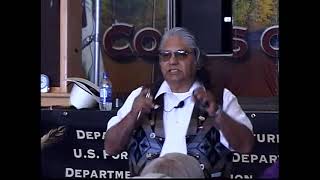
are you ready are you guys ready all right I'd like to welcome you guys to the 10 of many voices once again um this is of course part of the national exhibition for Luc and Clark's by Centennial and you are getting to hang out with the traveling Park service today so we're glad you're here we have a special presenter for you this hour we have Pat Allen and she's going to talk to us about living off the land and understand a lot of personal experience here so please welcome Pat Allen from the grand Rond thank you for having me I'm also a member of the confederated tribes of grand ROM I'm going to speak of Adventures that I've had with my family this is a continuation of uh the uh living off the land from the one I had yesterday I basically talked of the foods that were gathered in the seasons that they were gathered and the preparation of them this is a what I'm going to talk about today is ancestry where I come from and where I was taught from the many mentors that I had that helped me through all of this uh to my age of today which I'm still learning you know and teaching my grandchildren and great grandchildren and I want to thank you for having me as one of your speakers we'll start with the first season that uh we have the ceremony the root Feast which is going to be this uh end of this month and or first we're going to have our own on the April 23rd year in Grand Ron and we're having a blessing ceremony which where we start with the Harvest of all the natural foods of the land and the water the first I'm going to talk about is the roots I've been to Washington shano Oregon primeville Palo Burns and Pendleton area in gathering all these roots and a long time ago I know we weren't able to travel all that distance for them so what happens in the area over here is the cus was the most um used Root over here and what was done with that route was um it was barbecued it was put in the oven in the ground where the fire was below you we heated The Rock rocks and put them in there and they were like barbecued in sacks with leaves and this took approximately 3 days you know period of you know just really making sure that they were processed right the um barbecued and that would preserve them for a winter um supplement but uh Bitter Root The Bitter Root is probably well they're all medicine medicines that we consider sacred to our body and this is the reason why uh their ceremonial used during the during the Spring where right now my grandchildren are out digging The Bitter Root and what this is used for is like the ceremony of U memorials funerals um birthdays Community birthdays you know or um honorary young days that um the people you know if they can afford it can have these in the long houses which I'm known as a long housee cook um and so I've been in there since birth because when I was born I was raised by my grandma who I favored and who I would cry to be with her all the time and she'd be in the long house so I'd be crawling around in there and they' you know they'd allow this because it kind of made you familiarized with what was going on in there I can remember you know walking around there as a child and um they'd be cutting fish and they'd be cleaning deer meat you know and elk meat eels all these different traditional foods which is uh the sacred ceremonial Foods huckleberries um choke cherries um would be the berry type ones that we use so I'm going to talk with the um of where you know you're going to find these you will find the Camas in a marshy area where it's is more moist where around here we have it's plenty full it grows right along down by in all the fields practically around here in the ground round area so we do have a lot of that really plentiful around here and we have what you call a root digging stick it's like you can either a long time ago they used antler really a hard uh wood with a point on it to dig these um Roots well now we have what you might call a steel rod with a point on it with two with the antler or may possibly wood which now they've transferred over to metal and made it one piece and it looks like a tea with a long you know spout on it for the digging uh we we generally take our families out there as soon as they can walk well I last year I took my 2-year-old and one-year-olds out a little boy and twin girls and I I was out there and showing them the root to dig and it was The Bitter Root and so you know I was really digging there and they they all got around there you know W walking around and it's flat ground and uh so I showed them and then I showed them how to start digging these um Roots well the older one was able to you know have the most attention span so he was there for a long time and he did get the the root the first and the twins you know being that they're twins so they're both at it together you know fighting over who's going to get the root first well they never did really get it because they you know was too much of a quab over it so that went on for a little while and I watched them and then pretty soon you know I I just carried off and I start digging the roots you know and then they were following me behind well that went on for oh 15 minutes and I just paid no attention to them cuz they were around me and then they were just playing in the dirt after that but um when you're out on these trips you've got to beware because of the the terrain in area there's lizards and they do have um rattlesnakes so um you know when you root did we had to really be careful of that and keep watch on the children because usually it's the grandmothers who are teaching your young of what's uh of all the things that's there so that's one of the things you know that's handed down to the grandmothers um also you know when I was out there I was in shano and they had what you call horn toads and I didn't know what these were and they're a little they look like a frog but I don't know whether they're a lizard or but they got little little their skin is like little Pokey things on them I don't know whether any of you have seen them but we had to be aware of that um we also well the next season you know would be the um also with the root family the next season that The Bitter Root is usually in April and May in uh June we have what you got you call the wild carrots and uh this comes out and this is in the forest re region in the mountainous areas around the timber usually around the pine or whatever you know you have there so you got there in there a long stemmed plant with um you get the wild carrot and it's really tasty it's probably the best tasting uh root that you can get because the other ones tend to be bitter um when you go when you uh go for this car carrot there's also in the at the around the same time in May that they have the wild celery so and those are a greeny with a flowery yellow tops that grow in and they have a celery Feast at in that time also the celery feast and then you go into the salmon Feast uh the salmon Feast is going to there's going to be one at uh the cilo Falls coming up the 8th to 9th in this month well during during this period of time the the beliefs until in all of these uh different types of roots and all the first Gatherings before you can even consume any of that there must be a feast before you can even taste them that's a belief because of the fact that they're sacred items and we pray that we are plent they are plentiful enough for us all to find and to eat so the the all these roots you go to that ceremony then you can dig it all of these different um uh roots and things and you can eat of them you know you can take them home and during that season the root season spans from April to on until July so you have groups of people who are strictly going for these roots before the salmon you know they're trying to consume and get all these roots because they're C cial purposes that you gather and you preserve them for the year for all these cere different ceremonies and medicines for the elders that you know they're gifted to Elders that um certain people they dig and they gift them you know to keep make sure that they have it's plentiful so when I go out I must get 50 gallons of um roots and my kids my grandchildren are all taught this and they're out there getting these roots they they started yesterday cuz the feast is going to be it's tomorrow and so what they're doing is they're digging for this Feast so that they can be blessed for the the year of the roots and so after that then everybody can go out and dig these roots and get them and but they're picked to do this it's uh you know they it's honorable positions for you to be able to do these things so when the salmon Feast comes along they have a what you have fishermen and my husband is one of them and like we've been together 31 years and I think he's got 25 years as a ceremonial fisherman and he's now he's a diabetic and he's unable to get out there so what he does is he um he makes the Nets the dip nets for this the tree the uh traditional dip nets for this to happen so that this is his role now is cuz since he's a great grandpa he's doing this now and teaching this to the young people and uh like they come to him and ask him if he has any Nets and he'll say you know he'll tell him yes because he supplies himself by the end uh by the end of the year and like he's worked on them and gets enough twine to make maybe maybe about 10 of them you know so that the because there's also um selected treaty fishermen and so the you know it's a cycle that's continually going on you know they get to fish in the uh on uh the treaty sites like shears bridge in the on the dut River I don't know how many of you have gone there but this is in history and and they have pictures of them in magazines well my husband fished there and he and he hasn't fished there for 2 years now but before this in the time I'd say about 15 years ago I was able to fish there and um one one day I went down there and they were sitting around on the Rocks cuz it's on Jagged rocks and uh the people you know the guys were just it was hot there 100° you know and they're waiting for it to cool off the shade to come from the other side over so they can get down there I didn't know that so I says well why aren't you fishing you know and I said well I'm going to get down there and try you know and there was a few other women that have fished with the with the setnet so I thought well I'm going to do this so I got down there and I start dipping with these nets and you know put taking them and going through the water you know going like that and that pole is heavy you know because it's uh done with a a long pole you know and before long you know I hit it was a 12 pounder well you know they tie you down so you're not jerked off of these scaffolds that they built over the water well I thought well okay that wasn't bad you know 12 lounder you know it felt pretty good there you know I was able to I thought it was just luck but you know So I says well I'll stay I asked well do you you know take turns you have to take turns if you want on I guess they were just thought it was you know something you know a woman getting down there fishing so I tried it again and I was probably fish there another half hour you know before I the second one came up and when that second one hit it hit and it almost jerked me off that platform that and it's a lucky thing I had that knet on my brother was up on the shore he jumped off that rock down on that platform to keep me from going in the river so that was the last time that you know I did that but it's it's really scary you know after I thought about it you know because I never thought it you know nothing like that I've never seen it but I've heard of people that were jerked in there you know and that had perished so I thought well that you know that's the end of that that adventure for me at least I have that experience you know and then I can talk about it to my children so you know and I wouldn't recommend anybody to do that again you know but me being I'm a pretty strong headed woman you know so so also so during and we fish and when you start fishing it's the spring com in around May and you're fishing until October so that's a season in itself well okay they fish night there and they what they have what you have call um stinet and they stand off off these platforms and their hoop is W wi as this table big around and tall as me and you you push them down into the water and you just sit there well my husband and them were down there and then they were looking there's different sites and they have a number of sets so so and the you know they says well go ahead you know my husband tells me he said you watch this one he says and we're going to go and check on the rest of them because there's a number of fishermen that are fishing and they have their family you know fishing you know so I says okay so it was about midnight and I had and it gets cold there because of the spray from the water you're so close to the water so I was sitting there and pretty soon I was laying down I thought oh nothing's going to come I'm just going to take a little nap here and about 12:00 you know I was in my sleeping bag there something just hit that pole like that it just shook me you on that on that uh scaffold and I jumped up and I thought what was that and I oh I'm fishy and I jerk up that pole you know you're supposed to hang on to a stick to know a fish is in there and you know I'm just sitting there waiting for them to come back so but they never did come back so I had to pull that fish up you know and that was a 40 lb chook I thought I could never you know I I didn't think I could pull it out but I did you know and so and I didn't really know how to set him in I'd watched him do it and so I thought well okay I'll set it in I didn't think I set it in right and as soon as I set it in again it almost knocked that pull out of me out of my hand when I was Sting it in another 40 pounder came by I thought I'm not setting that net in again I pull that net up and I set it down on the side there because I was afraid I was going to go in I mean you know these experiences I never thought you know you go out there and you think oh it's okay nothing's going to happen but you never know so I I can say that I caught you know the traditional way of fishing and it was hard it's funny now but then it was pretty serious um they also you know at that time they're doing this uh traditional fishing the they can catch steelhead for and what they do is they put them in lockers and put them you know in the freezers and save them for the uh the ceremonies so I had fish that went into ceremony and I was really happy for that um when when you're catching these fish you know this there's a bunch of uh Sports fishermen and then when you get the female fish that comes in and they have eggs in them they're over there they're just hounding you to get these eggs you know for their fishing so you're hoping you know that you could get some eggs because they're very expensive when you buy them and then when we would sell them we'd sell them for SK you know to these fishermen and that was that was my job doing that instead of getting down there on that that scaffold you know cuz that's pretty scary well when we do and when we bring them back and like if we there's this they haven't taken a fur all ceremonial they take the big ones well that then I would start drying these fish I would start cutting and drying them and uh putting them in a Smokehouse after I was you know after as the season wore on you know the ones that you you could take as some for your s you know and so I'd be doing that during all this period And I lived like that for 10 years just strictly ceremonial fisherman you know a wife of um fishermen we also went down to the Columbia River and we're in in the waters down there with the boats and the Gil Nets and but my job I wouldn't get out on the water i' would be just sitting watching the fish after they caught them you know of the net schs and then now from then we went into September oh well it's July and August so in July and August at the same time we were doing the fishing the eels would start to come up well my husband would catch those you know and um we'd cut you know to take some home and what we'd be doing there would be cutting and trying those and teaching also you know when you do all these things you have some when they're teaching you know you take someone with you so that they can be learning usually your children or your niece nephew or you know the ones that were interested in all that you were doing and um you'd bring them along with you you know for the adventures I know one night I'll tell you um my sister-in-law my brother was a fisherman with my husband they were down by the falls and they had some uh boards and uh my brother and my husband were fishing and it's a good thing you know I didn't I I stayed in the car you know cuz I didn't want to get out there but she got out there with him and she was you know put a bedding down over these boards just laying out in the the air there and a skunk came by and was under them you know and it was you know experiences you never met you know like me being in a tent to and the skunk coming in and it touched on a nose with its nose you know you know things like that you never exp think about it you know what's going to happen to you you know it's just a chance I guess but you know there's crazy things that have happened you know and fun things that we've had you know that happen out there that and also the reads that grow out by the river you know uh we gathered some of those that were used for baset trees because they have the reads there but it it's really fun you know teach in a lot of experience then uh we go into the Huckleberry patches after the fishing that happens in August July August also so we're kind of running together there we have to make a choice of you know whe if you want to get in a little of this or that a variety then we're going to go pick huckleberries you know in the mountains which isn't far from the river and so we'd go up to the you know pick in the mountains but when we were kids you know we were we were with our grandmother and we were over into Washington we travel great distances for the huckleberries you know in the seasons you know we try to get the first season of where they were and you know on down to where you'd find the huckleberries well we went up to Washington up to um Mount Adams and we were up there um for we camped for a week well our grandmother was always telling us you know uh stories and and she'd tell us you know taboos you know and she told us well you know uh when we first got up there she told us well you know you don't cast a shadow on a frog and we thought it was funny you know we didn't know you know we thought it was just something don't pick them up you know or stay away from them or don't be playing with them well here when she told us that we didn't think nothing of it but you know I don't know who did it but some one of the kids did that and that night after they had done that those frogs were coming into our tent life shelter I mean they wasn't it wasn't just one or two it was like dozens they were climbing up the side of our camp ready trying to get into where we were that scared us and you know we we were so scared that we went running to our car and do you think that we would sleep on that ground anymore no we're not going to sleep on that ground and our grandma's election and I see what I told you you don't do that you don't play with them you don't you leave them alone you know just stay away from them let them be because there are things and stories that when they tell you these that we we have to you know listen to when you're out doing things like that another thing that they told us is don't eat of them when you're picking because you know you'll get sick if you really realize it because there's you know they have a lot of um acid in them so and then they take candy for us but you know our adventures that we did have out there was really great and I missed my grandmother because she was a really a woman who was uh that we learned from you know that it we're carrying it on and I'm comparing it to some of the stories that was told in history documentation in the early 1800s of one of our grandmothers and grandfathers that they compare so closely with the way that she had taught us of um the gther Gatherings and events ceremonies the animals that lived out there that you can eat of and uh and that you shouldn't bother I know cuz we were um also another adventure when we were up there at Mount Hood was uh when we were we were on a Hillside and we didn't know and my grandma says well you guys stay together you know we don't want you to get lost well we would you know we'd be playing around laying under a bush trying to hide so she wouldn't catch us not pick him well here here we heard a noise you know it was like scratching or you know it must have heard us screaming around or something but here pretty soon here come a a noise and it was this barar it came rolling down that hill and you know so close to us but yet you know of the danger that we weren't you know we weren't uh thinking about because you know when you're children you know and you're in the teachings you know the lessons that we learned you know are usually brought on by ourself you know because of the the nose that she tells you to want be aware of you know Badgers you know so we you know we've learned a lot through the times and I'm still learning my grandchildren are learning of events it's really cute you know to be one of the teachers now like my grandmother to be able to take a lot of children and to teach them and to be uh you know just like take them under your ring like a like you would you know uh your own children but they're not your children but to be able to do that with a lot of other children you know and to show them and to be appreciative of them because they are you know all they want to do is help that's what I find out with kids really all they want to do is help and that's uh or we call it Mischief today but you know it's they want to help you they're right there you know ready to learn and if we find the time and the space for them it you know it's really great and I'm thankful you know uh for the way of the teacher in that I'm able to come back and help our tribe which when we were terminated in 54 to carry that knowledge on to help our our kids today and I know that um everything is the way it's supposed to be and that the teachers were preserved you know for the times that were weren't there for them and I want to thank you for joining me today and to listen to some of my stories that I had that were really I thought at the time that that you know I was knew everything but you know you never do you never know everything thank you yeah hold on you might not have the power yeah sorry over here okay well here let's if you speak in we can all hear it I was wondering about the fish drying where they dried whole or chunks or pieces or filleted they were filleted and then you yeah we were learn how to filet them another question I got a question about the canas uh now do you only did the the blue blue Camas the the blue right now the white are are poisonous yes okay now how do you know of um unless they are in bloom you would have to know wouldn't you what is done when you're in a in a harvesting area they go and they cut all the white ones down okay so you're only harvesting the blue okay but yeah but what I mean was um you would you would only Harvest them when they were blooming then yes okay fine we used to have out in our field and I know that we always took out the white canas oh yes what you do with those is you go through and like if you're ready to harvest them you send someone through like the day before and to cut all the white ones so you're not going to touch none of that and then you're just going to go for the blue ones dry those or boil them what we did was we barbecued them oh that's the ones you were talking about put yes that's how you and then you could you're able to put them in jars and store them did they did they were they dried when you got through they're like us the candy they remind me of a candy they turn brownish and and you put them in jars and you preserve them seal them now would um uh would they last all winter then oh yes yes they can last for a probably two three years now would that be The Bitter Root no that Bitter Root is Right The Bitter Root is it looks like it's got a bunch of legs on it and it you could just uh dry it by the sun oh is that what is that what I call Queen an's lace no Queen ANS lace is something that is used for a medicine right okay yeah and that's the tops yeah right okay yeah yeah we know medicines I mean we're taught that too but this is we're talking about the food thank you any more questions for Pat okay well are you going to hang around a little bit yeah I'll hang around a little bit all right so if you you know want to come talk with her personally that'll be great thank