Tent of Many Voices: 07260403T
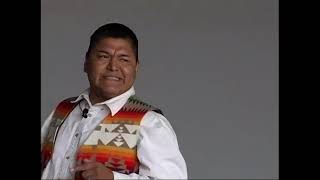
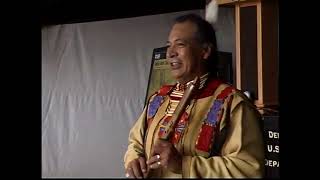
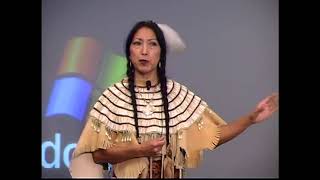
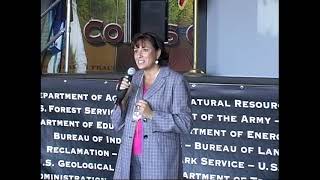
now our main performance and Stage 10 is a t of many voices that you were in now and the T of many voices provides a venue for people of all sorts of different backgrounds to come and share their stories and also how they perceive Lewis and Clark or maybe how Lewis and Clark have affected them through history um is my privilege today to introduce you to our next speakers we've had a little bit of a change in the program today so it's going to change just a little bit our next program will be on Omaha culture and I have three speakers for you now um Mr Pierre Merck Mr Dwight how and Mr Ralph Preston so please make them welcome today to the ten many voices good afternoon my name is Dwight how I'm in Omaha and Panka Indian from Ponka City Oklahoma I currently live in wab South Dakota among the s wton Sue tribe Lake Travers Sue reservation near the Minnesota and North Dakota border it's uh still Springtime up there it's a but um I'm here today to talk about Native Americans values who we are who we were who we are today share a little bit uh give the time over to Elder and to my brother Pier Merrick we're from the Omaha tribe and we we'd like to share that and and and talk about that a little bit and uh my nephew and niece are going to be coming up and you'll get to see them as well we are uh we are a people that are still here we don't live in tpes anymore we don't hunt Buffalo um we're contemporary Indians we have jobs our children's go to school like everyone else Elementary School grade school junior high high school College on and on um but we do have something that is unique to ourselves is our cultural history and our ties to the Past who we are where we come from it's very important to us as Indian people I was raised by my grandmother she was uh 62 years old when she started raising me and I was 10 months old and so my earliest recollection in my life was around Elders older older Indian women older Indian men uh I listen to them talk today I can understand the language I can't speak it I can't Converse it but if someone prays or someone talks I can pick the words up here and there and I can get an understanding of who what they're saying and what they're talking about but growing up around an elder was always kind of fun though uh when I was a kid I realized I I used to think it was kind of boring because of the way she she did things but I see it now I was really quite fortunate to be a young man raised by a full-blooded punka Indian woman a daughter of a chief she would always introduce me every I went everywhere she went she had a long dress and I'd always just hang on to that dress wherever she went that's where I went in fact there was this one man he was trying to help her this is a relationship we have in our communities he told me uh when I got a little bit older I got a little bit more I didn't want to sit still and I'd run around a little bit my grandmother was getting a little bit too old to grab hold of me and make me behave and sometimes I'd just barely get away from her you know and get out of her reach and she liked to play bingo so we'd go to the bingo hall and I'd be running around and I remember one time I even got up there and was standing right next to that man that was calling the numbers because my grandma needed B4 so I was like really watching and I imagine I know I was probably a nuisance he was probably one the that musod guy who was probably saying go sit down you know and but I was really standing right there wanting to looking for B4 and so Grandma could bingo but I ran around like that and uh one time this gentleman older Indian man he was an old man his name was Joe uh um no no that's I was going to say Joe Harry but his name was Harry last name was first name was Harry Buffalo Head was his name Harry Buffalo head and uh he was a world he was a renowned singer an Indian man he liked to play Bingo too he's always there and he's kind of a old man and he had a something he had something wrong with with him he had had a large chest I guess he had rickets as a kid something and it kind of deformed him a little bit but as a kid I was kind of scared of him and he said come here and I went over look at him he says if you don't sit still I'm going to cut your ear off and with that little pocket knife and I saw that pocket knife and man that was it every time I went to Bingo or somewhere with Grandma I'd look for that old mean man if he went there I'd play around but if he was there he'd point at me boy I'd grab Grandma's dress I'd pull it around me and look at him I scared to him and uh years later when I uh came back from Marine Corps boot camp I was uh well I was actually still 17 I went to a to a funeral and there was uh Harry Buffalo head and uh by that time he'd gotten a lot smaller or i' had gotten bigger but uh I said sir I said do you know me and he says no I don't I said my name is Dwight how I said my grandmother is Maddie Hedman how she raised me and he started laughing goes yeah I know you and I said you know I said uh been scared of you all my life I said I'm kind of halfway scared of you right now and he laughed and he said you know your Grandma loved you she thought the world of you and uh I I was just trying to help her you know make you behave because you were a handful and I I appreciate that and I thank you and and we ended up having a long relationship a long friendship he'd introduce me as his friend I'd go to his house and visit with him and he used to sit and do bead work and sing he was a real no real real well-known singer uh of Indian songs a head singer pkaa for years he had been singing since he was 12 years old his grandpa taught him and he knew the songs and he knew the stories behind the songs and he knew who wrote the song and he knew what that song was about and he would share with me some of those things he talked about my grandfather's song my great-grandfather gun he told me he says what that song meant he sang it to me and said this is what they sang this for but anyway that's the kind of relationships we have in our community it's extended we try to teach one another now today it's the same example we try to do things with our nephews our nieces our grandchildren our our sons our daughters and hopefully we try to do it by example we want to show them be a living teacher of a compassion of Love of of generosity of kindness we we talk about those things we were raised that way my grandmother would also talk about I'll tell you another story here my grandmother talked about uh uh the uh Thea Clan Chief's clan in order to be a member of that it said you have to be able to count to 100 and I don't mean we du or one two three or four I meant you had to come before that Society let's say you were that that society and I came before you and I wanted to join you and be a member of this Society I'd have to bring with me 100 Willow sticks and I'd have to lay them down each time I laid one down I'd have to recount a good deed or something that I did for the people something worthy something helpful let's say there was a an elder woman a widow who lost her husband all winter I provided meat for her I could count that as one let's say I taught my nephew how to hunt or how to make a bow I could count that as one 100 times can you imagine today if you were that society and all of you each and every one of you did 100 good things for each other right here 100 times each of you did that for each other that's the way our people live before the time of Columbus we practiced being good to each other being helpful being kind that's what we tried to share in our presentations uh it's not always about the Savage Indian attacking the Wagon train or or uh or or stealing the horses or or or or or at War battling it was it was being being kind being good to one another being a good human being and we practice that all the time one of the things I talk about is our humor we have a sense of humor my grandmother rais always had could laugh at things she used to always introduce me as I said I went everywhere with her and they'd say hey B who is that ninga who's that little boy and it should' say that's my grandson that's my youngest boy's boy that's 's boy his mother's not feeling well she can't raise him I'm raising him he light and they'd Pat me on the head and they' go and we'd go somewhere else and some other people see me they talk punka saying who is that boy and she'd say it again that's my youngest boy's boy I'm raising him she was 62 when I was 10 months old so she raised me since I was a baby so I grew up hearing hearing that every time they talk about me they said ch ch so I figured well that must be my Indian name cuz they're asking me who I am then they say light so I went long in life early life thinking that so when I got to first grade I stood up and I'm proud of who I am I'm a Omaha and PKA Indian I'm a I'm a descendant of a chief now all these little white kids are in there and the teacher I'm Indian boy standing there first grade I said I have an Indian name too and the teacher said my what is it I said my name is light CH and so School ended and I went home and I went to Grandma and I said Grandma look I said we had to take a nap and we ate cookies and we played and they I made this and uh we had a lot of school is fun I really liked it grandma and she said that's good that's good I said I told her my Indian name too and she looked at me she said hey you don't have Indian name what' you say and I said I told them my name was Li CH she said you're not pitiful you quit saying that I thought that was I thought for all that time I thought that was my name pitiful mom's not raising him Grandma's got to raise him poor thing but that's what I thought that was my but I've long since Quin saying that that's not my didn't name I wanted to uh I want to turn this over we've got a short time of three presenters but I wanted to be brief about uh my part in this my brother pier and I we come from the L flesh family I'm in Omaha and PKA my mother's Omaha I'm enrolled under Carrie Le flesh his father uh grandfather Joseph La flesh was a chief among the the omahas and I'm always I've been very proud of of my ancestry and I'm glad to share with you today what little time I had with you here at this time uh our my ancestry and who a little bit about my my people but I want to leave with you that that one thought that we are compassionate people a humorous people but we are a spiritual people as well my grandmother would pray every day in the morning I'd hear her pray and I'd said Grandma I said you sure pray a lot and she said a Dana no I don't not compared to them old ones the old people for them every breath was a prayer this was the time before Columbus you know that she was referring to they knew then that there was a creator that made everything that made all of us that we're all related so I'll leave you with that and I turn it over to my brother Pier Mary oh Oho my name is Pierre Merrick my inter name my Omaha name is s and the meaning of that is um translated to English is uh the Shaggy part of a buffalo's ankle that's what I like to say back home they they uh other omahas would say it makes brown ankles so uh but I come from the inab by people amongst the Omaha it's the black shoulder Buffalo people we have several Clans within our tribe we have uh a we call the the holiga the Sacred Circle we have a Clans that in relation to the sky and also Clans in relation to the earth I wanted to speak about um Us Omaha people this city was named after the Omaha people when the European people came here the people that lived in this area the people that I find hard to say owned this area we didn't say that we had hunting territories we had established clear to sufal South Dakota across Nebraska Western Iowa Northern Kansas was known as Omaha hunting territory today we live up here 8 miles north of this city the Omaha Indian Reservation we have uh 31,000 acres of land our original reservation was uh designated a lot more than that in 1887 the allotment act affected us all across America the Indian people all Indian nations what happened was I guess it a uh easy uh a way to say it is they allotted every man woman and child on the reservation 80 acres within our boundaries that was designated there was thousands of Acres there wasn't enough or there was wasn't enough omahas to cover 80 acres to take all that land that was designated to us so instead of they could have said well give them more than 80 acres to make sure all this land belongs belongs to them but instead they said well whatever uh is left over we're going to call it Surplus land and that land is open for sale to anybody so today that gives us a checkered board effect on our reservation where it becomes jurisdictional issues too so people were able to come and buy land within our reservation that's how we exist today and we exist we coexist as best we can um we part of our our uh presentation is healing it's what we like to talk about healing we don't this is history today let's look forward for our children for the ones that are unborn let's knock down these barriers let's do the right thing for our kids let's live together on Mother Earth I want to show some pictures here these pictures are pictures of um my daughter her name is Emmy she recently this year graduated from uh High School in souu City Nebraska uh she's um 18 years old can't drive a car I think that's good but she's their average person and what we hope to show by these pictures is that we on the on the reservation like my brother said the same Creator made us all we're the same Emmy enjoys music movies likes to go to the mall uh she has other things that she does we try to keep her in touch with her traditional way she's a dancer her mother decided when she was in a second grade that it was best for Emmy to go to school at the school that was uh north of us souths City Nebraska where uh that school there was no indents or a handful she was able to learn sitting side by side with children that were of other races of other skin color and children don't know that children don't recognize that they're innocent she was able to compete to learn to uh play to make friends and um in hopes her mother had was so that she would be able to be a a positive person in the community when she became an adult Emy also attends a summer school program in um Grand Forks North Dakota since she was in a seventh grade this program uh was called Indians in medicine and it was uh offered to children who may be looking at going in the field of Medicine medicine when they uh graduate or uh from college and things like that uh Emmy wants to go on in higher education and become a doctor her mother my wife her name is Kim uh Kim is a um a commission core officer in the military she's a lieutenant commander she works for the Winnebago Indian Hospital in Winnebago Nebraska that's where we live so Em wants to be a doctor and wants to follow their the footsteps of that and uh I also have a son his name is Marlin who this year was Em's last year at the inmed program cuz she's a senior and it was em Marlin's my son Marlin's first year he's in the ninth grade so now Marlin's GNA hopefully be involved with inmed until he graduates from high school we push our kids to higher education try to make every opportunity available to them to encourage them that they need to move in that direction so uh we give them all that and uh we try to keep them in touch with their with their other identity as being a native and um so we tried to uh keep her involved in the around home and the PO and try to take her to the dances that uh our in our tribe is involved with the Winne bagel tribe and the Omaha tribe her mothers winnebagel and Spokan so that's what we do with Emmy and Marlin try to give them that opportunity and encouragement positive and this is this awareness isn't just with my family this awareness is to today Across America and Indian Country Indian parents have now the the we're trying to Pish our children in that direction we realize that we have to move that way with our children for them for their sake for The Unborn ones they have to be pushed in that direction there's also pictures here of Emmy and uh her traditional dress uh she was um honored by the winnebagel veterans association to be the 2003 paa princess during that year and um to do that she had to you know they we encourage our children to be drug and alcohol free to be upstanding in the community in the school so Emmy was she's fulfilled that commitment she did it very well very proud of her and um you see some of these pictures a lot of these things she wears her mother give to her things are handed down then also she has a fan that she dances with I gave that to her when she was a little little girl it's a a winter Hawk fan and we don't um these these things like this we don't put a money value on them things you know these are very sacred things and we try to be traditional so with this fan uh I traded a real good German Shepherd for that fan but the other things she has uh they were handed down or uh either made by her mother this is Emy and her Taekwondo outfit she uh also participates in that Taekwondo her and my son uh my son Marlin is a black Bel and she's uh in here she's a red Bel but recently she's uh became a brown Bel her next step is a black Bell um this is this is a type of sport that demands uh a lot of uh discipline and Emmy uh we travel with her or her mother does mostly and her auntie over the years take her to this practice her and Marlin every three times a week and sometimes Saturday morning they get up and they go and uh Emmy competed with uh uh in several events where it's full contact and we kind of recognized that she was running into the same girl to fight with every time because there's not too many 18y olds that will stay with this kind of discipline uh so uh a lot of 18y olds would rather be out riding around or out at the mall or doing whatever but Emmy was very very um adamant about uh being involved with Taekwondo this is this is what she does and this is to show the parents the children uh the elders uh that we we the Omaha that live just north of here you know we we're very much the same as anybody else we have the same ideas we want good things for our children and our grandchildren we want we have the same desires for our children to be to be uh positive and to be able to earn a good living in their life uh I'd like to take a moment here to introduce my family uh if they'd come up here come up here this is my son Marlin Marlin is a grass dancer um he's been dancing ever since he probably could walk same with Emmy and uh this is Emmy and we're very proud of her this is Kim I wanted to I wanted to show this and to let people know that you know we're we're uh living in a time where we're H we're having a hard time we're struggling with uh our language we're struggling with many things but our what something that's really priority prioritized in our life is our identity as who we are so um I would like to thank my family this is Kim my wife and um I'd like to thank them for because generally they don't come with me and we're close to home and I've been traveling with the uh core and it's a real honor for me to have them here um they were just dancing last last night at their pa in Wago and uh I'm very very proud of them so um I wanted to to do that today and it's very honor for me to be able to do that with you thank you I'd also like to take uh some time here to introduce uh one of our uh tribal elders um his name is Rocky Preston and he lives here in Omaha well he lives back home he did live in Omaha but he moved back home up in on the reservation but he's one of our our spiritual leaders and I'd like to introduce you to him I don't get up as quick as I used to years ago I'm kind of a little slow but um I like to welcome everybody your your kind attention and I I appreciate your your attendance uh trying to gain an understanding about my uh my people and nation and I really I really appreciate the young people there the young lady and her brother it's encouraging us to us Elders to us older ones to to see this carried on very important to us but I'd like to my name is Ralph Preston I'm a member of the Omaha nation and I'd like to talk uh a little about uh what is a Native American or Indian what is the definition of a Native American I say Native American I realize that a lot of um lot of our Italian people polish and Irish born in this country U their grandparents were born here and they're in fact Native Americans as well okay uh I grew up here in Omaha went to the public schools and at that time was pretty much referred to as Indians uh in this in the city and a lot of times that that term was used in a kind of a disrespectful way uh today I realize that a lot of as people are we uh Native American is is more acceptable what I want to kind of leave with you a thought about what is a Native American and I use an example about if you went to a country over overseas where there's no Native Americans um they're not familiar with our culture they only rely on the movies and TV and magazines and if he was to ask them uh to describe a Native American what is a Native American they' probably say a dark complected person with high cheekbones uh black hair braids and maybe a feather blanket as pretty much a description of a Native American they would have we've got uh we've got a lot of different tribes with different physical characteristics what what they described would pretty much be for a PLS Indian although we've got uh different tribes different nations with different part of the country the pblos and abajos Eskimos they a little different and not a lot of the tribal people would wear feathers so I want to share with you that there's uh there's some differences when we talk about Native Americans not only with the dialect tribal names tribal customs but today in modern times we also have what we call traditional Indian people traditional Native Americans as opposed to non-traditional kind of explain a little bit about what a traditional is is he a person he or she who knows the language the clan Customs the spiritual teachings Native American spiritual teachings and even the the old Native American form of worship which was before Christianity um and has a uh the tribal name that's pretty much a a traditional Native American person who knows those old ways and practic them believes them believes in them Embraces them in their everyday life as much as possible in modern day Society then we have Native Americans who who feel that those ways those old ways are in the past they're of no use to to us today we have to be assimilated into uh modern day Society to get along as best we can and this is what we need they they don't see a need for the language they don't have Indian names uh they don't know the songs and pretty much pretty much assimilated so there when you talk about a Native American there's those are those differences uh mainly traditional and nontraditional there's also some Native Americans who will try to uh Embrace both cultures as much as possible uh which is not easy so I I wanted to kind of leave that thought with you about the definition of a Native American it's hard to Define um because of the uh different tribes I about 25 years ago I wanted I wanted um to understand more about how my people worshiped before uh Christianity I realized we had some form of worship we had an altar I realized that but I wanted to know what it was if the Creator put something down here sacred Altar for us to have and I I wanted to know what that was and I wanted to practice that and I I was baptized in the Lutheran Church my folks are members of the Native American church I grew up with that I didn't always practice those teachings but I respected them but I wanted to know what we had a long time ago and I and I felt the Creator gave us something sacred here I wanted to know what that was I wanted to understand it and I wanted to practice it and about 25 26 years ago I met a young man ogalala Lota from South Dakota and he came to Omaha and I met him here and he happen to be a what they normally call a medicine man but in the true sense those people are just merely interpreters they interpret our spiritual teachings to us and they help with healing ceremonies and I met him and I came to uh understand about what that old way was that old Altar and I went to my first ceremony with him here in Omaha the sweat lcks inpi went there to worship it was all new to me but I was it just captured me right then and since then I've been a part of that that old way of worship and and I understand about Christianity native americ I have the utmost respect for it there are some differences but I that's the that's the way of worship that I follow today and there's a prayer with that which is in in English it's it's uh All My Relations uh the L would say the OM people would say which means All My Relations that's a prayer that's how we start our ceremonies and that's how we end our ceremonies with that prayer All My Relations which means not only our nation of people but all the other nations the nations from Europe as well were all related and not only those with two-legged people with two-legged Nation the humans but the four-legged as well the animals the Buffalo the deer they're the four-legged Nation then also the nation with wings we include them as our relatives and the nation that stands rooted to Mother Earth the trees the plants plants that give us medicine those are relations so I look out here and I I see people who some of you could be part native American you could have some Native American ancestry in the past maybe quite a few of you I have a a granddaughter who is enrolled at the uh Sanu tribe she has blonde hair and blue eyes and you know by looking at a person's features it's hard toh tell if they're Native American not sometimes so we're not always not all of us Native Americans are dark complected with braids and dark hair and high cheekbones there are some differences so I wanted to share that with you that thought with you that about the definition of a Native American and getting back to um to my uh uh form of worship the teachings uh we regard you as our relatives we're all related and you're included in our prayers and I'd like to um share that with you in our closing and I want to thank you for for being here your kind attention and I appreciate the little ones being here they're very important they might not realize exactly what we're saying in but it will come to them as they as they grow older and what I really appreciate with our teachings with the with our altar our ceremonies are important the Sundance the fasting in the isolated area for four days and nights our yipi ceremonies they're important but to me what is most important is the is the teachings that we have the spiritual teachings to me that is the the the soul of our Altar and I I like to share with you that part of the teaching that the most important thing the most important prayer is good health that's the most that's the number one that's the most important prayer for good health for all our relations including that water good health of the mind and the body that's the first one there's four of them the second one is understanding it's so important to get understanding and that's what we're trying to create here a little understanding between us very important makes a big difference and that's our second important prayer the third is help we might the help that we might need in our everyday lives and the last prayer is happiness that's so important so valuable that uh even a a moment of Happiness so these things I I I appreciate being able to share with you to kind of promote that little understanding uh I wish we had an opportunity to to hear from you your background your understanding and your beliefs that it would make a big difference to to all of us but uh this has been a good day for me and I want to thank my relatives all of you so today I want to I want to thank you and I want to uh ask my two relatives to to join me in a song to you as a way of thanking you and it's also a song for you it's uh uh it's from the lot people it's commonly called the four directions there's words to it to our grandfather Creator and our spiritual beliefs so you can I ask you they help me sing the four directions to our to our relatives here he to hey take hey take All My Relations thank you we wanted to we want to end this with uh a brief question and answer time but prior to that kind of just sum that up there are over 511 ferally recognized tribes in the United States with over 300 different dialects so we are a diverse group of people ever changing and evolving the last census said uh even though there's over 2.5 million Indians uh in the United States over half are 30 and below so we're a young cultur changing and evolving and when we see uh my niece and nephew wearing their traditional clothes that warms my heart because it it ensures that another generation is carrying that on so maybe by the time when I'm dead and gone and their Elders they will teach that to their children and their children's children that's in our prayers that we talk about can we uh have we have time for some questions please feel free to raise your hand uh Charles there Ranger Charles will bring the microphone around anything that you might have any questions there's one right here what what it was a prayer to all the directions and for the people just what he had said about the different directions and the people it was a prayer any other there's a little boy right there what is K me is it health for health yeah for health he for health that was like a prayer was in there we kept saying it over and over and that's what the the prayer was what he talked about understanding and health that's a good question yeah any others you know we're we're really glad well we got one more okay get this one first I was raised up to Boon County Nebraska where Logan Fontanel was killed by the Sue and my parents you know would tell me about you know the history of the the things that happened in that part of the county in the country so that's probably the most I have you know with it your culture huh thank you for sharing that Logan Fel J the grandson was just here big tall Indian guy go ahead yeah yes did you just mention a moment ago that you had Federal government's recognition of being a tribe excuse me did you just mention that the federal government you had the recognition in being a tribe right did I just mention that there are F over 51 federally recognized tribes well my question is is why do you need the federal government's recognition to be a tribe it was it was it's about the resources and the land and having control over that they needed to before we we didn't have any boundaries Mexico Canada it wasn't no such things Nebraska Arizona States they needed to do that to gain control over the land and the resources that's why we're I think we're in a department of interior with minerals uh land and and Parks uh the Bureau of Indian Affairs because there's no one other no other race in United States that has that relationship with the United States government and it was basically to gain jurisdiction over us and to give us as a label that's my personal opinion any other well on behalf of my relatives here Rocky Preston and my brother Pier Merck I I say thank you so much for your time he W once again I'd like to thank these gentlemen for taking time out to come and speak to us today um at 4:00 Mr Ron Thurber it will be on the Mormon Trail