Tent of Many Voices: 08030604
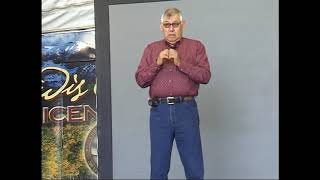
to the ten and many voices how is everyone doing today good I'm glad to hear you're in good spirits it's great to be here in my city let me introduce our next speaker we have Dakota good house who is a national park ranger from Knife River Indian village which is in Stanton North Dakota if you have not yet been there I do encourage you folks to take a trip over there out of the state to North Dakota that is allegedly where lisis and Clark met sagaa along their Journey she came from an Indian village around the area we'll ask dcoa to uh go into depth about that a little bit more but for right now he's going to be talking about the universal language on the planes and let's give him a nice warm welcome here in the the town of my city give them a round of applause and with saying that we'll turn it over to Dakota thank you all right well first thing I'd like to say is uh is in the hza language I thank you and I greet you is uh I work at the enemy Village so I should know their language also at Knife River there are the mandans and they would greet you like as a as a man would greet people I would Sayes so I thank you you've made me feel good it's warm day today and I'm glad you folks have come out anyways uh my presentation is about universal language and we have three of them earlier today some of you might have seen uh sign language right has anyone seen that today yeah some nodding heads some heads rattling out there right all right well um I'll be doing a little bit of that but the other two languages are art and this is one form of our universal language um and it's a man's language so when you talk about uh art amongst our Plains Indian people we have two of them just like many of us also have two dialects in our languages men speak a way and women speak another right yeah it seems odd and you can always tell when a man has been taught by his grandma or by his mom when he speaks Lota or any of our languages back home cuz you can tell he's been raised by a woman and you can tell if a girls talks like a man so if anyone watches Dances with Wolves go back check it out he actually talks like a woman yeah anyways uh it was interesting you can understand him though if you speak Lota anyways so this is a man's language this is intended to be it's just practical it's intended to be looked at it's intended to be read easily um a few examples up here that I know all of you could relate to and just know what it is is this one right here right basketall well this type of painting is called a winter count in my language we call that w w we're keeping a track of the winters counting them off so anyways each one of these pictures represents a year one significant event took place a couple years back what do you suppose this standing there we go this guy knows he yeah Standing Rock Warriors took State title back in North Dakota yeah um we have a couple other things even a year before that there was a uh a large we called it a large star passed across the northern part of the sky if anyone saw that a couple years back that would would be hail Bop that Comet anyone see that yeah see it uh these events are are known uh through Indian Country it pleases me that when uh another Nation can look up here and see and recognize these too like uh like uh my my Mii my Mandan Elder my Mandan Uncle he looked up here and he was looking at this and he said oh I know what these are and he was going off oh that was that year L LA Joe died that down down in Standing Rock that's a year couple years back when for the first time in about 150 years all of the bands of Lakota got together and met for the first time at Washington DC all of our bands and all of our all of our tribes were represented there uh what else do we got here he recognized this one 1988 the Eiffel Tower you might be wondering what's that up there well Eiffel Tower is up there because um that year the French acknowledged American Indians efforts during World War II so we fought that war to in fact they they recognize some of our native code talkers and you've heard of The Da the Navajo code talkers they really get a lot of press they really they should be getting a lot of credit right yeah but uh a little known story is that during World War I there were Lota code talkers too and we have here some uh Lota involvement during World War I in fact back where I'm from the first North Theoden to die was from my reservation and and there was uh six languages used as as a weapon during World War I lot beanan and there were at least 13 languages used during World War II Lota again being it so anyways it's really neat um some of my my my relatives and other tribes can look at this especially back home so you folks out here even if we had other nations represented they might not get some of these but this one here is pretty big news what's that it looks like a foot exactly L it's conven just as it should be intended it's big it's Bigfoot actually cuz that was that year back in uh 1974 or 1976 we saw Bigfoot on Standing Rock has anyone seen Bigfoot only one other person besides me here I likeed yeah in fact this made such big news that NBC CBS ABC all these major news networks they came to Standing Rock to look for bigfoot now here's what happened cuz I I like to say that Bigfoot talks L yeah he speaks he speaks l so anyways um there's some people were washing dishes after the day and this woman was just talking to her husband right I'm trying to find out which family this was anyways The Story Goes she was talking taking care of those dishes you know you know I my hands are kind of can't I can can someone help me with my hands and you know she's doing dishes right she's asking for some help asking for a hand anyways all and then she hears hears someone talk back to her and she says Mees you know like I just said that you know cuz she heard back to her being talked back to her someone asking her the same thing daku NAU will you know can you give me a hand or where's your hands or something like this anyway so she said you know nich okay you know I just said this again anyway she turns around she looks up from she's doing the dishes there and uh here's this big figure looking in at her and that figure was talking Lota back at her so anyways I Bigfoot if you hear him say how how how like she hey there're my friend my relative because he he like to say he talks lot anyways that's just something for you we keep track of things here that uh some of them of a very serious nature some of them very humorous nature too like Bigfoot uh want to jump around here real quick and then I want to get to the meat of my program um this one too this is the year before George kuster got it right we're not so far from that anyways um some of my people served as Scouts under him too so we you know uh it's funny thing funny thing that year that's another presentation in itself but he had Lota Scouts who uh left from Fort Lincoln with him to to go fight anyways the year before that happened we say that was a year we had a good time if anyone can I know this is this is big but you can't might you might not be able to see all the images back there but this is a uh it's a whiskey barrel yeah that's the year we had a good time now this uh I throw this in here because even when I'm showing this to my my native relatives I want them to look at it and say Hey you know there's this is a year we actually practiced some uh some self-control we made that barrel of whiskey last the entire winter yeah see it kind of breaks that stereotype back 100 150 years ago that uh you know a drunk Indian no many of us practiced self-control so anyway that's the year we had a good time there's nothing to be ashamed of I tell my native people that we had good times back then today we just call them kigers no hey yeah anyways uh this winter count it goes back to um about 9001 I have some um events up here that go back that far some of them are of a mythological nature um my ancestors winter count started with a long time ago a spirit woman came to us and we say in Lota long time ago winteral AI this White Buffalo Calf Woman came to us that's when she brought a covenant to us with a higher power so if we want a date for that you go to another winter count I actually brought it with me today too the first time I remembered to bring it ever since I worked at these guys but it's found in this book picture writing of the American Indian that event that I pointed out up there in this book you can look it up it took place at 9001 a so it's a Baptista good winter count so we have history that goes back real long ways but unfortunately many of some of many of some of our native people we just you know even my own my own colleagues my some of my own people my age it's very sad some of us never heard of winter counts and here that's our own history you know anyways but we're recovering it and I think you know not too soon or not too late either anyways uh so that's one one language it's a language it's uh it's uh practical it's meant to be read and interpreted as such another way and unfortunately I don't have it with me but I'm sure you've seen them they're called par fleshes has anyone seen them or heard of them a par flesh is like a folded in painted Rawhide box yeah you seen them all right and you just put whatever you want inside there whatever is most cherished uh or whatever you value the most you stick them in this box right anyways um if you look at those par fleshes I like to say that's the perfect example of how women think you know because even our in our native culture we have the two dialects but you really see how they think and we put that down on those par fleshes you know I see they're symmetrical for one they're balanced they're they're uh and I think well uh you really have to look at them to interpret what the use might be for if the if the shape might indicate uh what it's used for or what tribe it belongs ons to or who it belongs to and and what they use it for you can get a lot out of a par flesh and uh I think well that's that's uh that's kind of how women talk right men really have to sit and really think of what did she say yeah that's what those parlers are like too so no no bashing here it's just a it's just a really really is a part of our culture anyways the other universal language is called singing or a song Everybody sings right yeah and and you have vocables too even in English we have these things called vocables uh one of the most ones I I hear a lot is during Christmas when when you hear fall la la right goes with one of those Christmas songs yeah see we have we have songs too that have just things in them doesn't have to be a word right so the funny thing that cracks me up is when our non native relatives come to our pow and they think we're we're just singing hey yaah hey yaah right oh well they come and sing with us yeah it could be just that too but it's a vocable anyways that third language you can tell by the Cadence of a song or how it's sung CU we all have flag songs and when a native hears a flag song at a Pawa where there's inner tribals hundreds of other tribes there they all know they all get up they all get up they all stand and they know a memorial song too you know it's just slower they're singing the honors if you know that person's name oh you know you take your hat off and you pay them some respect so anyways the song I want to share with you is another type of song and this would be known by other tribes other tribes women those Mandan hsas even a crow out this way and Cheyenne too they would hear these songs and they would know oh boy I know who is singing it oh that Sue boy is singing it he must want a wife yeah this one takes place along the Missouri River and uh you folks like that River I I really find it a beautiful River but one time before we cross the river and this contradicts what my own makota people say cuz we say we've always been here but you ask these other tribes out here they'll tell you that we forced them and pushed them and fought them just to say we could we were always here but anyways we didn't even even cross this River here this Missouri and that would be along South Dakota side until maybe 1740 so we're not always here but this song takes place when one of our young men crossed the Missouri River right and he went to go gather some some Furs some meat he went to gather some gifts CU he was going to present them to a girl he really liked a young woman and uh he was courting her a long time ago a man did not buy a wife he assembled all of these gifts so that when he went to her parents if they approved they see they look at all these gifts and they they know this is a good man because he's going to take care of our daughter he's not buying a wife he's he he he's showing it's it's providing proof that he's going to get her food he's going to take care of her so if they approve of that and they look at their daughter too they arrange marriages they might even let him let him marry her daughter you know without her consenting but often times too we'd have consenting marriages so this song involves a young man doing just that Gathering materials crossing the river in a springtime no less and we warned him no don't go across that River firstly toas live over there the enemies the strangers and uh still went across the river and here the Ice broke up and a long time ago we believ there's a dragon that lived in the water in the springtime that Dragon came to life came through and broke that ice so we believe that man was over there across the river and Missouri river is dangerous now some of you might have heard of of accidents people have in a river even today back then it was was dangerous unpredictable no dams back then anyway so we did not want him to swimming back so we hollered across you know just stay over there wait for a time when you can come back so he still goes out there and he's still doing his Gathering his his uh Gathering gifts anyways he comes to the River's Edge one day and he starts singing iic day tonic so and all of the blue he hears someone singing back to him and here it's that girl across the river she's singing back to him so this universal language she couldn't hear the word being so far away but she made it out one day the wind carried the words and here I'll tell you in English it was uh she sang back to him is what it was as a words uh no matter how far you travel no matter how far you travel over this Earth You may go about no matter how far I will wait for you my mother approves right that's really important some of you guys out there right yeah must really like your in-laws they really quiet no right I'll stop so anyways we have that third universal language that song so I'm not saying we can all understand each other but we hear some songs and we we can know them by by their Cadence or by or or just by OB observing if that person stands or or if that man is singing Because I've seen it happen where a guy was singing serenading a woman you know it does it still happens anyways um the rest of my presentation I wanted to share something else with you folks and that was the horse um when did the horse come back to North America anyone have a guess out there oh by the Spanish right right yeah about 1520 the horse came back yeah why do I say came back reintroduced as a horse used to be here and we could argue and say oh Paleo Indians my ancestors they hunted that horse to Extinction killed it off it's possible um another argument I've heard was the weather changed so drastically the horse couldn't adap and so it died off I mean that's possible too who knows we don't know really anyways when that horse came back to North America it wouldn't be until maybe the late 1600 1682 to 1690 to that Indians actually got horses why the big gap firstly we have to look at where the horse came from when the Spanish brought the horse over we have to look at the society the horse horse came out of who owned the horse in fuel Europe someone tell me land owners right landlords Church hierarchy Nobles right people who had a stake people who had the right to have a say how their countries run yeah kind of like today right I like to have a say that's why I vote anyways yeah that's for those non voters out there no anyways uh so this horse is a symbol it's a status symbol right you need to control it because if you let the Indians get it two things will change and that's hunting and warfare and we saw this horse for what it was many of us didn't didn't didn't know what it was we saw a man on a horse and we thought oh it's one person it's one being and then many of us many are southern relatives they saw a man get off and they oh it's two right it's two so we saw this animal many of us have words like tashunka it's like a big dog or he shunka like it must be like an elk dog or a uhh what's another one shunka W that one is uh like a sacred dog anyway the implication is that it's big something big and sacred big sacred animal um we never saw these things before then one day our relatives in the southwest the peblo had a Revolt you might wonder what is that history down there have anything to do with up here well it really does a lot anyways in 1680 they had a Revolt they got tired of being converted enslaved you know call it what you will and they picked one day to revolt the publo Revolt of 1680 in those Spanish journals they write Indians got the horses Indians took us by surprise I don't speak Spanish my wife does so she was telling me so anyway yeah so Indians finally got horses within one dozen years we see the horse on the Great Plains in 1692 not just here in this area this Yellowstone Powder River area up into Alberta too how do I know this winter counts sure sure these very two winter counts I have with me today copies of them and they're inside here with text and bibliography too so 1692 according to the bare winter count that's in here and in 1706 almost as soon as the horses appeared on the planes according to the Batista good winter count my people go and we borrow some horses from other tribes yeah that's too bad some of our our Crow relatives aren here today they could tell you how we would borrow each other's horses ma'am oh Liberate the horse okay yeah all these words listen to yeah yeah we had some run-ins with them too he's an all right guy though anyways uh yeah so 1706 we saw horse stealing take place now many of our many of our native relatives will many of our elders will tell you too you ask any tribe about this issue they have all their stories about it um and my people are no different we like to say we're The Originators of this one thing and that's counting coup right anyone heard of that out here yeah where you touch the enemy don't even have to kill an enemy just touch the enemy right this one act of war is actually has everything to do do with the horse before that horse in the dog days we when we're on foot and the enemy was 10 miles away well that's a that's 10 miles is is really far if you're on foot you know you might make war but if you're on horse 10 miles you could uh enemy could come within within the hour yeah so anyways uh how did this counting coup come to be according to Batista good there there came a day when the enemy came into our camp while our men were away and they were out hunting these in our camp we leave behind our elders our our women our children those boys who are on the verge of becoming men that they stay behind you know maintain the village keep it clean repair you know all kinds of stuff anyways some of our women are are out Gathering some berries right just picking some berries probably this time of year because it's August Buffalo berries are ready to be picked so they're out there picking these berries here comes the enemy and in their minds you have to think is when you have a state of of War right things happen killing kidnapping rape even you know according to bti uh uh John K Bearer The Winter count I have there you know we annihilated an entire band of people you know we say children are so sacred to us but we killed not just their Warriors of this we chosan people there a tribe that don't even exist you don't even hear about them anymore we killed them to the last person all that happened on the planes too so our women are thinking that this is the same time period our women are thinking you know death you know rape murder you know kidnap and their minds are going through all these things what's going to happen to my children what's going to happen to my husband what's going to happen to my brothers my sisters enemy comes in they get off their horse and you expect something to happen while they push them just push them and here they all start laughing enemy starts laughing haha you know and then they get back on their horses and run off same time period here um enemy also comes into our camp according to Batista good and he's carrying a lance now my people have been called PR kns before I never would have believed it unless I unless I read it from our own account I I would just chalk it up oh the the French you know how they elaborate right they're they're saying that we're Knights and we're all this and all that well a man crafted a lance and came in on his horse and he was coming into the camp and we all look out you know our sentries are calling out you know you know uh toah the enemies coming coming you know making everyone take to arms so everyone comes out of their Lodge they're getting ready to for a fight here's just one man and he has that Lance and we're all looking at him D daku de you know what's that you know I don't know you know and he rides through the village and goes right out and we all stand around you know what just happened we don't know the next year this man comes into our camp again with the Lance oh this time he actually touches someone he gets a he he touches a boy and he rides off and this combined with those enemies touching our women and pushing him and laughing you know to me that's an indication with the appearance of the horse this is when we begin to count CP and it didn't it's not a Lota origin either so my Lota relative you know I don't mean to offend them if they ever hear this or ever see this recording I don't mean to offend them it's just this is how it is how it appear to me with our own histories yeah so I I challenged my relatives one day I said if you disagree with me make one yeah it was it was a very quiet audience too I don't think they were expecting some of the things I had to share anyways uh getting back to this horse the other thing that appeared at the same time on the planes in 1706 that same year as horse doing took place the gun appeared metal trade goods appeared on the Missouri River most historians will use Pierre lavendre now there's nothing wrong with that come on right if you're a historian use more than one source I always like to use that with historians too yeah so anyways verify your fact before the French came out here go to many different winter counts and you'll see there were trade items out here the gun metal knives magnifying glasses now the worth of a metal knife a trade knife was equal to a horse right up there so my Mandan relatives they know who brought them the horse and I know when so I share that with him any at every opportunity because they many of us too use non-native resources for history there's nothing wrong with that well let's let's put our histories right together with it we can actually come up with some earlier dates and we can verify lavendre right see if the French are right anyways though hope there's no French out there hey no no it wouldn't be the Spanish because my people the lot on my father's side I'm ihana Dakota we've been getting our trade goods from the French French and the English since 1635 at at where where we know Chicago is today makan 1635 we've been getting our trade goods since then yeah from English and French not the Spanish um um me we're getting into another subject here though but the Spanish came up the Missouri River too our our Southern relatives like to say oh we protected you you Northern Indians from this from The Conquistadors I think well come on you guys did pretty good they still came up the river and that was in the 1790s as soon as they came up the river here comes the English so um where I'm at Knife River where I where I work at that's actually the cut off point when we look at Lewis and Clark's journals they didn't use uh I'm sure they ma they did their own cartography but they used um John Evans and Pier dorian's notes and maps all the way up to that point they only mapped half the journey after Knife River to to Fort clat up anyways I think well we give him a little too credit a little too much credit anyways though um getting back to the horse here because we have all kinds of horse stealing events um my people we were left out of the trade any type of trade where I'm from those mandans Hadas and Aras with their Earth Lodge Villages they were rich and Powerful fortified villages we did not want to attack them but when the horse and the gun came we saw those two things and they need it to be controlled it's this time period that makes me think of the horse as as Horses of mass destruction yeah seriously we need to control it because what if they get it what if they get those things it's going to upset our balance right it's going to upset how we live right yeah see our Lota people our native people we really think alike like like everyone else today we have to control it can't let those enemies get it right yeah anyway so so 1700s saw the horse um our economy changed too we were Traders but our native people say oh we're horse cultures and I think well that's true we are but uh more than that we're horse economy so all those horse stealing events throughout the early 1700s just filled with horse stealing because we had to control our economy was that horse stealing it's horses made us hunt and War better we need to control it anyways uh I want to draw some quick parallels here for you folks and then uh and then I'll take some questions but our our American Revolution what was that conflict about someone tell me Freedom what's that oh okay okay all all right no other guesses that man well yeah control is part of it yeah um we all pay taxes right yeah taxes stamps um whatever yeah there's other things too but uh when you get hit hard in the pocket you take notice of things right yeah you like paying $3 a gallon only one guy does okay yeah all no yeah anyways yeah when you when you get hit hard in the pocket it makes you take notice so we make war yeah and then freedom and and freedom of press freedom to to bear arms those are secondary reasons you know we all pay income tax here right who pays income tax that's something our founding fathers would frown on seriously anyways so what else do we got here um a Civil War what was that conflict about slavery okay well we could say it became an issue of slavery after after Abraham Lincoln's second term what's that sir states rights okay so we have the early 1800s that's beginning to diversify its economy for our United States right weren't expecting this type of lecture today yeah so you have people on the North who kind of leaning towards industrialization right yeah and you have the South that's still Agricultural and so you have people who who have these economic differences and sure slavery is a part of it was a part of it well you have people who think differently about money they balance it differently they spend it differently they just budget everything differently and today we call those Democrats and Republicans right no no Jabs to anyone no no I'm just saying it's a historical fact come on anyways though so uh during the 1830s you see a change and how our dollar is backed we see the decline of the fur trade um our dollar is backed by gold right yeah so this draws me to a conclusion now because in the 1800s you have so much of our of our Indian history documented with a lot of conflict and so everything leading up to the Civil War is kind of our since we're having this Divergent economy it it really is all money it's all money um what am I trying to say here the the Plains Indian Wars took place during our gold and silver rushes because our dollar was backed by gold and during a depressed economy you need to acquire that resource to stimulate it right yeah I'll stop with with this history right here anything else is modern so anyways we have just a few few minutes here I'd be I'd be really glad to take some questions please raise your hand if you have a question I'll come by with the microphone so you can be heard do you have any questions for Dakota good house yes any time in that upper part of that drawing that that yellow group appears is that a gathering of many nations everyone this right here yeah this right here is is one of of the mythological events that takes place a long time ago we say there's no set date to this but this is where our our spirits come from we believe um from the heavens above like the um the Milky Way we call it the Milky Way today but if we go back to the old Hebrew text of it if we study Aramaic in Hebrew it's actually called the Breath of God the holy Breath of God we know it also as the the Breath of God the holy Road the spirit Road it's almost literally word for word translation but that's where we believe our our spirits come from and that's where we're going to go back to you see it see something to that effect further up here right here yeah yeah this is when um we had a meeting to decide about what to do with the horses and guns so this is around around 1735 1740 or no 1635 1640 say uh the uh Jesuits came to meet with us back in 1640 good question oh we have a yeah right here now is the spirit male in the earth is Mother you mean that's how we regard it m like uh like the great spirit well that would be uh generally above being a male or female yeah but we have a word for the sky and that's tunila or dka and those have masculine applications uh the Earth is generally regarded un Mak Maki or unima grandmother Earth but generally yeah that's true that the Earth is regarded as in the feminine and the sky is masculine but uh but this one mystery this one creator that moved everything uh that is regarded as being just above above being masculine or feminine okay one more here we go uh on your calendar up there do you have a year for when uh say small small pox was introduced to your tribe oh yeah yeah we have uh some small pox uh there was uh measles that struck us before the year Lewis and Clark came out in 1803 um there's one more up here um and this one right here I was really surprised because Mandan hadat say they don't have winter counts however they have real powerful oral history and they say in the mid 1700s they were struck by small pox well there was no French out here to to verify that fact and then when I Came Upon This entry of of small pox in 1755 I want to say I'll have to chook these winter counts out here was in 1750s that we saw small pox strike and I think you know they're they're they're accurate for oral tradition and just to give you folks a quick example and that's that game telephone where someone Whispers in your ear right at the end usually it's something different and that's a bad example of oral history here's the good example the way it should be someone is repeating the same thing over and over for five minutes in that same game and making sure that person hears it right that person tells the next one for five minutes and they're going to hear it right and so everyone takes five minutes the game is going to last a long time but at the end it's going to come back almost the exact same as how it started with these Mandan and Hada oral Traditions I found they have compacted um five years so their oral tradition is about 195 years for about 200 years it's really accurate very accurate but some good questions here nothing else sir over here chance for a last question in and then cuz we want to give everyone a chance to uh see your winter count and get a little closer view of that there were many uh tribes all all over the states here in Canada did they all have a religion of some type or was it the same one oh I guess we uh we all I don't want to speak for every other tribe but we all acknowledge one Creator and it depends on who you're talking to and I I feel I can say this with some confidence you're asking a theology major um so anyways uh there's some of us who are uh who you might call polytheists and um the Hada 100 years ago would say that they were polytheists they believed in one more than one but I can't say that today because you talk to some and they do acknowledge only one but you talk to another tribe like Den the naval and I don't want to speak for them either but to to me when I hear them acknowledge sacred ones it's singular and plural at once there's people out there that are above us and there's one but ones it's almost like the the sacred mystery of the of the Holy Trinity if you want to talk if you want to equate it like that but uh no there is no one set religion uh I would say that our beliefs are flexible enough that I will not I will I will I I don't tell you how to live your life according to whatever beliefs I I cherish we all value certain beliefs like generosity respect fortitude patience kindness goodness gentleness it can look those things up too in in the in Ecclesiastes anyways how we execute those is different our native people value generosity how do we carry this out usually with the giveaway so I I I I can't honestly answer your question I I hope I was able to kind of answer it there so I see you nod in your head all right all right um good questions here and I would like to invite everyone up to have a look if you want of my winter count I wish to end our presentation by just adding for for for your own frame of Minds that uh our native people when it comes to thinking a certain way we just say it differently we actually have a lot of the same impulses as anyone else and this this is one proof of it it's a Lota proof of it I can't speak for any other tribe but this is a this is a way that that we all think alike anyways in my language we say pilo I thank you very much in the Mandan language goes you I thank you and hza M I thank you so uh I appreciate your time thanks for coming out on this warm day um again anyone come on up check it out look through my books here awesome thank you very much Dakota ladies and gentlemen Dakota good house will be up here to explain his winter cow so we invite you guys to come on up if you're interested in having a little closer look at this he'll explain it to you coming up at the top of the hour we do have another program called the risky return with it's all about of Louis of Clark being and on the Yellowstone River what we're doing here today and that's given by our very own park ranger Laura Clifford so please stay tuned that's our last program of the day thank you