Tent of Many Voices: 08100402F
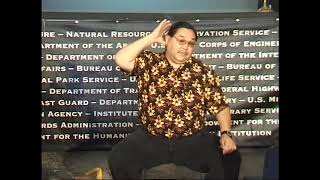
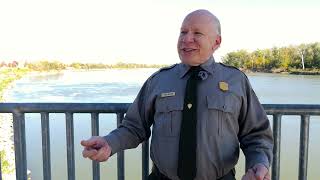
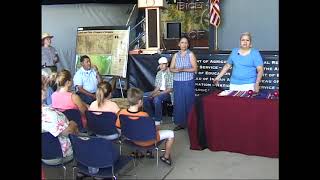
this part of the T of many voices this program that we're having is U we're giv our our elders an opportunity to talk about themselves talk about their life being here on a Maha reservation growing up what it is and it's also a great opportunity for us to um be able to question them even to talk about the uh time that they they lived and the hardship they might have seen and um it also uh these this video tape here is going to be uh recorded and stored at the National Archives Library of Congress so this is something that is a a very good that the uh Park service has brought to my people the Omaha people has given us a opportunity to talk and uh them a time to share so later on 100 years from now there are children the ones that are unborn they're going to be able to find them and they're going to be able to identify with them first one that's going to talk here is my grandpa yeah Lord's cook uh want to say I'm really glad to see each one of you here and uh I was asking my grandson here that we have Tribal leaders and uh I was thinking when I come in ground here that I would see them here and uh I'm glad that uh some of the people that works from from my relatives are here and uh we uh we had om people my uh my position here amongst the people is uh two number two second in command life and my wife's here is f is first day they're the on that uh are in charge of Omaha W is here and uh they're they're the hunger Clan they're the one that uh prays for whatever happened to our people my grandson here books are number four here there they kind of person that goes around and gathers things the uh they Happ them to go ahead and do things like this and uh my grandson here is one of them today I was telling him it's good you know that you got yourself involved in in the mallway I know his dad they part is my nephew in a relationship that way and uh I've been uh healing for few days and uh last winter I was telling him that I caught bad cold and I uh sickness settle in my lungs I have a hard time breathing and I I I try to sit still and try to be calm and uh I believe in in the religion way quite a bit and uh I want seeing my people that way too and uh it makes me feel good we've had hard time amongst our people all more people had a hard time in the past we are still that way and we try to uh pray to God pray to a great Creator more of challing about that too and uh seem like uh the more we think about think about our great creator you know things works out pretty good for us gr better that way that's St Le of our people our great leaders we have uh our great leaders buried uh the the old people that uh kind of kept us together I would say not kind of they've kept us together this way as people on our homeland uh we have some of our people that's off amongst people I have a a daughter one of the oldest daughter that's in Farmington New Mexico at this moment with her family that way now we have uh different uh uh relatives that way they are off somewhere amongst people uh we have uh today the gentl was here one of the boys here I think he's gone he was asking me questions about my family uh he said how many grandchildren do you got great grandchild I say roughly right off hand I said about 32 uh I just turned 80 years old last November 11th and uh you know I'm getting up to the to the point where I just can't go on anymore like I used to and uh because of the the illness that that's got hold of me I've been sure having a hard time at home and I I really uh appreciate something like this uh the someone could gather something like this it's good our people we never done that so they were our people were very strict and uh it's good that uh we someone could do this we are I guess you almost need to be known we we here on on our homeland here been here a long time uh I heard someone mention 1854 we've had some treaties years and the treaties among different people that come uh again I've been trying to study the history of our our people for about 12 years now and uh it's uh it's always kind of hard for me to gather information so I yeah papa um could you share some of your uh uh exper your military experience when he was young man I know he was you're a veteran service Serv yeah I uh son here as question I just I'm just so hard hearing too that I can't pick out the words pretty clear what I ask yes I've uh I think I had the my relative here within service and uh I went into the war in 1942 into the war with uh Germany and I uh spent most of my time 22 months over 22 months that I've been in Germany and so forth we got shifted up from Texas after we took few few weeks to training we were ready to go guess so this they Shi us across took us 14 days on the ship to get there and when we got there it wasn't very good reception uh we have been on uh the in a waterer for oh probably six seven days in the battle and some of the boys you know they off from the ship they just threw themselves off into the ocean uh got all excited but then uh he was in the Battle for over a year and a half in Germany and I whereever they're having issues now I've been there and seen some of the some of the un unexpected things that happened and even to to some of our men today you take your little children they just coming up you know things happen to them over there now right at this moment probably but then uh we see there's a person watching us is our Creator dear we hope that things will turn out all right calm down yes yes I've been involved in in the battles out there doing World War II even got captured for 63 days I was in German hands you German soldiers hand we wasn't treated too good if it was very lack of food also too you know that uh Keep Us Alive uh keep us going giv them strength like that so and then um about month before you know war was going to be over with I lost my brother out there he was involved in Japan and because I was going to be shifted to to Germany you know he had priority because you kind of had choice to pick out where he wanted to go so he picked up the war in Germany where I was going he was home uh he waited I guess few days extra too but he had to leave and I came home for emergency leave because I was going to be going really soon well anyway this these are the things that happened you know uh so but if there's any anybody got questions too I try to answer them a bit more they're going to uh when we get done they're going to ask questions you go pass that on to yeah sistant okay you want to say something I'll passes on to my well I'm glad to see everybody here that there's quite a few here and I have I had appearance like Mrs uh uh Harvey had they were my mother and father but I figured that I only had the only group was six but she said there was nine but I don't remember that but I lost four of my uh brothers and sisters two brothers and two sisters so just her and I that now but we had a good life brought up good teaching things that was told in Indian we were brought up that way and then we knew from right from wrong and we always stayed home and we had my father farmed there for me we be few years and we had life doing things with him in every way and my mother was a a woman that stayed home and did a lot of good things like canning and and cooking and stuff so we were all about that way everything was good for us when we never knew what Macy was as a young girl as my brother and sisters we went to school in a country school called it Webster Schoolhouse we went there quite a few years until a bus came out came to Macy school then after that went to school and walk in nor toota then they brought us teaching of relationship who were related to them there was a lot of old people old men's that knew that went things like that had and they had powers but we never really took in Powers either maybe very few then they had hand games and they had other kind of doings but kids were allowed to go in so we stayed out most of the time but we had good time that's all I have to say thank you thank you um good good morning or good afternoon uh my name is Karen cook Tindle and these are my parents and uh I'm honored uh to be sitting here today amongst my elders and uh my elders that spoke before me and uh as uh growing up uh my I remember uh living with my grandparents um Albert and Bernice from Robinson my mother's parents and uh we lived in a three- room house and there were I'd say about 20 people living in there it was a big you know was a family unit my uncles's um um maybe my aunt and uh we seems like we all uh got along for living in you know 20 some people plus kids living in that household but it was you know it was a normal thing for us that's what you know what I remember and I could remember uh uh you know my uncle's going out and uh hunting all day and bringing back rabbits and my grandmother would cook those rabbits and that's what we'd have for supper I mean and then Ducks I remember wood ducks they brought uh one you know back when one day and you know we we uh she cleaned them and we ate them and they taste like fish you know I remember I I didn't like that but we ate it squirrels you know it was uh it was um I guess hard times then for us but you know it was also you know a good good time because we were all together sitting at the table and um today um I'm uh really uh honored to be sitting here with my parents um I'm a grandmother my husband and I have um eight grandchild and uh I'm uh I guess pretty soon I got a couple more years and I'll be considered an elder but uh uh growing up it was uh it was hard it was a hard time for us and uh but it was a happy time and U right now I um I'll be working with uh the at the Omaha Nation School in the culture center and um teaching uh young children um a little bit about their culture with the help of my elders and I'm uh really looking forward to that and I'll be working uh teaching in the classroom I recently graduated from the University of Nebraska and I have a teaching certificate an elementary Ed and also an ESL endorsement through the university so I'm going to put that in good use this coming school year thank you good morning uh I want to tell you my in name first my in name is how and I belong to the Buffalo Clan I'm in the Elder I'm 80 years old so I lived a long time when I asked my brother what I should talk about he said talk about yourself so I love that so uh I had five sisters and three brothers and we grew up very poor I don't ever remember of living in a house till I was almost a teenager to the government come in and build us a three- room house so there we lived in a three room house till we all grew up I remember going to school at Macy there were a lot of D Indians who went School with a lot of non Indians I never knew of discrimination till just a few years back we all played together and we didn't know we were a different color I don't remember that anyway but we all they were farmers that lived among us and we just grew up with them uh I have the five sisters and three brothers we all went to school here in Macy and when the school uh burned down when I was in high school then I continued down to flandro South Dakota which was a boarding school and from flandro I went on to another boarding school called hasco it's called hasco Institute now or hasco university now from there I went there and from there I got married I married a man in the Navy and I spent 23 years in the Navy with him brought my children up as military children uh I enjoyed that life very much cuz I got to see the world I guess traveling I did a lot of traveling and after he retired from the military I came back to the reservation and but all those years that I was gone I never forgot my language I speak fluent Omaha I never forgot it so when I come back I started teaching the uh language to our student I've taught there about 20 years now at the Macy public school and we are trying to revive our language I will be working with this young lady she's my niece uh we'll be working to try to bring our culture back but it's very difficult because we teach them but when they go home the parents don't know how to speak the language so it does become kind of hard but the kids remember and they teach him a lot I tell you a little about my upbringing we were like I said we were very poor we didn't have electricity and no water we had to haul our own water we had to ha water heat it to wash with so I grew up very poor but I was very fortunate to have a mother that believed in education uh my brother left my father left us when we were all quite young but my mother raised us and she stressed education so today we are all educated uh we have degrees in fact most of my family's in the field of Health we have um doctors I have one sister that has three doctors in her family a brother that's a doctor and we have a surgeon and pharmacist so because of my mother we have attained all these yeah good Beginnings in life so right now part of my job is when I talk to young people I tell them to get their education cuz I feel that it's part of my work that I'm doing at the public and I one of the things I remember about my life I also am a trained pargal I was a tribal J here for many years too so I did a lot of counseling to our young people too so I've done many things I guess I just 80 years I've done a lot of things I don't remember some of the things I did but I love to go to concerts and I love the casino I love to do a lot of things this morning I was learning how to play Blackjack so I'm I'm going to go over to the casino and I'm going to play blackj with all the men so uh I'm very happy that many of you are here too you are interested in us we've been here a long time we have our own Casino that's our land over there but yet our casino is across over there I guess that's part of our land I lived over in Hawaii for 3 years when I was over there they accepted me I dressed like them I just everybody thought I was Hawaiian Chinese so that was okay cuz they treated me very nice so I want to thank all of you that are interested in us so we must all get along thank you if any of you have any questions for my relatives here Ranger will you've mentioned uh your losing your elders uh as we all do but I've never heard anything about your burial grounds or or anything and I haven't seen any that I know of and could you speak about your your funeral tradition and your and your burial grounds and so on traditional funerals burial grounds yeah uh these are some of the issues that uh you know we uh won't talk too much about but uh our areas I know um there's U one area up there by uh on the other side of wo awesome and uh in that area our people north of Homer NE Baska there uh about a mile and a half you you go Dr V City you see that telephone was leading right to that that farmer and there's a high ground there and uh 1795 is where our our people lived there along that Bluer on The High Ground they lived in what you call a uh uh the name the HS out of mud they used that mud for concrete that way there was uh people there you know how to handle that you know but they they took it took that the mud with grass and platted that on the wood that way we had a a group there the uh population was perhaps about little over 1100 uh the reason why they lived there was that there were that area it's all Lake around there and a lot of fish was in there goes by buy them like that that's why they stayed here and uh a lot of them are big tall birds like of course the duck came too it lived off of them too in that area then we had other group down there by Omaha town called south of Omaha there they Nebraska there some of our group live there also I'll be about 900 population with and here in that area there the small Fox came and took uh uh probably over 200 of our relatives you know the thickness CL got to them and uh the rest of the men folks were gone at a certain time of year come into a place where they call Pima in that area there's that Alor River there there was a lot of lot of buffalos uh roed in that area and they came down there went down there and and uh took some of the Buffalo and used them for food and got them back all the way down and back up to to the area where they were at but but I guess a thir here of the year uh probably 17 20s in there where sickness come and they when they got home with the all the food were the family was gone uh the men wondered what happened to them but the sickness got MX and it really took took the family down even to the children too well these These are the hardships that we had today the seem like the uh hardship is still with us our people are not in a real happy mood all time today we lost a lot of our our fames that way so but then I tell my grandson here that it's good that you uh brought something like this you know and family individual CH to explain their family's life and so on that way it's good I'd like to i' like to see our tribal leaders in here also you know help help of the grandson here this way but there's various ones here that uh are willing to help you know contribute their time too thank you very much yeah uh thank you uh Grandpa yeah Grandpa LA and my sister my niece and my other sister I say thank you for being here and thank you for sharing with us um at this time uh we're going to be having another program here do we have time for one more question sure okay yeah when you said as a little girl you didn't have a home until you were a teenager where did you used to live We Live uh is it yeah turn this way uh I I guess the government gave us these Army tent it was this huge army tent and I remember it was Square uh we had we cooked and everything in these tent like I say uh that's how I grew up poor till the government come in and some kind of program that built us these homes here yeah I want to say thank you to all of you again thank you for the U your kind attention to my elders here on behalf of the National Park Service and the core of Discovery 2 and everyone who is here listening today we all appreciate you coming out and sharing your stories with us thank you each very much for stopping by and sharing with us today Next program inside of the tent to many voices will probably begin in about 10 minutes or so and that is going to be Maxine and Rufus white and they will be talking about the social game the hand game so you may have heard some of our earlier presenters daa for dear dear CL are both of you fluent in the language do both of you speak Omaha well we don't always speak Omaha at home but we do talk Omaha but sometimes you forget words we have to think about it or ask one another yeah yeah yeah we can speak Oma language but but uh are there very many people left anymore that can speak the language real well or there's only a few people well just a few I think few years ago we counted uh she and I talked about this and uh we counted what about 40 yeah about 40 uh omah ladies and men that speak it near fluently right but uh there's probably less now since that time quite a few of our elders passed away and so there's not too many uh Elders left on our om reservation right they're all young people and just like uh if you noticed the other night uh I don't think nobody brought it to your attention maybe you didn't notice cuz all those on the east side of the building a hand game they're all young people just uh maybe three or four Elders sit over there MH and uh on your side I think she and I were about to was over there yeah there are a lot of young people yeah yeah and they talk about our language we're losing our language which we are uh uh at all our uh social activities like the hand game uh lot of English has spoken very little Omaha language is spoken right and even our religious ceremony is like that there all young people in there maybe one or two Elders may be in there and uh just like our annual PA we call Pa we call it Harvest Festival celebration but uh the MC's uh during the celebration they all speak English hary har Omaha they spoken yeah so do they still use the Oma language mostly in the church though when you're saying prayers and or when you're singing songs they yeah they do do but they don't always speak it you know when someone gets up to talk they always speak English speak English yeah there's uh only a few of us uh pray in our Omaha language yet and uh there's a lot of young people that they pray in English English language yeah yeah we do we speak in Omaha when we pray yeah now the children are learning are trying to learn Omaha language taught that in school how long have they been doing that is that been going on for a while they've been trying to keep the language going or well last 15 years or so they been teaching in a public school even up to Junior College but uh uh I I don't think uh they remember those children especially I taught for a while at the public school and uh uh they're junior high level and uh some of them have uh they have forgotten what I taugh them yeah I said don't you talk to your mother and Grandma yeah should they don't know what I'm saying so they don't get to speak it and use it so as a result uh they forget and like she was saying we don't speak it enough uh there's a lot of words that uh uh we forget we have to think about it before we uh think about the N the word that we want to use right uh for example of some uh names of animals in our overall language or some of them we' we have forgotten and uh CU we don't use it every day and uh I one year uh we were invited to uh by the uh Apaches in New Mexico to a weekend celebration they invited us over our Omaha down and uh we went down to the van and we had some Elders in there uh we was almost there and uh we saw heard an anope and we couldn't think of what our Omaha called called the antelopes and uh you've met Paul BR uh he made a great study of the Omaha even the language and uh he know quite a bit of our Omaha language and uh anyway he lived in Albuquerque at that time and we weren't too far from Albuquerque so we went down there we stayed overnight in Albuquerque and we went to visit him and we got talking about uh we're losing a language up here so I told him I said well uh on the way down I said we saw an anvelope and heard an anal we couldn't think of the name and uh all the elders in the van couldn't remember oh and I and I knew that name too but I just couldn't think of it and what if I has that name too and I try to think about him and but we couldn't think of it start talking to Paul B about it and yeah he said they called him dauga he didn't have to think about it man remember do yeah so he knows the language fairly well then he's studed he knows where we all came from too yeah he knows everyone's family treat the Clans what Clans they belong to yeah and uh uh Omaha personal names uh he knows a lot of people by their Omaha names yeah yeah he's a bright man he is that's a lot of important information that he shared with with the Omaha people cuz isn't that isn't all that information he's gathered available for people to look at and study and yeah I guess he got interested in it uh way back uh late 50s and early 60s our our tribe were making a land claims to the government and uh they uh hired him to I think the Omaha probably hired him uh he came back here and uh uh took in roban of the whole tribe and uh from that time he was involved with omahas he was learning their traditions and language and and clients they belong to and he knows the uh names the Indian names that we have he can uh translate tell us what it means what it really means so he's some pretty intelligent when you're given your Indian name how how is that like how old are you when you're given your indan mon I mean 4 days 4 days traditional traditionally 4 days following their birth uh they name give them names now who does the naming is is there a ceremony involved in it or is there a particular person within the family that gives the name early history uh one clan did that but at the years went by uh the families uh honored uh some Elders probably even within a client to uh give them names and uh name their children but uh we don't fully follow that today uh they they honor some Elders who they sometimes the most of the families know the name that they want the children to have and they honor the Elder to name them so uh she and I uh we honored quite often to name children yeah now how did you name your children did you select their names or did someone else they were uh named by their Grandfather at the time he was living so he picked the name and translated it told him what it meant yeah but right now since I'm the oldest in our family my nephews and nieces come to me to name the children oh so that's I tell him the name and he names them for me that's good though that they still do that that they still turn to you and there's a lot of respect for elders with I noticed that within American Indian groups I mean they really honor their elders and take care of them more so than other cultural groups do you feel that way that the that the community really still looks up to you for guidance and like with the naming ceremony and that there's a place of importance for you within yeah I I think they do they uh honor the elders like uh our close relatives and our grandchildren they always come to us and ask us things and like naming the children mhm sometimes they already know what what they want to name them but then sometimes we have to go back and think who we could name that child after and we usually go according to how uh that person lived and that's how we pick names up for them yeah traditionally uh they give them four names to select from and uh the person uh tells the family the life that each uh person lived U even healthwise where they were good health or have health problems and the kind of life that they had lived so the parents make their selection from uh the four names given him so were these names ancestors names so they're they're named after somebody from long ago so it's not like like it's a new name it's not like created okay okay yeah a lot of uh our people car car their uh great grandparents is name the grandmothers and grandfather the parents that name them after them too well it's usually the oldest one that's born that's named after their grandparents great grandparents right now how many grandchildren do you all have Jee we C at one time I forget yeah we I think we probably have more than 30 H yeah wow I would think so by now yeah yeah that's a lot and uh we have about eight nine uh great grandchildren wow there's about uh three or four of them maybe we haven't seen yet our great grandchildren wow there's uh D ok and uh the mother parents who live in Oklahoma they live away from here so right tell we haven't se it yet now will they come home for powow do a lot of them come home you lot of them came home let's see we uh hadn't seen one of our great grand CH child until just last month he brought him home they live in Arizona so we got to see him yeah yeah but but we're uh a family adopted us as their parents too so we have all of them grandchildren oh okay so we must have over a hundred including them children there I adopted the uh adopted one of the unfortunate things uh in recent years uh we named a lot of children uh fourth day some of we even named them in a hospital after they were born but uh today I saw my young parents and we tell them call them by their Omaha name so they'll know when they grow up what their Omaha name is and tell them what it means and uh some of them haven't done that and they come to us and they said uh uh do you remember what you name our child that we name so many that we forget what name we gave them yeah and uh then sometime we ask them uh what does the name mean that they forgotten that too oh just like I was telling a little while ago like a deer Clan and uh they forget that too yeah so it's unfortunate it's like that and I think what we she and I should have done but uh we didn't know this all this is going to happen uh we should have took the name Nam of that child uh English name and also the uh Omaha name and have it our file when somebody comes to us we can look it up if we didn't know right yeah yeah we didn't do that we thought about it after was late yeah yeah now what is your Omaha name mine is uh me I belong to the Thunder Clan and what does that mean it means a uh sacred yellow moon and are there special qualities that came with that name that you somebody's told you you're supposed to have special qualities that came personality if they did I don't remember it just like my great granddaughter one of them has my indan name okay okay and then the other one we have uh three three great granddaughters they're close to us because uh they were born in Pender and when they came back they came home to live with us and they've lived with us for past oh they finally moved away 3 years ago so now they call me every day Grandma we want to come home can you come and get us I have to go get them and bring them home yeah they still consider our home their home oh technically it is anyway whether they grew up there or not right they spent a lot of time with you so yeah they do and they're a lot of company to us and now they're getting old enough where they can help me like setting table and clearing the table off mhm I like that how old are they now they uh the other uh the younger one is four and the older one is six the angel is 11 huh yeah I have a grandson that's 11 years old and and their mother we raised her I guess that's why we feel closer to them because we had raised the mother too right now it was the mother someone that you had adopted or no she was the mother and the Father the father was in a service and the mother wanted to go back to school so she brought them back to us oh okay and we just took them and kept them and raised them oh okay okay they went they went back to their mother for a while but they came back yeah so we've had them ever since over were babies so uh just like the mother she's like our own because we had her since she was about 6 months old oh wow yeah this is another generation so you raised the mother and now you're raising her children as well wow they they come back and then they go home to their mother and just going back and forth and one of the things those two little ones you mentioned one's four one six uh when they come up and stay with us a couple days or a couple nights and when they want to go back to their mother downtown uh they don't say uh take me home to a mother they said take me back to mother's house oh they don't say CU home is with you yeah yeah yeah now do you spoil them when they're with you I guess we do when when they ask us for something just like the little one uh our daughter came back and uh she says uh Grandma I'm Lonesome I miss them she said so let's go for a ride I said you go tell Grandpa see what he says so he says all right let's go so we went up drove up to Sous City with them yeah now who's more strict with them are you more strict or do they twist him around their finger and get old the older one does oh does but the younger one he she bosses me the older one mosses him the older one uh I really felt sorry I was just teaching her uh uh she got off a breakfast table uh got through eating and and I don't know what she did but uh I just joke it uh kind of rep her or just scold her it really hurt her feelings she just cried cried real hard she felt real bad because she felt real hurt first time oh first time yeah so I don't do that with her inmore don't like to see her cry yeah that's hard it's hard to to raise little ones that's a challenge for both of you you know being older and having to raise The Young Ones what are you teaching them about being Omaha I mean there things I know they're very young but have you been trying to teach them some of the language or yeah um we taught her how to count the older one in Omaha and uh but lately we haven't been since they moved out yeah since they moved away we haven't really been teaching her but she uh knew how count to 10 almost 20 but that was about it but when we go toi uh Sous City or someplace we see something we say it in Indian just like the River Missouri River so she know she knows so she knows how to say a river in Omaha yeah and she P she surprised my oldest daughter she drove us up there one day and she calls her grandma Auntie Grandma Auntie this is a Nish day she said that's what we call the river Nish day is that what they call it she said she didn't even know she was surprised that's good yeah the older one she was trying to teaching her to count to 10 and uh I help her too and uh I C was my fingers one 2 three four five like that and uh I teaching her kind of reminding her so I went I went the opposite way I said yes this is I said at Omaha 1 2 3 4 5 no grandpa this is five so she knew oh I'm going to stop one minute I'm going to change