Tent of Many Voices: 11110504TMB
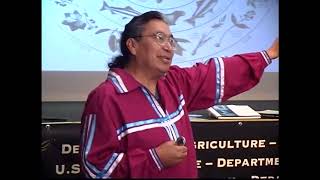
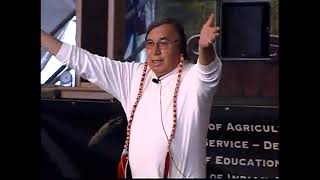
good afternoon ladies and gentlemen on behalf of the National Park Service and all of our cooperating federal agencies I would like to welcome you to the the tent of many voices the core of Discovery this National traveling exhibit that you're visiting is going across the country following the route taken by LS and Clark 200 years ago we have an exhibit tent next door outdoor exhibits that give you a sense of the life of Ls and Clark and the people they met and then this the tent to many voic is a place for films programs presentations and activities that take a look at the story of Lewis and Clark the people that they met and how much America has changed in the last 200 years our next program here in the T to many voices is going to take a look at chinuk fishing traditions and we're going to get I'm going get started today by introducing Ray Gardner he is the vice chair of the Chino nation and so please welcome him and mugs petet as they add their voices to the tent and many voices again for those of you that didn't get to hear me welcome you to chup Country at the last venue welcome to Chun up country actually my bu piece in this part is very easy then I can sit down I would actually like to introduce mugs Pati who is the past Vice chair of the chinuk nation and it's my privilege to introduce him because not only did I get to serve with him when I was a council member and he was the vice chair I got to travel to Washington DC with him I got to travel to St Louis with him but when he decided to step down and take a break from tribal government he was the one that nominated me to take his place as Vice chair so with that it's my honor to welcome mugs up here and he would like to talk to you about traditional fishing in the chunuk nation I I grew up in uh in h base Center Washington which is on the wiipop and I uh I I still live on the won South Bend I commercial fished for uh since I was 14 I'm uh old enough to draw Social Security but I don't yet government wants too much of my money uh I brought my uh CH briefcase here with me and uh I'll kind of explain a little bit about uh how Chinooks did their fishing and in the different estuaries I'm not very very familiar with the Columbia River but the wiip I know very very well there are six tributaries in the wipa being the pelix the Nema the mainstream of the wipa the South Fork of the wiot North River and the Nel I think that you have to remember that Indians didn't think about catching that fish and selling it that wasn't their thing they thought about catching that fish and eating it that's what they wanted and it was easy for them to do that because they could go up into the rivers and they used different methods my great great grandfather Frank Baro had a had a uh a trap in the paleix river and this trap was a Spillway that went up the river then it turned and went down the river and then into what they call a heart and and most most of the fish in wapa at that time were Chum Sal the nasel Hatchery is fairly new the NIMA Hatchery is fairly old but both of those brought in the chinuk and some coo but the wapa was mainly a Chum haty I mean a Chum uh fishery and that that was mainly what the Indians wanted they they the chum was a was a good keeper they were able to keep it through the winter so they would go up into into the streams and they'd either they'd either catch the fish in these traps or they would use different instruments this is one I have here that has a it is like a small Harpoon it's made out of bone there was a there was a line small string that went through here stuck in I only have part of this but I think it was probably about this long they stuck it into the fish it pulled out fish was still hooked on the string and they pulled him in they only had to do that when they when fishing was very scarce because they could go in the river when the Chums were there and there were a lot of Chums there were a lot of Chums all those little tributaries in the wipa the small ditches even a Chum can spawn in almost anything just a small amount of mud even they don't even really need much gravel and they can spawn and you had a good return year after year after year later on when when fishing got so that we needed Nets this was pretty much this was this was in my grandmother's house for as long as I was a little boy I can remember held the door shut it was made of but this was made out of a out of a pmus and it was uh chiseled out so so the Rope would fit around there and then when you either laid a net out or you had a trap that you wanted to hold something there you just dropped it down your line went around here and it held it steady there later on when we started Gil netting and I started Gil netting when I was 14 years old because it was good for school money and uh I I loved it same as my son who gilets with me now um and both of them have fished with me both my sons have this was a cork line a cork for the cork Line This is a pretty modern looking piece of piece of cork line uh usually you have a three strand but this here's this is the latest thing this is what they use and it went through like this the net was hung down from there and this is the modern lead line in that when we first started building Nets we had just a rope that we we had a mold and we laid the rope in it and we poured lead over top of this line and then I can remember my grandfather had a ironing board set up and he would run the line across this ironing board and he would he had his pot melted lead and he would pour these in and then he would move it ahead so far and he would pour again and there would be a lead however heavy he wanted the lead for his for his net to be apart and then he would coil it all up then we'd come back and take a a file or his pocket knife and and clean off the edges so that the so that the uh the web didn't hook on the lead because when the lead's down here it's bouncing along and if the lead if the web would hook on that well then it would foul it and pull it down and then the fish wouldn't come up and Gill into the gillet so those those things were pretty were pretty standard and then later on we came out with this this is the latest thing this is a styrofoam a styrofoam Court of course whenever you're uh whenever you're fishing a net and you know like I said Chinooks we didn't have to do that I mean you know we had we could go up in the creeks and we could get our fish right there they were there Chums were there we could get the CHS we wanted later on when the government came through and the state and started saying well now you have to have a license to fish off reservation you had to have a license when I was time from the time I was a little boy until I was uh about 18 years old we didn't have to have a license we were we were chinuk Indians we were recognized we thought we had what they call and if there are many Chinooks here you probably had what we call the blue card this blue card told us told Fisheries people that these people are member of a recognized tribe cuz we were we were recognized and whenever uh we were fishing uh like I say when I started when I was for just in grade school practically in the river in Bay Center and in South Bend when the Fisheries people came you showed them your card they said fine and they went away but then you know the government's got to have that money they want them dollars so pretty soon they said well for $35 You' be able to fish for a season so you know my dad refused to do that and he fought it and fought it and fought it and finally he did end up in the in the late late 60s early '70s buying a license but before that he didn't have but when you when you were when you started fishing nets this is a this is a knitting needle that my grandfather made hared them out of Cedar and what you did was you you carried this with you on the boat and if you had a a tear in the net where you had to repair you could just we call them coochie you just coochie it all up in the ble titer all up and it would finish the night out for you because in those days we had heavy heavy Nets we used a a linen net and in Bas Center I can remember you used to see those Nets out on the racks they had they had two poles and they stretch the lead line on one side the cork line on the other and those those Nets would sit out and then about every uh every other day or every two days you would pull your net off of that rack into a big tank full of what they call blue stone and the blue stone was a copper product that it killed everything in there because you get so much you get so much uh uh a different bacteria and fungus coming onto the net that the linen would rot and so if you dumped it into that blue stone and you kept it in that blue stone for one day or a day and a half or whatever the season was closed and then you took it out you washed it out and you went back fishing again a linen net would last you about a year then you had to buy and then wasn't very long when we got nylon Nets but in base Center I can remember uh probably uh 15 chuncks fishing in Bay Center at that time 15 to 20 and they they worked in the oysters they Gil netted they uh some were loggers but most most of the time people in Bas Center they were fishermen and I think it's pretty interesting like Ray was saying you know we we always thought we were recognized and we were going to be able to do whatever we wanted to do as far as hunting and fishing and game and that just hasn't come around and I think that's that's one thing that's been really puzzling to me is I own a share of 900 Acres on the coral reservation with my two brothers that land is held in trust by the federal government if I want to do anything with that land I have to go to the Govern to the federal government say I want to thin my land I want it thinned I want it I want to go and maybe uh uh plant some more trees on it I have to do that with the blessing of the federal government because they are my trustee yet I can't be recognized and this lands on the qual reservation we we we were a lotted there so you know it makes it makes many of our people bitter because we don't understand how you can have an allotment on the coral reservation where you would where you would be able to own this land in trust when that Timber is logged you paid no taxes on it because it was a gift but that we still have a trustee but recognition was taken away and I think that's one thing that's that's been very very hard for us and in my business I've since since I was probably 17 18 years old I fish like everyone else I fish I fish in Alaska I I fished all the way to Northern California tuna fishing we we were we were fishermen that's what we did and when you when you think about that you think about other tribes having fishing rights we don't I think I think that's a really uh a really uh hard thing for people of of our tribe to grasp because we figured that we've been singled out here and that really isn't fair but CH people will keep on going on keep doing what they're doing when uh when we went back to Washington DC when we were recognized and signed all the papers I thought wow this is going to be it for us we're going to be riding high now we're going to be able to take care of our elderly we'll be able to have better health care be able to do a lot of things that we never had as far as health clinics far as housing things like that and then when the rug was pulled out from underneath us was a hard thing to D to grasp so it's it's really hard for me to say you know I I can see the federal government's point because I can't see the federal government's Point here if we can hold land in trust we should be recognized and one thing about it is I've been very very blessed to have been able to fish all my life I I worked in a little bit of construction but mainly I I fished and it's it's just a great life I mean I wouldn't I wouldn't give up that life for anything and my son uh went to college for 4 years came home and said I want to stay here and pull up on fish I said wow you know you you can go do anything else you got a college degree and I don't want to do that I want to fish and so that's what he does I I think that when you go back and you and you take a look at at how things have gone for my family and I'm a fourth generation fisherman in wipa and when you go back and look at that it's it's it's been a good life for me I mean I things have changed we're not you know we don't have the time we used to have 100 days in wapa we could fish and now we're down to 25 and and that's that's a that's that's a poor deal on my part you know I don't I don't like that but we plant a lot of fish we do a lot of things in wipa that that tries to make the runs better and uh we have a good enhancement group so it's really been a good life and I uh I think that when you look back and you think about those Indians back and the I remember my grandfather telling a story once of my my great-grandfather had a Frank bar had a trap up in the penic river and he my grandpa had a small troller and he said you know God I got these fish I want you to to take them to nakot for me my grand fine you know how many do you have well I have three scows full three scows I mean that's more fish now than we catch in probably 5 years and he said they were Chums and he got a nickel piece for them and he hauled them over to the cotta and uh they unloaded them there and took them to asor in different places where there were canning plants because at that time there were only one small Canon plant in South B but when you think about those Indians in those days working on the Saints in this the worse sing in the Columbia River and working in the in the Gil netting and the and trolling and there it was a good life and it was something that really came natur to do us R you want to come up you have any questions live outside abor and uh go across young Bay a lot where they're uh gilet frequently there in young Bay looks like the Gil Nets I don't I assume this is probably current that pull these nets in the kind of s-shaped Curves um or is there deliberate reason for doing that well you try to lay you try to lay the net so that there is a there is more a swirl in it so that the when the fish comes goes along he might come out and all at once he thinks he's got going to get by it and he turns and comes in and then he he's uh he gills himself in there and when you lay it out you usually try to lay it against the current you go up so that when the current catches it carries the net down and widens the net out and you always try to pull your net keep your net on the as close to the bank as you can and that's why you have a knitting needle cuz sooner or later that's not going to work out if there are any questions I do have a microphone so that everyone can hear them and so we can get them up clearly here's a question can you describe the hat and what the designs on the hat and how it was used and what it's Well the hat this hat was done by a a a a real fine Chinook lady in Millie logger room and Millie uh Millie makes a lot of baskets and uh I have uh my wife and I collect baskets and uh we have a fairly uh probably 30 40 baskets that I've got from relatives and that we've bought at different places so I asked Millie one day you know Millie I'd like to have a hat she said well what do you want it to look like I said I don't know the ones I've seen like Rays made out of cedar bark but you know I want I want you to build me a hat she said well I've never done it I said well that's okay you know you're good at doing what you're doing so she made it and uh you'll see that some of the uh some of the Chinooks here are paddling and uh some of them at rest and uh it's uh got some real nice uh shell type beads around it and uh yeah I'm real proud of it I love it I think it's my granddaughter likes it too actually one of the things that he's not adding about that just cuz he wants to I guess be humble cuz that's a Chief's hat this obviously is not all right another question right here you alluded to the fact that you had uh that the chinuk tribe had been officially recognized previous to a certain time is that correct then how did that change and what uh well you know we were fighting for recognition for a long time and then in uh 2000 2001 2001 we were called back to Washington DC and they said we've went over all your records and uh everything looks good and we're going to recognize you and we went back and signed all the papers and uh thought the deal was done and then uh we came home and they had a 90-day appeal process and in uh the 89th Day One Tribe two tribes appealed and said they didn't think we should get recognition so we went in front of another court and we passed that fine with no problem and then the federal government sent us a final determination later saying no we just don't think that uh you qualify because and and I think this is a real foolish reason they said because we don't think that certain years like in the 20s and 20s and 30s that you were a unified tribe that you broke apart and you won't you know that's just not the case I mean chinuk people have visited back and forth all the way from quu clear to Portland and down the coast I mean you know we have relatives everywhere and and you know so that that it was just a real poor excuse is there any ongoing effort now to continue that U recognition effort that's what we're trying to do you know we're probably going to end up going to federal court with them before it's over with if that's what we have to do that's what we'll do but you know when you look back in the history of the of the chinuk tribe it was a huge tribe and it was great it was big in Commerce lots of Commerce lots of trading up and down the Columbia River and I'm I'm sure you know with those big canoes they went and they went North and they traded and so you know it's we we we're very confident we think if we end up going to court that we will win sooner or later but we're always going to be a tribe we we always are and like Ray said when he gave his presentation you know we've had everything from garage sales to bank sales to I mean anything to keep our office open and keep keep our people uh coming you know I mean we uh we just take care of each other people are considered to be CH we have about 2500 total NE one of the things i' kind of like to add to that I find interesting is one of the arguments the federal government used is that we could not prove during a period of time that our that our government existed well you look at tribes our things were oral they were not written documents so if they're looking for written documents I don't think they can find them with any First Nation in the in the United States that would have those things written down because that's not how we dealt with things the other interesting part of that is the time period in question that they said we cannot prove that we had our government in place was the same time period that they have removed us from our land you have another question over here I understand there's a commemoration event this weekend can you talk more about that about the commemoration ours we've actually got the chinuk nation is putting on a 4-day commemoration at our tribal facilities in chunuk it started this morning we're going to be running for 4 days we're going to have different tribal presenters are going to be there we've got a lot of tribal people that have their arts and crafts there we're going to be having a traditionally cooked salmon dinner each day which actually I see some people in the tent that got to eat some of it today which has been a real challenge cuz I thought it was interesting I was talking to a couple of people from the Louis and Clark group they said they couldn't keep their fires going we seem to manage to keep a fire going this fine and cook fish on it I don't know what their big problem is but it would be nice if any of you want to learn more about the chinuk nation to talk to our elders to talk to other members of the tribe we've got several different drumers there not only from our tribe but from other tribes as well that have been drumming and singing and it would be a wonderful opportunity and we'd be more than happy to see all of you to come down to our event and learn more about us I think one thing that was really interesting is that Millie logger's husband in Bay Center George leran who's also a chinuk member he built a canoe and uh he had a cedar log in his field that he looked at for a long time and he thought is that going to be fence poster is that going to be a canoe uh maybe we can make a canoe out of it so he took it with the help of some other people from the whole River Drive they marked it out and they build a canoe out of it onean canoe and George uh did a lot of work on it they got it already and when people from Louis and Clark heard about it they said wow we'd like to have that you know we'd like to take that with us so we shipped it back to Virginia monello monello and it came the whole way out and it's here now so and and it's on display at the chinuk school and we're very honored that the people have brought Little Wolf home they've had an incredible journey of their own they have traveled the trail from monachello all the way back Little Wolf has been all over the place the one nice thing that these people that are portraying leis and Clark and different individuals and are following the trail when leis and Clark were here originally when they left they stole one of our canoes they could not believe how well our canoe is handled so they just decided they'd take one and take it with them now it's kind of nice at least 200 years later when they got little wolf back in monachello they actually brought him back home and we got him back and it is a wonderful day and I I do a lot of things with George and Millie Lan which Millie is the one that did this hat and George is the one that carved the canoe there are a couple of our elders that a lot of us look to a lot to learn more about our culture when Little Wolf came home they had a pot latch for him the other night they had a huge celebration they invited probably about 200 people in they fed all these people for being there they gifted all of these people for being there for those of you that don't know about PLT latches it's an interesting concept compared to what we deal with in a pot latch they invite you to come to their party then they feed you and then they give you gifts for attending their party the family had spent the last 2 and 1/2 years years getting ready for Little Wolf to come home in that 2 and 1/2 years they they wo little baskets they carve different items everything that was presented to the people who were at that event that day were either made or purchased by the Logan family and were gifted to those of us that were lucky enough to be there when M wolf came home it is interesting to hear George talk about as he talks about the log that that canoe came out of he said that tree and him grew up together George is 84 so that tree had grown on his land that he grew up on and became his canoe that made an incredible journey and came back home to be with the CH tribe we're hoping to get Little Wolf on display they would like to see him up at Cape Disappointment where everyone will be able to see him at the interpretive Center until such time that the chin patient does get its recognition back we have our own Center and then L wolf will come home to live with the chin patient we have another question up front and I'll be right there with the microphone now I'm very honored to be here these are my relatives Mo P huwalt my family my mother's cther Crow and she made these blankets for us who were honored to wear her mother was Alfreda Herold her mother was Katherine Colbert her mother was Amelia pte so you see we come back from the T family and her mother was Amelia aashan uh Maran aashan whose father was uh Alexi Oban they worked at Fort Vancouver for the Hudson Bay Company and their family was arkans and ashwick and they were in the family of Tai tamay tamay and Tai kuming so I was fortunate also to serve as Vice chairman of the TR tribe some time ago but in honor of this wonderful Gathering that we have here the chinuk salmon is known all over the world they call it the king salmon but it's really the chinuk because our people it was on our our Shores I like to sing that song for you m this is the Y the chip language that we known as the language you you you B you B you Lord you thank you I'm honored to stand with my relatives here this Gathering to welcome each one of you to our Aboriginal chinuk Indian Country may you each have a wonderful stay here visit celebration that we took care for the people who came to our land we've been known for Hospitality just as Ry explained with a potlatch our people were seen traveling up to McInnis they wore these Chief's hats and they the Entourage was so large the MAA remembered them 50 years after their passing so thank you each one for being here thank you Ray thank you marks are there any other questions if not I would like to thank both of our presenters for coming and adding their voices to the tend to many voices this afternoon thank you very much Mr Gardner thank you very much Mr pay and i' i' like to thank all of you for coming to the tent of many voices and just to let you know we do have program starting for