Tent of Many Voices: 11190501TMB
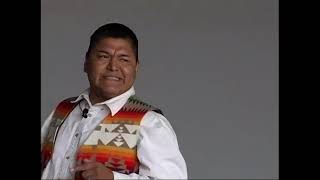
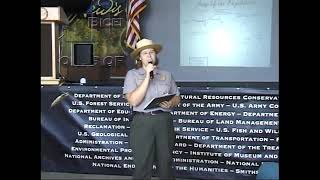
good morning ladies and gentlemen welcome to the core Discovery 2 and the T many voices for those of you who have seen us before just tell you a little bit about us we are a traveling exhibit we've been traveling the trail since January of 2003 we started out at monell at Tom shon's home and made our way Westward to the Pacific Ocean next year we'll be doing the return trip back to St Louis uh in 2006 we call this the T of many voices CU we bring in people from all over the country to do programs on CL and we also bring in travel presenters to talk about their tribes that l park met today we have with us Jeff painer and he's going to be talking about the Partnerships and resilience of the class and he is from the classic missry so please welcome Jeff p uh so good morning and uh I wish you a traditional good morning in in just a second here um explain about that song if you were here or coming in while that song was going on really different kind of beat to it real different kind of song than you'll hear most places and uh that's a gambling drum and uh it's one of our gambling songs my grandma always called them lucky songs um cuz it's supposed to make your side lucky when you're trying to get the money off the other team playing gambling games and these games typically go on you know three or four days and nights I'd watch my Grandpa not leaving the gambling area and uh that's a lucky song so you should all go buy a lottery ticket always says you know they make you feel good they make you feel happy and they give you luck so you go bu Lottery can see if they still work so I'm I'm going to welcome you in in Aro Jaron language and then I'll say most of uh what I said in English so that you know what I said some of it I won't translate but uh I might be able to explain that a little bit so uh close m so I said uh welcome to everybody here to my land and my family's land and my people's land U this land is still untreated unse unseated unpaid for um and we have squatters all over the place U and I'll explain a little bit more about that but U and my my great great great great grandpa was one of those squatters uh George W cook for whom cook slow slew up in asor his name uh he was one of those original squatters but he had a good sense like most of the settlers to marry indan families that live as a native speak the native language and that kind of thing it really wasn't until L and Clark that we had these oddballs that would come visit not tra build a house maybe not leave or maybe leave um couple of lost guys the rest of what I said was uh my family is the cook Butler Casey McMillan Family and we always say that so that if we're dating I'm married and I'm not dating but if we're dating that we're not dating something we're related to you know it's not really good form so saying the cook Butler casing McMillan Family most everybody knows who those lines go down from all the way up to uh British Columbia and down to California our family is spread up and down the northwest coast but they all originated here at quat uh the village where Seaside sits um with a population of about 6,000 right before L Clark so real similar population level and uh our village is at necat and Ne coxet which are up off the side of highway 101 where Gateway Discovery Center is that the tribe is in and then the village in N which is up the L now called the L of Clark river um where the two lost guys built their house and and left in the spring of the next year that we're celebrating um I said I I welcome you in the oldest way I ask for your ears to be open your hearts to be open and I have nothing but good words and no hard feelings so if you if you catch a tinge of bitterness anywhere in here it's not really that way about you even if you li it's about the way our people were treated and all the tribes have a very similar experience from uh L and Clark's impact and then what happen after that so um don't take any of that personally and at the end um I'll sing a song or say a prayer depends on how much time I have that kind of releases all that so if you do pick up a little negativity or anything in there we we want you to let that go before you go out here so that this is a learning experience um um so before I get going see I'm already gone but I'm not among my people most of the people of the Columbia River the ni W our highest Chuck out here um before a Storyteller and I'm I'm a traditional Storyteller among our people and I also function that way among some other tribes that have adopted me so to speak as their speaker um this particular necklace is to speak for one of those people those people know what that means it means I have the right to speak on Affairs political Affairs spiritual Affairs whatever for those people um and before a Storyteller starts anywhere along this River they always start by saying what do you have for pay and there's a reason for that we tell our stories mostly in the long house um at night time and during the winter around the open fire in the middle and still today it's kind of held that way late at night after everybody's eating and it's feeling kind of sleepy then you ask for the Storyteller to tell you a story and the story might be a myth you Western people call a myth like a creation story or a kyote story it might be a story about geography a lot of our stories just simply tell us how to get from point A to point B but the geography is hidden within the story so that you remember all those places you can't get lost cuz coyote starts at this mountain and then goes to this River and then some of them are like that some of them are stories about tell us tell us that time last year and Grandpa fell in the water catching his s so they're contemporary things that they want to hear again and the Storyteller puts a Twist on those to make them funnier or bigger or easier um but they always start by saying what do you have for PID and since you're not traditional people I won't stick you to that and by the way a grandma has already bought you off which means um when I started speaking 25 years ago this one old grandma she said you know we don't tell our stories except in the winter time and we only tell mostly inside our house to our children we don't do them like this the way the modern world does and uh we always get paid Storyteller has to get paid and so the children would come forward with plates of food or maybe strings of dentium and hiap um or a coyote fur or a Bader or something that Storyteller would need in order to keep his job and travel from house to house and Village to Village and so she bought that off she said from now on nobody has to pay you and you can tell your stories any time of the year you want and she walked up on the stage and she swep $100 building and uh that's a lot for an elder that might be a month's income for an elder um but that's the way those things are paid off she could have done that with a big string of hit this D tell she could have done it with a a horse she could have done it with a lot of things but she did it publicly in that way to say he's not bound by that anymore and uh I know my Uncle Eddie edmo who's going to be speaking a couple times during this event had the same thing happen his one of his aunties paid off so he can tell his jokes and his stories out of season now we happen to be in season but nobody's painting so I'm I I'll payt myself actually a little kid gave me this this bath hike the other day and so he's probably paid for everybody for the next year um so you know a little bit about me so um the first question I usually get from kids by the way kids under the age of about 12 and older people over the age of about 65 or so um have no ability to edit they just say what's on their mind They Don't Really Care little kids don't know any better CU they haven't learned all our social niceties and older folks just really don't care what you think of them cuz they're you know they just got their opinion and so usually about this time in my talk a third or fourth grader will say how come you're so dang white you know um where's your horse in your T um what's that funny thing on your head why aren't you dressed up with a head addess and all that kind of stuff so to address kind of some of those issues I'm real real white um there's some kind of Scandinavian desent on my mom's side but we really don't know what that is cuz her one of her relatives was left at the a doorstep of noran in Minnesota um we later found out there's like an OE Olsen in her family and some things like that they give you a clue there's some scand ofo and somewhere back there my dad's side of the family is the clup branch of the family and they also have some French and some other stuff in there but most of our travel people will will agree whether you're uh a native and identify yourself as a native doesn't have anything to do with how much blood you got um you know for instance the charity nation has said as long as you have a drop right so blood Quantum is a federal concept that was used to destroy natives unfortunately a lot of tribes have bought into that and set their own government policies up to eliminate natives under a quarter or an eighth from being members um the way that native life is still practiced all throughout North America is what language do you speak how do you pray how do you live do you live with the Four Seasons do you know the plants from your area uh I can't really be a classup and live in Oklahoma right I'd be something else I mean I could be class of by Blood but I'm no longer a classup because in order to be a native clup I have to be in my community I have roles and responsibili in my community I have to use the plants in my community and the animals in my community and the fish and and live through the Four Seasons so um I don't know if that makes any sense to you but I'm pled because that's the way I live and actually if you looked at the way I live tribally because my people when I was identified at the age of four for training uh my family is a family of heers going way way back and I was identified for training they couldn't find anybody to train me now that doesn't mean they don't exist you got to be really careful about that it's just my family didn't know anybody that had the songs or the language or any of the ways of training me and so they picked the next best thing which was an elder by the name of Stony weeks that I believe is still kicking around and he's a Warm Springs confederated tribe member so picked a close relative and uh he trained me for a little bit and then I went into drugs and alcohol and I don't mean uh as a counselor that came later I mean as somebody that was really in bad shape and I did that for a lot of years and when I was coming out of that this Chalik Elder which is mispronounced chery in English um this chel elder who was running a gift shop and like most native people were in total camouflage she wasn't wearing a headband in regalia and I couldn't spot her and she took me under her wing and then I found out she's a big time healer and head of the catua society back there and I worked with her for a lot of years and I really couldn't pick up the choke ways that could help her but I couldn't pick him up and I happened to be in a ceremony with her um she was healing this other medicine man that was lot and the minute he started singing his songs I knew what he was saying like I knew inside of me what the words were saying and I could sing them with him and uh I told her about that afterwards and she said okay well then I'm done with you you're you're his now I'm going to give you to him and the deal I made with her when she started working with me is she said your life's no longer yours now it's mine and I said good deal because I probably would have been dead within 3 more years if I would have kept drinking and using so you might as well have it so when she said I'm done with you I'm giving you to him that meant now your deals with him and so hulia who's now passed over um I spent a lot of years with him and uh so my primary cultural training is actually in Lakota you know Lakota and Chalik um I currently work with a Dakota Elder and as well as a lot of other elders but um that's my main training is Lota which is kind of odd right you got lots of guy with Lota and chal and Warm Springs train and that's I find out now as an adult very typical of clat of people we had a lot of different cultures visiting here and playing around here and trading here and getting ship wreck here and uh discovering this place you know the number of guys that said I discovered Oregon or the Columbia River geez it's a big long list way before Louis of Clark and then we you know now we discovered it it's like how many times can you discover something where somebody already lives there I'm not really sure I just discovered Jim's backyard cuz it's the first time I've ever been in his backyard I think I'd like to name it you know I'll name it Eola because it just sounds Indian uh and then I'll start living in Jim's backyard and never pay to live there that's an interesting concept uh so I'm a big mix I'm a big mix of stuff typical plat up Behavior plat ups were the Walmart of the Northwest One Stop sh shoing and anybody here work for Walmart I don't want to offend you too badly just like Walmart we employed slaves and didn't pay nothing they had no Health Plan um the advantage of being at the mouth of the Columbia or trading with this we had a one for two sale all the time you're probably used to two for one sales where you go and buy one gibl free if you came to purchase anything from us or sell it to us um we take two of whatever you had for whatever you wanted from us you paid twice as much so why the heck would you do that and I go into this a lot more in my talk on trading but it's important for you to understand why would anybody pay a higher price than anywhere in the northern hemisphere for their goods well it's CU if you came from Alaska or van Island down in the mouth of this River and you needed stuff from California or South America and didn't want to go all the way down there and rest your life or all the way up to Salo or out to the plains to get your Buffalo you can get it all at tany point you can get it all here at quat where Seaside currently sits cuz all those people went through our doors at one time or another so we buy stuff from we'd also journey in our Oceano canoes which we just carved um the first one in about 100 years or so um but we journey down as far as anthropologists tell us down to point RIS in California up to Southeast Alaska and Vancouver Island extensively and I have a lot of relatives on Vancouver Island through near Mary and then up to Sal fall um and so most of those goods we brought down also as well as buying them and so if you don't want to risk your life um you could just stop at Walmart here on the on the Oregon coast or at our cousin's shop on the other side of the river the Shooks one of the shanut bands and get anything you needed not risk your life you weren't getting a very good deal pricewise but it was a good deal in exchange for energy at time and then you could go on your way um if you read in and Clark's journals and I don't normally talk about this but because we're here for LS and Clark it's kind of interesting to know they spend a lot of time complaining about how much they're paying for stuff you know a lot of time and anybody live like in a resort town like Seaside or Ashland or Boulder so you know what it's like you know you don't probably shop in town like I I lived in ashin for 15 years I never hardly ever shopped in town I'd go to for to get for half that price you know typically not half that price maybe 15% less or 10% less but if you're in a tourist in the economy you want to leave that economy to get your everyday stuff and come back you know you certainly wouldn't well anyway it's an economics thing so these guys came they weren't Traders and they didn't understand trade there's a lot in their Journal about chiefa Coboy and his daughter coming and trying to teach them how to trade cuz they were just failing miserable and uh they spent a couple days with them finally got them into the concept of making a deal isn't as important as having a good time and they didn't understand that they'd come in and they'd say I'll give you and this is just an example this isn't from the journal but an example is I'll give you one alide for four be VAR ities right they just want to make the deal and check out through the clerk and go well the clots of half the fun is sitting there eating with you telling the stories gambling maybe losing some of your money or I lose some of mine eventually we're going to trade for the be repelled and alide but first we got to get to know each other and kind of tell some stories and what have you been doing until you got here and that's how we learned like newspaper what was going on so you come in as Lou and Clark and say here quick here's my out give me your deer hides I need to go on late for much well the clup guy typically would go you're making me mad you don't want to sit down you don't want to play you don't want to hegle so instead of uh your alide for four Beaver hides I'll give you two Beaver hides for that alide and you can go ahead through the check out Clerk and Le since you're going to just be that way then you get half what you're already going to get well then they're mad about that no no no and on a couple occasions they would steal the goods uh they stole one of our canoes cuz they couldn't finish the deal and couldn't trade for it and angle for it and they just decided we're just going to take it cuz they're stub SO trading is a lot of fun like the gambling I mentioned go on three four nights in a row people hardly leaving except to go eat and come back and keep on gambling it's really not about what's being gambled it's about hanging out with your friends uh I remember growing up and going to the RV park with my grandpa and grandma that they lived in during the summer half of what they did there was not fishing uh which they're supposed to be doing supposedly um or anything else most of it was just bsing with people that had been in you know Arizona for most of the winter or wherever it is that they had been catching up spent all summer catching up maybe catch 20 salmon but spent all summer catching up um the excuse for being there was fishing so it's like the excuse for being here is gambling or trading but really it's about getting the news from you could get the news here from all the way out on the North Plaines up into Canada Alaska Island and Northern California pretty good place to go read a newspaper but you wouldn't want to come here as Lou and Clark that not a Trader and has nothing to trade cuz you're paying a lot to just be hanging out here and especially if you didn't want to hang out they used to shut the doors at night at the court they didn't really get that that everybody's door was open and anybody could drop by and get fed as much as you wanted for as long as you wanted to stay so they'd shut their doors well they're they're out of the cycle right they're missing most of the stories most of the fun and so all they see is the drudgery you know they complain a lot I got to look over here I don't talk off of notes but I have old people that tell me things I have to make sure I say um it's been that way since I was about 12 usually the old ladies we're all we're almost all tribes in North America and not generalizing but almost all are matriarchal um it may have looked like men were running stuff cuz they ran around and headdresses and stuff but the women still run everything in in a legitimate trouble culture the women are mostly sitting down and telling us young men what we better say in that men's meaning what decision we better read because they think about things a lot deeper than we do they think about children they think about Generations they think about environment we think about things like Warfare conquering getting away from the women and children hunting you know and so they'll tell you you better make that decision for me then the chief would walk in and get all puffed up like it was his idea and say here's what I decided but everybody knew it was ground they came up with the idea right so I saw Grandma say you better make sure you say this um oh yeah that's a good one so uh this one grandma said make sure that that you guys always understand there's three tenses anytime you're talking about Native people and especially plats up the Halen people um past present and future and I can always tell when a historian is is off base because they'll just keep talking about what we did in the past a good example is I've been declared extinct about 12 times since I was old enough to read the books um I was extinct at a video plane at Fort Plaza uh uh one of our tribal members that's a direct descendant to Chief cooy who the fork was given to when Len Clark left although I don't know how they would have taken it with them but they left it to Chief cooy she was sitting in that presentation and that video came up and said she was extinct and you've never seen 11-year-old girl more livid she wrote C quite a letter and quite a paper and as a result the National Park Service has refilmed that video and um with the accurate story and that shows on somebody helped me out Tuesday I believe uh clats of winter story in the DVDs available in their gift shop exclusively and they did a really good job of telling the real story but think about it how long did that film play up there saying we were dead and what does that do to a people to keep being told you're dead you know I've read it in The Oregonian I read it in the as story in the signal the last Flats of died you know 1905 Michelle for one thing she wasn't the last Plaza she wasn't even the last bu she was very popular she was a celebrity of sorts uh but we're still here you know we still speak our language sing our songs take care of our burial sites and our sacred grounds at Saddle Mountain and all that U we just are real quiet about it we're not big uh Superstars like some of myot Rons are that are in every movie smoke signals dances with whoops you know uh dances with lawren and babia is what one friend of mine calls it isn't it great how white guys always play Indians better than Indians you know like Lawrence or Arabia right he was a better one of those desert guys than the desert guys could be is kicking but you know Dances was w a great atrocity on Native people so back to my past present and future and make sure grandma doesn't get me um so anytime you're talking about Native people and it says we did or in the past we we did something you're leaving out at least two other aspects that are probably true so I'll give you an example always want to include that past present and future so in the past the clups were fine cener basket makers and made things like these Cedar headbands and such um today the classs of nalen continue to make fine Cedar baskets and Cedar headbands like this this was only made a couple weeks ago um and into the future the class of nen people will continue to be fine basket makers and make fine Cedar baskets tendy or head M like this so that would be accurate the way I used to deal with it academically when I was writing papers is I would write um whoever you know the Lakota used to slash still and that didn't really work it doesn't roll off your tongue you know the Lakota used to still hunt Buffalo it just doesn't work and so you have to kind of break it up into at least two sentences they used to do this they continue to do this and then always include the clots of the Hal will will likely continue into the future the find whatever it is to continue to do that now if you know there's absolutely something that we don't do anymore you've done all the research you can you can't find any evidence that this exists uh among those people you still want to include this phrase that Grandma through it here so I'll give you an example the class of mhen people used to have winter ceremonial houses with mass songs and dances and the full ceremonial cycle of winter as far as I know and that's only as far as I know we don't have any of that we don't a long house anywhere in this area there are some up of Muckle shoot and scope and tala but nowhere in this area um but what you can say is they no longer have the winter ceremonial dances with the mass songs and everything that goes with that but we can expect in the near future the classs of the H will once again have a winter ceremonial Al house with their math songs dances and everything they go with that you always want to give them the benefit of the doubt and never declare anyone extinct you always want to say as far as I know you know or they choose to remain hidden at this time you know would be great there's hardly anything that any tribe has lost that's a bad word all by itself lost haven't lost languages songs dances or anything else some of those have been put up on a shelf for a later time but they haven't been lost so you got that past present future okay maybe I should break this up so I'm going to tell you a traditional story um or you want to story first or joke so you get to vote story have many hands story story okay joke uh I think the story one the story one so yeah people voting twice too you must be should up um so I'll tell you the joke because it's an Indian joke and I wouldn't normally tell you this first part because you'd already know but so you can get a concept of how dry our humor can be and it's not just our humor it's all Indian humor so kuk people who are relatives of mine we tell a lot of jokes on people we know my uncle will often start jokes with so one time Jeff was doing this and uh I didn't really do that but it just good to throw somebody's name in there um so my kuk relative is full grown stand about this High really stocky broad dark skinned native looking folks most Northwest coastal looking folks look a lot like me and even in Lou and Clark's journals they remark on the red-haired lightskinned native people U we've been in the inner breeding for you know at least 250 years with Chinese Russians and Spanish Traders before L Clark got here so we spoke English and we knew what they were doing before they got here and discover this but my gr Friends real short real stocky walk right into a sweat lodge door without bending over I tease them about that all the time don't even have to bend down and get in that door just walk straight in stand and straight up so now that you know that part what's 2 m long and this hle a ter see it's kind of dry you don't really laugh you kind of go and in Jack Tom my cousin the crew cousin was s the audience now he tell one about the class or about me but he doesn't get a chance to not here so I'll tell you a story this is audience participation now he didn't think he'd have to work this early in the morning did he so um we traditionally had a a Talking Stick or lifting stick so this will be your Talking Stick or in this case a lifting stick so to whatever side your body want to go you're going to kind of hold this like a paddle for now and you can do it anytime all right all right you can stop doing it for now CU I got to teach you a word first and the word is y y it's kind of like yah if you want to pronounce it that way it's easier in English the words yah so everybody together Y and that looks pretty bad so try it again 1 2 3 y okay so here's the story The Creator by the way none of us have a concept of the Creator as a deity Creator is a l w Lota sacred energy moving around between you and me and nature and everything else um the creater that life force was moving across from the east coast to the West Coast dropping the Indian people and the languages into their place placing them there along with the animals and the plants and everything they depend on for survival and the creater had gotten across the plains up on the plateau area and reached the Cascade and crater looked in the bag and had a whole bunch of Indian people and a whole bunch of languages left and realized the ocean's right here we're running out of time running out of room to place them and so prayer just dumped that bag over and all those different people and languages landed in this one spot that goes from about south of til and up to Alaska so the DC Oregon Washington area we have hundreds of different peoples and languages uh languages as unintelligible to each other as Chinese is from English I can go 100 miles up the coast and that language is as unintelligible as Chinese from English right completely different people different way of being on the world use a lot of the same plants and animals just because of the ecology so all these different people got dropped here that really couldn't communicate with one another outside of their own little group and the Creator had made a mistake which is very common Creator makes a lot of mistakes and then it's up to us to kind of figure it out and work with it um like the way our weather was last week big mistake but look at it today it's great uh crater made a mistake made the sky too low the sky was about his high at that time the stars were right there people kept bumping their head the um the animals kept jumping up into the clouds and would be in the sky and little kids night couldn't go out because they might get trapped in the sky and then when the sun would come out they' drop to the ground so it was a big problem the birds were only flying about this High kep running into it and so some of the head people got together and the spiritual people and said this is something we have to fix the Traders left this for us to work out on our own cuz we've been praying about it for years and the sky is still that high and they were trying to figure out how they were going to communicate this to one another because they don't speak the same language they had the shin jaring and that's uh it's it's not a true language it's a jargon combined of a lot of stuff so they were able to get the word across but they realized there are hundreds of tribes that are going to have to help us lift this sky was your lifting pole still got your lifting pole okay you still got it and uh the only word we all have in common is y y every single tribe has that word in common and what it means is everybody get ready to do it and now it's that's all that in yah everybody get get ready work together we're going to do it now so so word spread bring your lifting poles to your place and we're all going to try and lift the sky on this particular day at this particular time and word would go out from a central area in the Columbia River a man was going to stand there and yell yo and then everybody would go Y and try to lift it up with their lifing po so here we go okay Li the P right and that man at the Columbia River yelled y and we all went one 2 3 go that was pretty good actually but we only budged it about like that and we were like well this is going to be a lot of work we really got to put some energy into this so not everybody dropped their lifting pole I hope a couple people left yours up cuz you got to prop it up while a couple of us get ready to take another day so a couple of you hold yours up so you can keep this Sky propped at 3 in we gained and uh then the rest of us will go down and now 1 2 3 go that time it went up about that high so a couple of you guys keep your sticks up there we need to keep it up as high as we got it and we're going to go one last time cuz three is a real sacred number and 1 2 3 and the sky went up to where it is now today you guys were successful good job and the rest of the story is we made a mistake at the time that we did that last push like that there were three young men hunting an elk along with their dog and they happened to have wandered up into that cloud when we started lifting and when we did that last push the cloud the cloud took those three men and their dog and that elk up into the sky with them and if you want to see them they're still up there every night you can still see those three men and their dog hunting that elk and you call it the Big Dipper that body of that elk is that big Square rectangular part and it hangs down with feet and handlers going up this way and the handle going out that way what you call the handle that first star in the handle is actually two stars and then there's another star and then there's that third Hunter at the end still trailing that out one of the remarkable things about that story that's a very old story that's told all over the Northwest is that that second star at at that very first star that second Little Star the dog is not visible with the naked eye wasn't visible until just a little while back in in Indian time uh with Western science that they could see that star one of the first things the scientist said was how did they know that star was there there's the dog right behind the El so um some of our stories have truth that then gets it catches up as science catches up you realize that story made sense we have stories about tsunamis that are now starting to make sense in the archaeological record and the archaeologists are having to say gosh maybe these guys weren't just here for 13,000 Years cuz they know about two other tsunamis that go back to 100,000 years in the old tradition they talk about that wall of ice up on the Columbia River during the Ice Age that they would go visit U and all the way up into Canada and things like that so science catches up with us um eventually Partnerships um we're people of Partnerships a lot of people have had a lot of questions about my Sho cousins on the other side of the river and how we're related especially during the last week's event it's important to realize that tribe is a totally foreign concept okay I I haven't yet met anybody who defined thems as a tribe before the federal government came in and said you need to organize in order to sell your land so call yourself a tribe right that's based on uh Western policy of nation to Nation treaty making um we didn't have Nations for the most part um and I always say that because there are some exceptions but for the most part we didn't have Nations like that that had Kings and Chiefs and rulers that you could go talk to about selling land we had individual land owners and it's still rep reflected in our place names like necat nanum neox um Nani those all start with any any in theu jargon means the place of we didn't name rivers mountains Villages or anything else but necat would designate that place where Kat lives neotat n coxet that place where the coxet are living so the coxet might be the coxet family we don't know but but think in terms of 30 people living together in in a couple of houses on that spot on the river they have primary fishing rights probably right there um Gathering rights right there but they don't own that land don't have any concept of owning that land they have a concept of managing that land they also don't have to report to Coboy or anybody else that later call thems a chief there's no no political structure to support that it's just individual families on the land related by intermarriage and language use and coming together for winter ceremonials um and it's not until later on when they said well what do you call yourselves here we didn't call ourselves CLA either that's a sahaptin word for us lat lat means people of the dried fish so the Salo people up there called us people that drive fish plot up there was one Village that was referred to as plot up up there by tan point and uh when they were trying to settle the treaties in 1851 and explained to us what we were trying to sign away we said well we need to get together with our relatives and figure out what we're going to call each other because we're related to everybody from the tip of that river past ailo South to Roseberg over to the coast and on up we're all interrelated intermarried have a lot of the same language in common and the US was not going to treaty for that big a chunk of territory they had no concept of that nor did they trust that we could get everybody to sign away their rights for that biger piece so the CL got together with the Kil Mon and then Hal and the clai and clus and everybody else around here and basically said this is the area we normally use from mouth of the river to Lu and Clark river uh mouth of the Columbia luisen Clark river up to the top of Saddle Mountain down to the end of el Creek in uh Canon Beach area and then all the way up the close to the tip call clouds up land and then H TM said okay we'll take that line and we'll go from there over this way and same thing with the clad and all those other people so there are artificial definitions you know um when people complain about well you guys are organizing as a tribe now and you should be part of us well there's no historical context for that we're the only tribe in Oregan that wasn't sent to a reservation um you understand what a reservation is anybody quickly what's what's a reservation it's important that we get that handled too reservation is not something the government gives you real important concept a reservation is land reserved by the natives for themselves in exchange for certain things and letting you have the rest of the land and it's misapplied a lot like they sent them to the reservation but what you got to understand is they had already reserved that land in most cases there's a couple exceptions like Oklahoma but for the most part we said this is our best land it's got our burial grounds in it our fishing grounds we're reserving this for ourselves you can have this other part for an exchange now we might not stay on that reservation we might travel all over the D place but if war broke out um or we were under threat from the settlers and Pioneers which was frequently the case because there were bounties on our scals then we could go to the reservation be protected by the Indian agents um and so when they say well they sent him to the res what that means is maybe a war broke out and and we were the cause of it or whatever so they would take you back to your res for protection um or for prosecution whatever is the fact we didn't end up with the r um and so they didn't send us anywhere um we had the option of joining the grand Ron at their res if we wanted protection um we could join the selet at their res if we wanted protection we could join the qual which a bunch of us did um for protection but it was totally up to us most shinook and class of people though were successful businessmen and Traders and didn't want to leave this area and didn't need protection you know really owned businesses like my grandpa George W cook owned a piling business owned the entire west side of the city of Ator um down to the river um no big deal he bought up all the tribal land and held it in trust for tribal people um very successful guy so why would he leave to go to a res well he wouldn't he he owned the r you know and let everybody else live on the r um that now in contemporary times has got to be a problem because um some classs went to Grand Ron and and they want to speak for all classs a lot of classs went to kol they're not interested in speaking for all classet but they genuinely have a whatever a dog in the bite the sh tribes trying to get recognition up there again and they think we should join them and really it's everybody's ultimate decision um parts of my family have joined with the Chinooks in the past and the grand Ron supported the sleds but felt the need to join with or be a member of any tribe because that doesn't make me Indian I'm Indian because the way I did speak and practice in my community that I'm in it's not because they give me a card that says you're now officially money you know whatever the heck it is um so people will Ally with different confederations and these are all confederated tribes remember that none of these are tribes likee tribes they're confederations of different people coming together saying we want to s they'll come together this is also Grandma's word they come together based on land connection intermarriage alliances political and economic and then the advantages if there's no advantage of aligning with you then why align with you I might as well stay in a one ass story um if you can't do anything for me I can't do for myself then I'll just be me but I'm still class you know still class for the most part classs are known as the peaceful people of the Columbia River and there's good reason for that if you're Walmart you don't want anybody too darn mad at you cuz then they don't go spend money um it was also a place where waren people would frequently come together and be trading at the same place and so in uh some communities were known as mediators on up into the Olympic Peninsula and British Columbia often they would call on a classup mediator to settle disputes among Waring parties there's a lot more Warfare from that side of the river on up than there was on this side of the river um and there's a lot more people competing for resources that we had here too um so we've just kind of laid low and been happy and come trade with us and meet our Sal and have a great time and we're still kind of that way today there's some people that have kind of felt a cringe about us talking about the land not being treating and taking care of like we're want it all back no want all back we're just happy go lucky folks who look just like you and I'm not in reell yet and uh live an everyday life and hold jobs and everything else we would like to have a little piece of land somewhere to have a long house someday to be able have a sweat lodge in the ground instead of our funeral sweat grounds or what we call transient sweat lodges the hoop ones above the ground just for when we're traveling but our lodges belong in the ground and they're built like houses in the ground but we're told we can't build them like that unless we own the land and have control over it that we can take care of it so it can be somebody else's land they letting us use or loaning to us or you know it's got to be ours but yeah we' like to have a little land be able to have a culture camp for kids and do stuff with kids from the school but we don't want all this back we're not we're not diluted you know we don't think we're going to get any large portion of any of this back then make sure I got all the Grandma's words sorry about the Beats hitting your mic there uh we got the three tenses we all lifted the sky that's pretty good um and it's important to recognize that just like we lifted the sky together that's how the cloud UPS have always done everything in Partnerships cooperation with a lot of other tribes which is true for most Northwest tribes had to do a lot of cooperating and so we intermarried amongst one another so that there were alliances and uh people owed you stuff and you could count on support if you needed it and uh we all lifted the sky today not one of us could have done it and it's going to be that that takes us into a classup future classup the future people working together we have a lot of allies in the city of Seaside the convention center and all those other agencies and that's what it's going to take CLS in the H don't have enough people to do this by themselves so uh and we're still here it's important to recognize we're still here there's still a big presence go out to our Gateway Center in Leon and she's G me the high sign for questions so um I'm not wrapped up yet but let's open it up so that you can say what you need to say yeah me bring our microphone El oh good we got traveling mic why i h a mic now okay um I heard some lectures across the street and Washington the and I realized that no and Clark over there and they came over here for the winter right however and you told us a lot about the classics and how friendly you are how nice you are and I and I get that all the time every tried the same way every IND I talk to says the same thing anyway that's a SM anyway uh did you help leis and Clark a lot in finding their elk food which was supposed to be here and not bigger animals and better for them to eat and it was better fishing and all that type of thing did you help them a lot when they came over here did you know they were coming over here or a little background a little bit about them um that's actually covered a lot more in the effects of Lis and Clark at the end of the trail but let me just kind of briefly they made that boote to come over here based on the game that was more plentiful over here that they were used to eating um these are guys that nearly starved to death cuz they wouldn't eat the salmon right nearly starved to death eating their shoe leather boiling it up cuz they wouldn't eat salmon and they liked red meat they liked elk and they like dog more than anything they they ate a lot of dog when they were here ate almost all of our dogs they didn't eat their dog we thought that was funny they wouldn't eat Sammy but ate all the other dogs they could trade for um but they ate a lot of meat a lot of meat um and I've seen some of the statistics I don't want to kick it out there because maybe somebody else knows more but it was a lot like hard to comprehend four ala day kind of thing eating them all the way through um and they had run into some hard times over there the weather is also worse on that side of the river much of the time and they had heard about the peaceful class of people that were used to hosting Traders um that probably wouldn't go to war and there was still a lot of active War over in the lower sound at the time going on between tribes and other people um you know if go back and read the history there's a lot of history of um settlers and Traders and ships getting attacked from Vancouver Island South to the mouth not so much on our side and so that that was probably a factor and the fact there were a bunch of elk and they were easy to get and so they had sent a little exploratory trip over here to tongue point and they' seen then there's just help coming out of our ears and the weather's better and they've already offered us a place to camp and we weren negoti a hard bargain for that at all we just said you guys just need to get out of the rain so that's how they end up here yeah one more question in the reports in the reports there was lots of talk about buying roots and they lived on Roots when they were here in gra har what roots are they talking about well wapo and C would have been the main ones but waple and canas but there there's you know probably um historically at least 30 different roots that were part of our diet here right without having native people on the land though we there's not an inch in North America except for the deserts um that was not cultivated and so we you know as settlers came across they thought the great wild North America untamed and nobody living here and they didn't realize that almost every food source and every edge of the forest was being maintained or burned by native people in order to make those plants grow back so that wo is basically extinct here now that was a staple diet item you have to go up to so's Island to start running into wapo and it's almost inevitable because it has to be played with by native people with root sticks it's kind of like your domestic potato if you quit playing around with that potato and let it just sit for about three generations it'll go back to the original potato which is almost inedible just a starchy ball of fiber and that's what our wapo and C has done where Native people don't still play with it it's still there as a plant doesn't occur anywhere around here in any great numbers it's still there but it's not a food source but that's what they're talking about is gu was just harvested in heats from any swampy area but it was because it was cultivated and we still have a lot of plants here that don't belong here that were cultivated by people medicinals um that's it timeway I I'm sorry I have to wrap but you have uh at least three more opportunities to hear different talks might me during the next three days and I want to thank you naha my SE in our language thank you for your good ears your time your good energy and I hope you feel good about going to stick around our next program is George jard he will e e e