Tent of Many Voices: 11220502TMB
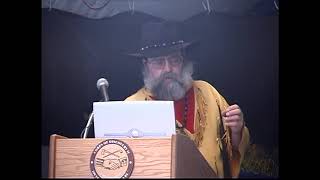
good afternoon ladies and gentlemen welcome to the ten voices in the qu Discovery 2 tell you guys a little bit about us if you haven't joined us before we are a traveling exhibit we've been traveling the trail since January of 2003 when we started out at oneill at Thomas Jefferson's home made our way Westward to the Pacific Ocean and next year we'll be doing the return trip back to St Louis we'll open up March 13th in St Helen's Oregon um as well U we call this the T voices because we bring in people from all over the country to do programs for us to tell ly Clark Story as long with the Native American story as well the over 50 different tribes they met along the way today we have with us Doug durur who's from the University of Washington and he's going to be talking about the classup and the halum living on the land so please welcome Doug hello and thank you very much for showing up today uh as was said my name is dou dur and I'm a researcher with the University of Washington I work with tribes all over the West um trying to document things like traditional environmental knowledge and uh historical knowledge knowledge tied to particular places on the landscape and I do this through the University of Washington through other connections working directly with American Indian tribes around the western part of North America uh through the University of Washington through the University of Victoria where I'm at professor as well of the University uh Victoria uh School of Environmental Studies and the classic theum though from here of uh the people who lived here are particular interest um because this is home to me here this is where I'm from and uh the part of my family where we have a written record they wash a Shore here in the 1840s and develop connections with the tribes living here uh they wash a Shore and actually take up homesteads here in Seaside just as ston from the large Village that was out here and so we had these long connections going back and so those con connections continue today and uh we know though that these these people who are here clap flip primarily but also the nalum or Northern tum people who were up here some of the time sh know people from up North they were here for a very very long period of time they learned a lot about how to live in this place and there's been a lot that we have learned we being people from the outside being my family being researchers had learned from these families uh about how to live here and how to live here well and so over the years the class of people the people who lived here in Seaside have been scattered in a number of different directions and today we have people who class of food went North some of them went up across the river and those people ultimately became hard of of what we now now know as the chinuk nation or the qual nation further north and we had people who got scattered to the South as settlers came through and started to move into the area we ended up going south and some of those people became part of what became the CET tribe the grand Ron tribe and the class of nalen people who are a mixture of people from different communities up in down the coast and so the class of people today have scattered the people who lived here the descendants of the people who lived here have scattered and yet they're still around in fact I'd like to ask if there's anybody here who's a descendant of class of Chinook people anybody interesting first talk I've given in a while but we haven't had a few of those folks here there are a lot of them around and even though we tend to think about these people having disappeared this is what you hear in all the textbooks the truth is they survived and they adapted they married into other tribes but they also married into the white families coming in from the outside and they became a seamless part of the community and today ironically when I do the numbers I see that the uh the number of people living today who are descended from the communities right here in the seaside is is larger than the number of people who is here who were here when Louis and Clark were here they have more living descendants today that doesn't mean that the the class of people are all uh living exactly as they did 200 years ago but they haven't disappeared theyve become part of a much more complex sort of social fabric like there and so I've had the the uh privilege of working with a lot of their their elders and working a lot with the written materials things that their grandparents and great grandparents told people who were passing through the area and so it's on the basis of that information that I talk today uh about the history of this very immediate area here and this way of life that has in some ways been swept away even if the people themselves carry on today but I think it's very important if you leave here to to know that at very least these people haven't disappeared it isn't an extinct people like you're reading all the textbooks we really have descendants all over some living here in Seaside some still practicing certain parts of their cultural tradition but that being said I'm going to talk a lot about people as they lived in the past I'm not going to talk so so much about how modern day Classics drive around in SUVs and go to the grocery store and do things there though that's what they do but instead talk a little bit about just how these people liveed here on the land we know that there were several large villages right here in the Seaside area right along the title Flats right along where the estuaries are and the people of this area fundamentally were people of that Estuary and in uary is a place where we have the fresh water come down and mix into the ocean and you get water that's a little bit salt a little bit fresh all mixed together and you get all kinds of things happening there that's where the salmon first come in and where you can catch the salmon that's where the clams are all the different clams of plats of people here survived on are all found there in that Estuary a lot of other fish that you don't hear as much about the flounder they had distinctive ways of catching flounder right out here you got out in the mechanic Estuary in the mouth there you can see all that those shallow areas and the flounder used to be thick there and the some people can still remember seeing their grandmothers go out and catch those fish by coming up and jumping on them you can actually get them because they're nice flat fish and so you can catch them under your feet and you can hold them until you can reach down to the SN one and so there were all kinds of things like that to be found there the roots that grow in the tide flat almost everything that grows in the tide flat had some traditional use and unfortunately this time of the year there isn't a lot of those things out out there there aren't those things out there to see on the landscape I try to gather plants to show you and most of the plants I wanted to show you have turned around and washed away because it's the wrong time of the year um and what this means too is that even though Lewis and Clark were here at this time of the year observing things very carefully they missed a lot because they were only here for a narrow period of time which is ordinarily a very wet rainy period of time I'll have to take my word for that and so all the things they needed really were clustered around that Estuary we have this the SLO Edge grows on the SLO right on one those title Flats also called the basket sge people use this to make basketry and The Roots can be used for that but also these pieces can be stripped and woven together and turned into nice mats and that kind of thing so part of why I'm standing down here is so if anybody's interested you can hand these things around so you can get a feel for them slle Edge that's right or basket sge carrots of nuta for those who are taking notes it's a uh a plant that grows all over we have a couple of types of SES that grow in side plats and the roots of these to this day there are some tribal Elders who still take care of these plants they go into there and they churn up the soil around where these plants grow they pull out only the roots they need and then they turn up the soil some more all around the perimeter what that does is it allows those roots to expand without a lot of friction without hitting rocks without hitting solid dirt and what that does is make nice long long roots and those roots are the best ones to use for making baskets and so there's a lot of that kind of knowledge that still persists today the tops can also be madeit into various things too but uh there's that management of the land really is tied to taking care of those roots making sure that those work a lot of food plants can be found there in the tide Flats as well one that I can't show you here but which is all over is a plant that the Halen people at least we know I don't know what it was called in classa but the Halen people called it Yeta and it's a root that uh comes up has a flower kind of like a buttercup and you'll see it out in the tie flass here if you know how to cook the roots and this is about the right time to gather it tastes just like a sweet potato and it was one of the primary starch foods that was going to offset all that sand and clams and everything else that people laid here very important plant and when you go out at the right time of the year and you look out over those tide Flats it's like it's like you're in your SUV driving to the grocery store it's everything you need out there you have all the plants to eat all the plants to make your baskets all the plants you need to do med medicinal work all those things out there on the tide flaps and there on the tide flaps too people traditionally fished around here and up and down this Coast we have some hint of what the how that worked there's one Elder I've had the opportunity to work with Joe scoval who's who was one of the last people raised in the community that was sometimes called squat town hobsonville down on Northern T Bay and uh some of his ancestors came from the village here in Seaside but by the time that the 20th century rolled around a lot of them were moving north and south and these people went South down to till Bay and that family has stories about how the hereditary Chiefs in that Community would take care of the fish as they would come up through those tide Flats they had strong beliefs that these fish were sensient beings like ourselves willing to make the decision to come up and and to give their life so that we might live here and so they didn't want to disturb that they didn't want to offend the fish by catching too many fish by using the fish wastefully and so the hereditary Chiefs would walk up and down the long Shoreline as people were fishing and they would regulate that they would tell people when they were going to set in the Nets they had they were going to they would tell people when they would stop fishing when they would pull those Nets out when they would stop fishing because they knew that they had reached a point where they could take care of their own needs for food they could take care of their needs for trade but they weren't going to take much more than that because they knew that if they did that according to their Traditions the fish would choose not to come back not so much because you would overe exploit them which is how our modern day resource managers might try to explain that same thing but because the fish had felt violated by that that has overstepped our balance that out that gone outside of our relationship that we have with those fish and we know that probably over a very long period of time these people had the opportunity to witness cause and effect they saw the people a couple Villages down catch too many fish the fish don't come back much after you keep pulling out too many fish year after year after year and those fish don't come back and you learn that and that becomes part of your oral tradition part of your stories that you then pass on to your children and to your grandchildren to make sure that they're okay to make sure that not only do you maintain that relationship but to make sure that your family survives that they have food to eat in Generations ahead so it's important that that knowledge gets passed along Within These traditions and in fact doing the work I do up and down the coast has been amazing for me to encounter a few I worked with a few Elders who were raised very traditionally raised by families where they didn't speak English raised by families that intentionally went out of their way to not teach the children things about the outside world and uh I I've sat there with Elders who who are just from a little ways up the coast speaking in broken English about how their great grandparents taught them that there were certain things to do with the fish one of the things I do in addition to working with tribes as I help with salmon habitat restoration work and we know that we can take very good care of those streams we can stop all the fishing we can make those the water quality just perfect get everything right and still sometimes the fish don't come back now one of the reasons the fish don't come back is because if the stream has lost all of its salmon there are no sandon carcasses in the water to feed the little bugs and if there are no little bugs there's nothing to feed the fish it's a very interesting thing salmon leave here they're little tiny fish like this they swim out in the ocean they come back like this so they're feeding on things out there in the water shrimp and little fish and all of that stuff that they accumulate in their bodies comes back up with them and it comes into these streams and they spawn and they die and their bodies are used to feed all the little things in the Stream we found that hundreds of different species depend on those carcasses for their survival and one of the species that depends on those carcasses for their survival are the young salmon themselves because they eat the bugs that eat their own their own family and so we have now gotten to the point of sem habitat restoration where we take carcasses from places like uh Seafood operations take those carcasses and put them in the water and the fish start to come back because there's something that you're getting the nutrients kickstarted within that system and so it's fascinating me to work with tribal Elders who say to me and again great grandparents born in the mid 19th century who never heard anything about this modern science they will tell their grandchildren we've been told that we have to put the carcasses back in the water we do that because the fish need that so they can come back their physical body becomes part of the body of the Next Generation if we don't do that the fish won't be able to come back and if you don't do that they'll be offended and they will refuse to come back and that's interesting because this is Cutting Edge science I'm talking about with this fish carage stuff and here we have confirmation of voice coming in from the 19th century to tell us how to do it right and for me that's exciting because I can take that back to these resource specialist water day scientists and say look what the tribal Elders are telling us they're telling us we have to do these certain things in relation to the fish and most people who come from a natural resource background think that we're going to tell them well you have to chant certain words and spin in circles three times that's not the kind of knowledge that's coming down to me from these people it's very practical knowledge it's how do you keep your family living how do you survive how do you keep your children alive how do you keep your grandchildren alive so that's the kind of knowledge that gets passed down through these oral Traditions it's a form of scientific knowledge but it's being passed down in a society where you don't have writing so you teach children these things at the very early age and teach them how to navigate those things and to survive also down here around the uh well I'll double back to that point a little bit I think that that's an important point in terms of how to navigate and how to survive but I it should move up now from the title Flats move up a little bit higher the edge of the title flats that area between the ocean and the big forests back here and we know that the people right here in this area class of people T people Cho people all took care of the land in various ways and one of those ways was to burn the plants out from along the edge of that contact point between the forest and the tide flats and we know that the areas around the perimeters of the big Villages as you went further out those areas were full of good berry picking areas areas where people took care of those berry patches and made sure that those things grow well a lot of the berries that you find around here will do okay they will survive if they're down under the forest canopy but they're not going to thrive they're not going to uh put on many berries they're not going to really do uh put out enough berries you can actually feed your own family and so what we see here is that there's a tradition of burning the edges of the forest going out and starting those fires and clearing back those edges a little bit and so we have stories from the elders passed down about all around the edges of what is now Seaside as you go around back along the edges of the hills sort of in that area between the the tidle flats and back in the trees all that area being excellent very picking at one time that was an excellent place to go buy a house I guess a lot of suburban yards there now bar picking areas are kind of few and far between but those areas were very very important and there's still places around today where you can go and see evidence of that if you walk across the land here in Eola Park there's some some little areas where you'll still see berries growing and it seems strange cuz the forest should be covering it but it's not Forest is back a little ways now the forest is moving in slowly taking over those areas now because nobody's taking care of that land but you can still find those places nion Mountain you go a little further south in oswal West State Park South of us here as you drive through that area if you're heading south along the highway 101 you look back on the south side that Hill slope still doesn't have many treats on it trees are moving in fast because nobody's burning it anymore but that whole hill slope used to be burned and there are excellent places there still to go pick thimbleberries and things like that because people took care of those places for years and years and years and years knowing that those plants would come back up also in those areas where some some plants like Camas I wanted to show you one of those but you know there's one of these plants that was said to be among the most important in the diets of all the people along the North Coast it's a plant that's very pretty it has a blue flower that comes up in the springtime and it's so pretty in fact the gardeners buy it now have both catalogs right there with their tulips and they put those in their yard and those blue flowers come up and they they're spectacular they come up for just a little while and they go to seed and drop back down and the bulb is edible and if you can bake that you know how to do that right it's very sweet very tasty and a lot of the elders around turn of the previous Century reported the Anthropologist coming through that the cus was their most important one of their most important plants right up there with that YCO rout I was telling you about on the tide Flats had also this plant grew right along the edges sort of wet margins where people were burning to take care of it and why I have all this buildup to tell you about this great ch plan just because I can't find you any to show you anymore because they were taking care of it and nobody's out there anymore taking care of it nobody's burning those places to keep the forest back and the places where it was growing have also been built over and today canas is an extremely rare plant on this part of the coast it's it is rare enough that people say from The Nature Conservancy other organizations that take care of rare plants be kind of excited when they see it around here it's a plant that's been rapidly disappearing in and yet 100 years ago Elders were saying they remember remember it was a staple plant they knew all about how to dig it where you could go get it fields that used to be full of it early explorers coming through here describe these Meadows and blue flowers in the springtime that were spectacular and without people taking care of those places without burning back the forest vegetation along the edges and people coming in building over the tops of those places bringing in livestock early on pigs love camet that get in they boot up for those C bulbs they dig up the ground and they heat up big patches and in fact in some parts of the the Northwest settlers coming in and reoccupying those C patches actually started off Wars there are fairly significant battles that took place in eastern Oregon when tribes Chas plots that they taken care of for Generation after generation were being uh occupied by people coming in with livestock for the for the outsider they would see those things they' say what a great Meadow it's a nice natural spot I'll set my set my animals Lo not realizing what kind of investment of Labor and personal energy and all those things that went into that particular piece of land that looks so nice it looks like a nice natural Meadow H the WAP the WAP that's a good question the WAP doesn't really grow down here on the coast it grows a few of them grow here on the coast but the big WAP grounds were further up the Columbia River the WAP is a fascinating plant and even though it's not from this area I'll go ahead and tell you a little bit about it because it's so close that's right and it was available in large quantities to trade from just up River the real Central core of WAP Gathering along this entire Coast is the Zone from about Portland to Long View what some people call wapo Valley historically that's another plant that's becoming increasingly rare although here and there on his is like savi's Island outside of Portland you still see WAP growing in some of these natural little SES and WAP it's actually um Chinese food you have uh little white things um waterest is it relative of that uh Sagittarius they're both the same no but they're both the same genus and so if you want an idea of what that's like it's kind of people call it the Indian potato around here sometimes but it's the same it's the same basic size little round bull blet that grows in Wetland areas uh up on the Columbia in fact it grows it likes a very specific kind of wetland area which is a real interesting thing it's one of the things the science books I was talking about estuaries here were the salt water all mixes and textbooks never talk with you much about intertitle freshwater wedings but that's that's in fact what the wapo really likes cuz the Columbia River it hits that incoming tide and what happens is you get salt water in the mouth of the Columbia River but the further up you go you no longer get much salt water but what you get is the tide still affecting the river level so the river all the way up into Portland is going up and down and up and down with the tide even though there's no salt water that gets that far up and so the WAP is sort of uniquely suited for that kind of environment where you have the water levels going up and down and up and down it's actually a plant that can grow right in the water so you have to Buble it in the mud and then a long stem coming up in the leaves and a pretty little white flower up on the top and those were gathered by the chinookan people from just a little bit up River and Classics down here had families up there they had kinship ties to the people all the way up the river and trade ties and everything else and so they traded things down here that they had for wapo from just up the river they were they were slightly different people but they spoke more or less the same language and uh they had these kinds of connections and so people down here for example would have things they would gather whale oil was an important commodity and seal meat and seal oil things you can get down here along the Waterfront they also me very good canoes down here sometimes those are traded further up River and they would trade those for a variety of different things and WAP would be one of those things they could get also for that matter some of the people from down here here seem to have had uh kind of de facto plant Gathering rights up River because of those Family Ties and so they you actually hear stories clear into the late 19th century of people jumping in canoes from all the communities along the coast and going up the columia both to fish salmon at some of the falls all the way up to uh Bonville solo area but also Gathering wa as that came back down through and so it wasn't a plant that really grow grew much here here but it was one that was close enough and they had access to so it was a very important part of the trading economy here and those car pick up on that um it's also a very good plant to store so most of the plants that Louis and cl are talking about they're not actually seeing people out Gathering much of this stuff because it's the winter time it's not the time to gather berries it's not the time to gather most of these plants but they are seeing those plants coming through and those WAP are being traded all up and down the river all through the winter time taking care of people so okay right it can be propagated here yeah it does well in we setting so you can put it if you have a pond in your yard you can get some going a nice muddy base if if the water isn't too stagnant you need a little bit of flushing and then I'll go further back up into the mountains and come back down for a while and then we can open up for more more questions here these are good questions but taking things up further into the mountains some of the big mountains unfortunately we can't see it here but if you were to just walk out anywhere Seaside look up you can see these big mountains all around here we have CLE mountain and we have Sugarloaf Mountain and we have onion Peak and we have Angora Peak these are all these this Ridge of mountains about 3,000 ft high at the tops going more or less from Northeast to Southwest terminating hitting the ocean where the a mountain is and the tops of those Peaks are high enough that everything's a little bit different up there and we know that while I'm talking about the people of this part of the world spending a lot of time down along the tide flat spending a lot of time around these estuaries certain times of the year summer being a good time to do this people Tre further up into the mountains and up there you have plants that you just don't find down here in fact there are some plants that are endemic to the tops of those Peaks right up here you don't find them anywhere else on Earth because they're completely isolated from other mountain ranges all around this area so they become completely isolated but people would go up there and gather plants for medicines they would gather a certain kind of grass be grass that's especially tough and sharp very good for making real rigorous baskets real tough ones also people would use that for making designs on bask B because it takes D well so you can dye at a certain color and do all the ornate basket work and up on these ridges along the Coast Range here people also went up and um well gathered onions onion Peak is called onion Peak because of the fact that the whole side of that thing it's all private Timberland on the way up there so it's hard to go look at this but you stand at the base of some of these Baltic outc crops that go up 500 ft above your head and it's real rough and each little pocket on the side of that rock has a little bit of dirt and each little bit of dirt has an onion going out the side of it it's a pretty cool spot and people would go up there to gather large quantities of these onions which are can be eaten just like our own onions the top meat like green onions little bulb can be used like a wet and so that was being gathered up there but also there were hunting areas up there elk hunting areas and uh we even have stories about people going out and hunting the ridgetops kind of like you hear about the Buffalo further east people would actually flush those elk off the tops of the cliffs chase them places where they knew they would have to go around some Corner around another rock and then oh there's a blind corner there that goes off the edge of the cliff and people knew where those things were and they would chase the elk over the edge some of those Cliffs are actually high enough it's hard for me to imagine hard for me to imagine picking up the elk at the bottom but that was done and also up the tops of those mountains you have a lot of different places that were being visited for ritual purposes as well a lot of other important places like that a lot of stories tied to each one of those Peaks and so all of that was part of this continuous process of using the land year after year going in these Cycles going to these different places and taking care of different areas as people move around and so each part of these Journeys that people would take across the landscape cumulatively provided them with all the things they needed all the food they need all the medicine for the clothing they needed and so forth and so I may actually um cut things a little bit short here I do want to get into to questions and I also see the executor showing up but um I should say though as a closing though that this all this knowledge I'm talking about I guess it's it's interesting people talk with me about these kinds of tribal traditions and are they relevant today and I I they often seem to think that this is kind of antiquated stuff it's something out of the distant past but like I'm suggesting there are a lot of things can be learned from this sort of knowledge we're looking at uh ways of taking care of the fish we have stories about simple things that seem fairly basic to us and yet they tell you how to uh how to take care of your family I was mentioning the importance of of not overe exploiting the fish because of not not just the sort of big cosmological concern about the fish but because of the Practical necessity you need those fish to come back you need to maintain that kind of relationship with those fish in order to keep yourself fed we also have stories about uh for example tsunamis here there's a story about um about a tsunami takes place down near Indian Beach or uh ecola Point down south towards can Eola Park that area about a tsunami coming in and there's a the place called the baskets there a lot of lot of rocks that look like overturned baskets if you look out there from Nia point in Nia State Park and the stories describe people seeing all of the the water is sweeping out and we know now having seen what's taking place with tsunami is happening around the world we know that the water sweeps out first when a tsunami is going to happen that's the dip before the crest comes and so the water starts to drop and drop and drop and drop and you hear this story all over the world actually because there are different times in history where people see that happen and they don't know what that means and they get really excited because you can go out in places you've never gone on to before and so there's a story from who knows how far back I assume it describes a real event a real tsunami because it's so accurate but they describe that water starting to fall going down and down and down and down and the people in the communities down in that area we know there are several Villages down near can Beach get excited about that and they tell their young women look their muscles all over the Rocks it's a great time for Gathering because look at all those places can get to that you never were able to get to before and all the young women go out into the rocks and start Gathering and all of a sudden we see that wave come up and it sweeps up and we know this has happened many times before on this Coast because we find the sand we find the drift logs sometimes a mile or two Inland and that wave comes in and it takes them all and in the story then only a few people survive they go up up high and survive and when they come back down they stand on the beach and and they cry for the young people who have been lost they cry for all those people and if any of you know Canon Beach you know that one of the things that's always in the tourist brochures is as you walk over the sand it makes this squeaking sound as you walk and people talked about that is the crying Sands of Canon Beach and in this story they explain that they say those are the crying Sands that's the sound of those people crying for the people that were lost out there in that tsunami and when you tell stories like that to young people you don't need to drill them on what to do in the event of a tsunami when you tell young people stories like that you don't have to worry about them getting excited and running out to check out what's going on down there because they have this powerful lesson and not only do they have this powerful lesson but every time they walk up the beach they're thinking about that lesson they're hearing that sound in that sand they're being reminded of that story you've told them and that's pretty powerful because it teaches people how what to do and how to survive and we know that because these tsunamis do happen every 3 500 years in this stretch of Coastline there are times when you actually have to worry about that when suddenly after maybe a whole generation hasn't seen it that water starts to drop back and I tell you that now I tell you this story coming back from who knows how many generations of of class ofum of people you see that water dropping keep that in mind and get get to High Ground so that knowledge is passed down in that way the knowledge has passed down in other ways and one of the things when you go to boy scout camp they teach you around this part of the world you can always eat the blueberries find a blueberry out in the wood is almost always edible white berries you don't usually want to mess with those and in fact in the oral traditions of the tribes right here they talk about the white berries as being the berries dead people dead people who died eat those white berries that's their food so you don't mess with that and then as your Todd in Boy Scout camp those red berries you kind of have to know your berries some red berries are good some red berries are very good some red berries are poisonous or at least when makeing very sick and here too the elders came up with a way of dealing with this he tells stories about Helo around here the wild woman kind of like zonaa North uh if you know that name like a Bigfoot character but a woman sharp teeth sticks mos in her hair extremely strong extremely strong and dangerous and liable to even eat children and there stories say those berries are hello berries all the berries that are red out in the forest she thinks are hers and so you never eat those berries in the forest if you're out in the forest walking around you don't just pop one of those in your mouth the only place where it's safe to eat a red berry is if you take all your berries and go back home with the rest of your family inside your inside your long house that's the safe place to eat those berries because otherwise she's out there in the woods she'll see you eat her berries and she'll get upset and she'll come after you but what does that do effectively that makes sure that every time that little kids are out in the woods Gathering red berries they don't just start eating them randomly out in the woods they bring it all home where their parents are where their grandparents are to watch what they're eating to make sure it's okay so a lot of these stories too you go through and read stories in in collections of tribal tales and it's like well that's what's this crazy stuff about some wild woman who likes to eat children and thinks the red berries are hers that's that's crazy but the more you look at this stuff the more you understand what actually out there on the ground the real hazards to children out there on the landscape that's where this stuff is coming from and a lot of that stuff is pretty sophisticated it reflects the fact that people spent generation after generation figuring out how this stuff works and then how do you tell children something about that or how do you explain to your community about that in a way that's going to stay with them that's going to remind them that's going to keep them safe for generations to come and looking after those those children and grandchildren and so I think that there is a lot that we can still learn from this oral tradition and not just the tribal people although for them it is an important part of their Heritage but I think that this oral tradition you know the class of people when Louis and Clark came here we know that they were very good at sharing they took good care of their guests they kept an eye on Louis and Clark they made sure they had food coming and going and and uh they did the same for a lot of families they did for my family they did it for all the different explorers coming through early on you know and I find today the elders who are still Tred tied into these Traditions are happy to see the rest of us paying attention to them because it's we all live here now we all still we live in this place we share this landscape with the people who lived here for Generation after generation after generation in a way those mountains we see around us that walk in front of us those are the things we share with those past Generations as well as concern about our children concern about our grandchildren those fundamental human things and the point of view of these Elders is you now have to live on this land you now have to take care of this land too you have to take care of your children and grandchildren and so we can all gain things from this we can all be inheritors of this oral tradition reflecting generation after generation and experimentation having on the land having to deal with the consequences if you over harvest the fish if you eat the wrong Berry if you run out and the tsunami is coming in and now we are all inheritors of that and stories have been passed on to me verbally they came to my ears now they come out of my mouth to your ears they're all part of your knowledge as well so you all have that tradition as part of your knowledge too and so the old tradition continues and just as I said the classic people aren't extinct they have descendence all over so too their oral tradition is carry on but in ways they probably could never have imagined so anyway I open it up for questions I heard that did everybody else he was asking is there a time when youth are trained uh to tell stories and the truth is that storytelling is is a fundamental focal point of social life within the traditional way and that especially at this time of the year as we get into the winter and again it's hard for me to help you envision this because we're having W winter or we're not having winter weather we're having weather that's kind of like our Springtime but ordinarily we have and we will probably in a couple of days in fact if you stick around we'll have wind blowing wind often howling out of the South as these fronts come in off the ocean rain falling horizontally it's a very good time to go indoors and tell stories and for this reason actually one of the sets of stories I didn't even really get into today but it's very important in terms of this kind of teaching I'm talking about is a whole series of stories among the tribes about south wind who is in fact their trickster character uh like coyote further east or Raven further north south wind is here all the time in the winter blowing making your house rattle making the smoke back up and bow into your home and so you can't forget about south wind south wind is everywhere and south wind is the one in the stories who creates a lot of the land forms out there on the ground and teaches people about how to live and how not to live and he'll steal somebody's fish for example and then run down the beach ways and fall asleep because he so full he has to sort of sleep it off and he'll wake up incased in rock and he'll have to break his way out of that rock calling upon the the generosity of various people who just about had it with him and it's a long negotiation process to get chipped out of that rock so there those rocks are at the mouth of t m Bay and every time somebody goes in and out of that bay they're reminded of that story you don't take somebody's food like that without permission you don't take things that people and if you do you're going to spend a lot of time negotiating yourself out of a pit or out of a chunk of rock to come to the surface so that knowledge is all there on the landscape but the South Winds would be blowing all winter long while these stories are being told so a lot of this knowledge is being discussed being passed along around the fires in the winter time and in fact in this part of the world more so than in some other tribes I've worked with some tribes stories are told and then children learn those stories just by hearing them over and over again here there was so much of a premium placed on passing down the information very accurately that they would actually drill children sometimes in learning these stories line by line so that they would they would learn learn them wrot so that the next story teller would know those stories just perfectly and for that reason it's really interesting because I can go back to old archival accounts somebody interviewing One Elder in 1900 another Elder in 1930 and you can almost get the exact same wording boom boom boom boom boom and it's that kind of cultural knowledge we don't do that so much in our society with stories we do that with songs we can say oh what fun it is to ride in a one horse open sleigh but we don't teach children to sing well you know it's really great to jump in a sleigh and ride down through the snow with a horse one his best kind of fun you get that kind of Rhythm to it and and those things stick in your head and so that's the way that those things are being passed on to the children but it's really from from infancy on they're being exposed to these stories and then some stories being told out on the landscape when the landscape feature is there that story is tied to that landscape feature but an interesting thing one last thing I should mention about the south wind stories is that there there was a belief that you shouldn't talk about south wind you shouldn't retell the south wind cycle out of season because you'd be inviting Misfortune you in fact would cause it to go back to wintertime because that's a wintertime story so you start telling South Wind Stories the wind may go south on and you'll be uh having to puddle indoors again because that's that's the time so many questions here question how long does the uh did the waves stay out in a tsunami before they come in how did they have enough time to go out there and and Fiddle around shelves you we don't have a geologist or do we have a geologist in the crowd it's a few minutes few minutes not very long and it depends on the the size of the wave and the variety of things but it's a few minutes I heard from an earlier presentation the importance of the cedar tree that's right and I was wondering if there's any Traditions you can share in terms of relationship with the either Force management Cedar well that's that's a good point I brought along some cedar I brought along several pieces of trees people thought I was going to give like a wreath making demonstration or something but all hand this these are two pieces of Cedar uh gather actually gathered right in the middle of an area that I know was in a halem cedar Gathering area at one time the cedar trees there there's so much there I could do a whole separate talk to on the cedar trees because cedar trees were the source of the wood for the houses the canoes the bark can be peeled off and if you pound it just right and soften it up the fibers come loose and it's almost like cotton you can weed things with it uh you can weave baskets and hats and all sorts of things The Greenery has medicinal uses and so almost everything uh that a person might hope for in terms of material culture in terms of those items you want to make for your living are found in a cedar tree and there were a lot of different relationships with those cedar trees that are worth mentioning I'll just T touch on a couple here again just like fish the traditional world view is that these these cedar trees are they they give themselves willingly so that we may have those things and so people didn't kill cedar tree unless they absolutely had to and so for example around here people would take planks off the sides of the trees without killing a whole tree or they take cedar bark off the side of the tree that's actually possible you can come up to these cedar trees and up in British Columbia I'll still find places where people still have done this recently enough you can find the scars on the side of the tree you can come up to the side of the tree put in some wedges hit them up and it has such a long straight Rin that starts to split off the tree a little bit and because these people had a lot a lot a lot of patience I guess you say the tree sways back and forth and over time that splits a little bit and then maybe come back the next day and boom notos wedges up a little bit more and that tream keeps doing that until finally pop they take off that whole plank cedar bark is the same way you're going to make clothing out of it you only take what you need off of one side of the tree and over time that cedar bark closes up the tree heals that up it takes a long time that that can be done and if people were taking these things there actually certain things you apologies you make to this gear streak saying you know I'm sorry I'm doing this to you but I really need this for my family and we'll do this respectfully and we'll still takeing care of and take that stuff home I should also say that the the cedar trees for the canoes and other Woods where you really needed good strong wood people would often go way up into the interior it's another use of the mountains I didn't mention even though there were cedar trees down here people often went way in Inland because the cedar trees growing on the real Rocky higher elevation areas they had to struggle they grow slower because it's colder rockier and what that means when it grows slower is that the Rings are tighter less growth each year less build up new wood and so from a if you're a canoe Builder that's a good thing because that means you have really tight grain wood very strong wood and so people would actually go way in the interior and chop these trees down I work with one Elder up north who still remembers doing this with his grandfather where they went clear up a mountain and they knocked over the tree and then it hangs up on the brush and they chop the brush and it takes about a day and then the tree slides halfway down the hill you go down the hill and they set have another base camp they clear the brush there out of the way Push It Rock it and pretty soon it slides the rest of the way down to the water front and then they can start working on cano takes two or three days to get that log down to the water and then they floated down the river down to the village where they work on so that wood was the premium stuff and there were stories that children would be taught again about these plants which I won't even get into but there are stories about the cedar trees at different times and the spruce trees and all the other trees when they're still speaking being asked actually by that same Wild Woman character you know uh she has gotten her face tattooed and she wants to ask them what what they think of it of course she's pretty horrific looking anyway and now she's got her face tattooed and she asks each of the trees in turn what do you think of my new tattoos and henlock tree which I don't have here has the bad sense to tell her what he really thinks and she says in the future your wood is going to be totally useless when winds blow you fall right over nobody will make medicine out of you you're not good for much of anything but cedar tree has t cedar tree knows what to say he says I think you look great this is always the right answer isn't it he says I think you look great with that those tattoos and she says very good and you're going to have strong wood in the time to come when people people are here this is before people arrive people will make canoes out of you they'll make medicine out of your out of your Greenery they'll make clothing out of your bar and you'll be honored by all these people who will show you this kind of respect and so same thing happens with Spruce this tree is everywhere around here Spruce very Pokey I'll hand these around Spruce also has a good sense to say fairly positive think Spruce is not given as many attributes as Cedar but Spruce it's a great tree and a lot of the uses are medicinal pitch very important medicine uh spruce trees in some cases people go and put ceremonial regelia in the branches because it's a powerful tree and you want those things out of the mundang world off the dirt off the ground and in some cases people even bury people up in trees up in the branches of these spruce trees with broad lateral branches sticking out and they laid those canoes or boxes right in the arms of that tree to take care of them so that's very Poky by the way I warn you that a lot of the native names for this plant up and down the coast translate to the plant that really really really hurts when you grab onto it so as this goes around before War that's why I've stripped the stems for you this will be our last question okay can you give us a glimpse of what it was like for families living in the long house seasonally how it would change yeah the the long houses around here they varied in size a lot there was the winter long house where the larger families gathered together and those were all made out of these big cedar planks they were often big open rooms some of the really big ones were as big as this the interior of this tent and you'd have extended families in them often two or three fires in a row down the middle some kind of large broad bench structure around the perimeter which served as sleeping platforms and often there were places to store things underneath that over the top of that and so forth and then there were rooms often partitioned off with small poles and uh woven Maps made out of various grasses even sometimes these guys and so you have whole extended families there in the winter time you it's sort of a combined residential space and storage space because there's so much it it's not the time of year when you're Gathering food it's the time you're living off the stored Provisions so there were boxes all over often big what they call bent wood boxes made out of sear planks that will be taken off the tree heat it up and then bent so that you take a single Plank and you bend it and you bend it until you get a box and then you put the top and bottom on and you get a nice wooden box and people will be living off out of the food or off the food in those boxes and those boxes would be decked out on those platforms and under those platforms and above those platforms around where people were gathered and so in the winter time people were living off of those telling the stories around the fires and holding winter ceremonials often when the biggest homes which happen to be the homes of the more powerful families um we're hosting potash kind of events where they're exchanging goods thank you and uh and also um sham shamanistic uh work where they're going through and bringing in shamanist new healing work and that kind of thing in the winter and there as we get into the springtime people begin to mobilize they go to fishing places and plank Gathering areas and so there fewer people there at the at the larger houses but then you have temporary encampments smaller houses um there are temporary encampments like this that used to be all over the place and you can still see where some of them are as you walk over the landscape um and some of those were they look like shle simple shed structures often like the size of a garden shed sometimes where you have a family just sleeping for a couple of nights uh doing some fishing doing some plant Gathering maybe a simple shed slope like this rather than like this and um and they would move around between different locations where they had fishing stations and so forth and then people moving up into the interior as well sometimes in the hottest days of summer people sleeping out with kind of mat coverings again those woven mats being used over pole Frame Works way of the Interior fishing stations and so forth in the big Villages though at that time people would still be there um sometimes people would pop the boards off the roof so you got better areation and uh sometimes if people are going to go for a major fishing junket they might even pull some of the boards off and take them with them to go lean up to make the walls of the other structure they're going to live in so they'd actually pick up those boards takes a lot of work to get one of those sear blanks off of a tree so you don't just have you know a bunch of them here A bunch of them there a bunch of them here you sometimes have to take some with you to to go where you want to go and so in those different places you'd have smaller groups of family and then in the larger house you'd have a few people still hanging out usually elderly children those kinds of things Sing close to home and then as you get into the winter time then everybody begins to regroup and sometimes people who haven't seen each other for quite a while for weeks or months would regroup and those extended families are back together in a larger village where they spend the year rest of the year say we're out of time we should be questions for Mario stick