Tent of Many Voices: 11280503TMB
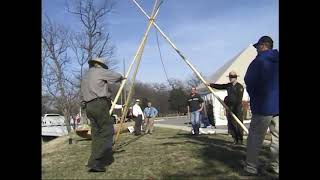
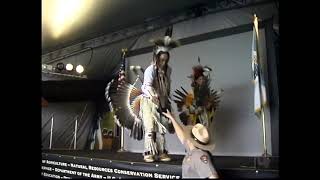
well good afternoon and welcome to the tent of mini voices and core of Discovery 2 uh core Discovery 2 is a national traveling a multi agency Federal exhibit about the Lewis and Clark expedition it has a a partnership among many different federal agencies see many of them listed on the stage here the national parks service is the lead agency and those of us you see in uniform that are traveling with as exhibit work for the National Park Service what we do here in the ten many voices is we bring in a wide variety of presenters to share with us some different aspects of that Lewis and Clark expedition 200 years ago but also to look at the history and culture of all those various American Indian nations that we're living here for thousand thousands of years before the arrival of Ls and Clark any the other Europeans or european Americans and we have with us a representative of one of those American Indian nations we have Sam Robinson he is chinuk he's a chinuk council member and he is a longtime resident of Clark County he's also involved in the Planning and Building of a let's say for me one more time cotal plank house cotal plank house and he is going to talk and share with us some of the history and culture of the chinuk people so let's give him a warm welcome here to the tanam voices behind my name's Sam Robinson my father was Scott Robinson his mother was Dora Clark her mother was Annie Hawks her her father was John Hawk and his father was Tom Hawk huwel who who was a signer of the 1851 Treaty I like to I like to say this because uh um you know in Indian culture we really take a lot of pride of tracing back our history because for a long time in in Indian Country we were forced to forget a lot of our history so I like to talk about that who who were the who were the chinuk people you know the chinuk people they existed on this Columbia River out here and uh um oh these are some of my snapshots I thought I'd entertain you guys with anyway the chinuk people that existed along the Columbia River all the way from the Dows to the mouth of the Columbia River down the tilok up into the wiipop there was there was about 11 11 different tribes along the way and some of them you probably heard of you know up in the Northern Area you know the Wasco the click attack the molomo the wamit and the Cascades and a lot of those tribes were seated through treaties to uh uh to the warm up to the Warm Springs and and in the aamon and down into Grand Ron I myself today as a council member for the CH Nation I represent the uh the five Lower River tribes the clat the cath lamut the wiipop W kayak and the lower chinuk people we have about 2500 members there today the chinuk people they're they were pretty dominant to the Columbia River they they lived in plank houses because of the uh uh they didn't have to travel the river provided for them it provided smelt it provided sturgeon and steel head it provided Transportation so we hung along the river and we made our domain in the river it was uh one of the uh quotes that I like to use is Dr Steven Beckham from Louis and Clark College was our ethnic historian and he he uh did an interview for an article in the Seattle PI it made me proud when he said that uh the chinuk people were the the oceans of America you know because we knew how to uh manage that River just like the Pharaohs did their River and we have many many of uh Chiefs that along the river that that controlled it you know the Chiefs such as casino and and tomcin you know pre contact you know with the chinuk people you know we uh we were powerful back then because we did a lot of trade off the river to Indian tribes that were uh up in the desert area would come down and get fish oil that we had prepared and uh um and traded we traded for elk and and so forth and down to cotal Village down there it was thought that uh um Dr Ken Ames from Portland State thought that uh from their findings that the chinuk people were probably manufacturing armor made out of el tiddes and there was trading that as far as Northern California so there's a vast trade going on in you know with the chinuk people and then Captain gray in uh uh Captain gray came into the river and then the whole new world of trade opened up for us you know and all of a sudden we're getting things like iron and copper and and of beads and things that uh people definitely would want outside of our area so we were controlling all that Commerce in and out of the river and the chinuk the chinuk nation or the chinuk chinookan people along the river became so popular that other tribes outside the area would actually want to uh uh want to uh marry their daughters into the tribe for the endowments because there was large endowments that were arranged amongst the CH people so they would actually flatten their daughter's heads flatten them back so that they would look Chinook and and to make them more appealing to the Chiefs so they could trade him their daughters into the into the tribe so they could have that connection with all the power that was going up and down the river and then of course in by the time Le lwis and Clark came in we've already been doing a lot of trading you know so when Lewis and Clark came in and they said you know we looked at these guys and they didn't look any different than anybody else you know the other people were coming up the river the only thing differ these people were going down the river then actually they looked a little pathetic you know and they didn't really have anything we wanted you know they came down and they were they were pretty down on their last maybe 10% of trade items and so forth and and it was just uh he didn't have anything we wanted you know so we just kind of let him go on by you know by the time went to by Ridgefield you know a cotal village there The Village had 14 plank houses um but maybe about 800 people living there and we were wearing BB overalls and British jackets and we had Firearms you know so we were pretty seasoned to the trade but we didn't let them start you know they got they got hunkered down in that dismal Niche and they thought it was the end of the world you know for four or five days or were hunkered down there and they kept many attempts to get around that uh around the dismo niche you know and uh they thought it was the end of it and then all of a sudden a chief from the C Lam Chinooks comes paddling across the river he's standing in his canoe and he's coming to trade give him food and uh they they just they couldn't believe it you know first thing they thought that the canoes were magical and I tell you from my experience I think those canoes do take care of us I've been out in that Columbia River in our canoes and I have a lot of faith in in in in those canoes there's one of ours that's sitting out there right now and it's they're beautiful we hope to have some larger ones here you soon but so you know we talked them in the movie moving over to for cl you know they made that famous decision down there at the station Camp whether to move back up here to Stevenson or move down there to where for clot up is and they chose for clup that might have been their mistake because they got they got a little moist down there but you know we we we made sure that they they stayed alive and we we we fed them well and and when when of course when they left they signed over the fort to the chin people you know so uh um Lewis and Clark you know back then you know we we help them out today they helped us out you know I mean it was probably about four or 5 years ago we didn't realize if we're going to even participate in this whole entire commemoration um Council we had a tough decision to make what are we going to do you know and my my thoughts were to the council I was new on the council so I was a new voice uh was that one thing that the Lewis and Clark can give back to us is enlightened people on the plight of the chin people let everybody know where the chin people stand today and where our battle's been for the last 33 years and so forth so there was something to be had you know and still the decision hadn't been made yet so one day we put a canoe out on the water and it was it was uh weather kind of like this maybe not quite as cold but windy not rainy but windy and choppy down to mouth Columbia River we heard there were some reenactors that going to make a trial run down the river and there Scott Mandrell and his people so we're curious we're curious about those people and um when we did uh we waited in they waited in the river had a couple fish we were going to gift our elders they never came and then we get word hey they're already on the beach they overturned their canoe about 20 mi up the river and they gave up so we came and we gifted them a fish you know and it was it was kind of a uh they didn't expect anybody nobody came along and gifted them anything so they weren't prepared to give back because it's always traditional to give both ways and uh gifted them the fish they had no way to prepare it so we had an elder there he's about 82 years old George leran pulls out a little pocket knife and he fets that fish out and Cooks it right on the beach for them and that at that time he had this bond with Scott Mandrell you know and Scott gets back to St Louis and he starts writing out he wanted to know who this George leren was and want to know where he lived and so forth and so George uh they finally got a hold of George and they when they kicked off in St Louis they FLW George and his wife Millie who makes wonderful baskets uh back to uh St Louis and uh it came time it came time for Jefferson to hang the medal on on Lewis there and stopped portraying Lewis uh stopped him and said George loger get in the crowd and he gives gied that metal to George and so there's that Bond today and then then they made a trip to Bay Center and they picked up a little canoe called Little Wolf that Georgia carved out for his grandchildren and uh um little wolf they took Little Wolf and Little Wolf followed them all the way down the trail until it got to the plank house and then they gifted it back to George and Millie then and then so little wolf made the entire journey and little Wolf's over up on the porch today you know it's a great little canoe George's got three other canoes in the works but they're almost as long as the stage right now 82 years old and he's still cares you know so and he's also got he's running cattle out there in Bay Center too it's it's just a great you know it was a great bond that we made that day and then we decided to move forward with the Lewis and Clark event and um and it has it has it every every place we go you know every place we put our canoes in the water people are happy to see us and then we we we feel good you know and then when we tell people of of of the uh of the tribe you know in in our in our plight well let me explain to you what you're seeing here but I was just going to put this up here for you guys to see as a backdrop I'll explain to you this is one of our ceremonies that you know in the last 5 years we decided we need to start bringing back our culture this particular ceremony here is our first fish ceremony and when you when you bring that first Salon into the river there's certain ways you need to prepare it and there's certain ways you need to treat the fish you know you uh you bring the fish up and one of the elders kicks the fish to kill the fish and then the children there they're Fe putting berries in the fish's mouth and feeding the fish and you honor the fish and then you cook him and everybody eats the eats from that fish and then when you're done eating that fish you put it back into the river you put the bones back into the river and that allows that fish to go back out to the into the ocean and let all the other salmon know what kind of respect that you've treated him with and they'll come up the river too some strange things have occurred you know we we've taken those bones out into the river in our canoes and you put them back into the water and we generally go out there on an incoming Tri tide so the water's always coming up the river so we don't get sucked out into the ocean and we've gone out there and you lay down the bones they're on some cedar bowels and they're floating there in the water you're just taking and lay it down well one year we just set it down and those bones just shot out like a rocket right back out to the ocean and the wildlife they're always around us too you know the eagles they come and check us out and the sea lions and the salmon so I think you know uh nature itself understands that the you know people are out there again and they really uh they they they like that we like that too this particular here is the opening of uh William Clark park it was a it was a great day and well how would you keep put it in anyway so so anyway so we we we decided to come out and we decided to go ahead and participate with certain LS and Clark events there were some of them that we couldn't because of the politics of it but uh um but uh in real reality I I was um my cousin and I we we put it up to vote that we would come in the court too and and tell the story and the council voted to allow us to do that you know and today you know um today one of our biggest battles for the tribe is to uh is to uh battle for federal recognition um um in 1963 1967 we uh we were going to go for some uh some aid for a few of our elders that needed some some Medical Aid and the federal government came up and told us you know U what you what are you talking about you're not a ferally recognized tribe anymore we're like what are you what are you talking about well there was a head of the diaa that decided he would go ahead and swipe over 100 tribes off the list of recognized tribes and us being a landless tribe was it was a pretty easy pick you know for them even though it took an Act to Congress to uh take us away and that never occurred but meanwhile they were they were gracious enough to uh create a process for you to go through to become recognized again and so we we went through that process for 26 years and uh only only to be turned down and then right at the end of a uh right at the end of the Bush Administration Kevin gr saw it in himself to uh take take a look at those the recommendations that were being placed upon his desk because he didn't believe that the research was done properly and he had actually hired an attorney to go through all the paperwork and they looked through all the paperwork and he called our Council back there and he said I want your Council to come back to DC I want you to be back here in 24 hours and I want you not to tell anybody that you're coming so it was a great day you know uh they went back there and had a big ceremony and people came in down from the house and the Senate and everything to witness the signing of the the chinuk recognition and then we uh my granddaughter and then we went to a uh a 90-day appeal process and uh with that on the 89th day of the 90-day appeal process on our federal recognition the corol tribe decided that they would go ahead and appeal appeal us and uphold our recognition and um so we we appealed it we won the appeal and then the qus stated nine questions to Gail Norton on whether the process was even a good process to begin with and upheld it again for another year and a half well Gary Johnson our chairman happened to be back in Washington DC about 3 days before Neil uh mcb's decision to uh whether to carry on with a recognition or not and he was there to kick off the Lewis and Clark and there was only three chair three chairmans from three tribes back there so we thought that this was this was a great sign for us that out of all these tribes that were along the trail that car was back there with George and Laura Bush having lunch only only 3 days before the decision came at the end of uh at the end of the uh week about 4:30 Gary's getting on the plane to come back and uh he gets a call from the the Bia and the B told they told him as they were close the doors that they turned us down so today this this lady right here she raised my my uh my uncle down on Goose Point Goose Point is a small village in Bay Center it was over over the over the uh Bluff it was down in some swamp land and uh the reason there was a village in goo Goose Point there is because we we refused to sign a few of the treaties some of our treaties were ratified therefore they they forced us off the rivers to hide from the from the military and when we went down onto the when we went down onto the uh uh into the wiip we had to hide in lands that nobody else wanted anyway but the good story about this one is that Philip might He he'll be speaking here in a couple weeks he he was raised by chicha his grandmother there and he didn't even speak English until he was 5 years old and went in the kindergarten but he still remembers you know ch and and living down on Goose Point and have a happy life you know it was a good life for him it was you know and he learned how to respect the land and he definitely uh she kept him working hard you know chopping firewood and and everything going there that's my great great great grandmother Catherine George she was a wealthy person she's wearing a lot of detali in there she's got a nice fourpoint huts and B blanket on that's that's my grandmother I was unfortunate I never was able to meet her but anyway so um you know we we we battle ahead but you know as a tribe for recognition but we we also we're proud we're not waiting we're not waiting for things you know I mean the triy we're trying to bring back our culture things such as Lewis and Clark such as the plank house you know uh really helped us bring back a lot uh the thing about the plank hous is you know all of a sudden now you're starting to learn how to uh uh use cedar again you know making Cedar houses you know making Cedar headbands you know gas GA in and so forth you know because the chunuk people that they were they were heavy on the Gathering they made they they used uh Spruce root from the spruce trees to weed baskets and that that Spruce Roots would swell up and and make you water type baskets so that you could cook in you know cedar cedar was the Tree of Life Cedar provided you with clothing in the inner bark you could weave clothing you could make canoes um you could uh make plank houses you could also uh uh they used it for diapers for their babies you know so I mean um there there was a a lot given from the earth there the plank house is a beautiful project I don't know if many of you have been out there it's over in Ridgefield at the Wildlife Refuge but a lot of a lot of heart and soul went into went into that building to build this this the replica I well I don't even like to call it a replica anymore I just call it the most modern chip PL house today cuz there was so much life in a plank house you know I mean the family's been gather in there during the winter and each house each house was actually a um you had a head of a household in there and there could be 60 to 100 people living in that house and he was responsible for the Health and Welfare of all those people in that house so he would live on the wealthy end of the house you know and uh he uh he was took care of everybody from his immediate family down right on down to the slaves you know that have been taken in from other tribes and it was warm it was cozy there was a lot going on there a lot of Storytelling there a lot of basket you being made maybe could be Nets that were being made from netts or uh a lot of stones and so forth to be pecked to make fishing wngs but we lived on the river therefore water water was everything you know we had no need to move off from the river and today we still would like to be stay on the river but a lot of our ceremonies like I said a lot of our ceremonies are first fish ceremonies we're bring like naming ceremonies we got three canoes that we've named just recently uh we hope to get more canoes on the water uh we're we're putting together a canoeing Society with grand Ron because there's a lot of chimin people in the grand Ron from this Middle River area and they're recent they're right now they've got a 35ft canoe in the works and and we hope to uh build a 36t CU we want to have a bigger one and um we we just recently paddled the paddle to ilwa you know it was our first time to being in the paddle and we paddled uh uh 9 days a little over 110 miles up through up through the sound and next year um we plan on paddling our second year we're going to paddle to maau and uh we uh the shortest route seems to be up the coast but I don't know if feno allow us to land on their Beach or not so we'll probably end up going up through the sound but uh it's great you know it's a great to be able to stop in every one of those Villages and you're accepted onto their shorelines and they they feed you and and there's a lot of drumming and dancing and just it's it's just a great and then you pick up the next morning it might be 4:00 in the morning you start paddling again and you're tired by the time you reach the shores but they take care of you again and you do this day after day until you reach your final destination and then they usually have about a three or four day party going on there today we exist down in Chinook down in the coast we we've existed in a uh I believe is about a 1926 School building uh we able to they've been able to provide us with a space down there for the last 33 years one of the hard things is right now is I know the school the school uh District down there wants to get rid of that building um they they don't want to turn it over to a large developer U they're hoping that the tribe can somehow come up with some monies to buy it but we don't have the money so we're hoping that we can work out some kind of a long-term lease with them it's not much we just had a commemoration event down there a couple weeks ago uh four days we've had a lot of free salmon dinners and and we did some drumming and ceremonials and talked about our culture and our past and history and it it was it was a great time had a lot of friendly faces come down we had a lot of people from up here a lot of people that I see up here every day came down to visit us and and uh just to just for people to come down and say hey w wow this is how you exist you guys deserve a little bit better than this and we said well this is just we're we're glad to have this right now we move forward you know I've had people come up to me and say well chin you're chin you got a casino I said no that's not us we don't have a casino in fact we voted in 1999 not to go into gaming you know had we had we voted going into gaming we may be fly recognized today but we we we didn't want to sell our souls to to become fly recognized we thought there was a better way to do that um but then then people are just just ODed by the fact that the you know the chin tribe is not a fairly recognized tribe because most of them say hey I've read about you in school you know and sure you're still there you you're in the journals you got to be around you know the Louis and Clark journals you know I said yeah you know but but we're not we're not we're working our way back I said it may take a a federal lawsuit or it may take a bill from Congress you know so I always promote the fact that if you see your Congressional people your Senators to you know lobby lobby for that chinuk recognition and I think with this Lewis and Clark this whole Lewis and Clark scenario it's really uh brought a light to the to that fact and more people are putting a little more pressure on the politicians it seem like politicians a little more apt to talk to us nowadays so I we really appreciate any of that that you can do for us we did a reenactment with a lady Washington out in Baker Bay and it was it was a beautiful day and they they they FL flew our F flag for us all the way up from uh Oregon all the way up into Baker Bay any day in the out on the canoe is a great day and any day drumming is a great day also we're going to be doing a reenactment this Saturday too um prob about 12:00 out here by uh by Hong and Larry we're going to do a reenactment with one of the long boats from Lady washingon do a trade reenactment weather providing of course weather probably won't bother us too much we don't mind the rain you not too bad that there is at uh chinuk Point down there by Fort Columbia um there's a Cove down in there where people used to sit down inside the cove and wait to watch the ships come up into into the mouth of the Columbia River so they could go out and trade trade was trade you know I mean we could like it refer to the trade and how we controlled the trade once once the first ship came through and we realized that they wanted they wanted those Furs we started stuffing those plank houses full with Furs you know and we start trading with the other tribes and really bringing them in there and in the plank houses there was there would be trenches or storage facilities dug underneath the bunks or Hind to the floor so um when Lou and Clark Ste into the plank houses for the first time down there at capotal they didn't see a whole lot going on as far as storage but there was a lot of stuff stored on the floor that they didn't see and uh so we would fill those plank houses full and trade out and build that Empire one of the one of the sad stories is that uh in about the 1850s