Tent of Many Voices: M08170502TMB
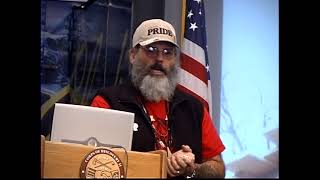
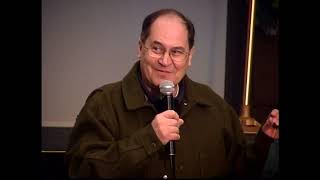
ladies and gentlemen I'd like to welcome you to the tent of many voices this tent is part of a traveling exhibit that has been following the Lewis and Clark Trail since January of 2003 the reason it is called the tent of many voices is because people come from various backgrounds various walks of life to tell their side of the Lewis and Clark Story it is a huge story the story of of men that went across this country a young woman that accompanied them but it's also a story of the people who were already here who had inhabited this country for centuries so with that said I would like to introduce you to our next presenter and this is Lois Tyler Nava and I would like for all of you navo to stand please and we'll have a word of Prayer before she starts with her presentation foree fore oh that's all H I wasn't uh born here but uh I was uh born down Fort T and I've been running back and forth here and down for and I also uh like it here cuz my my father and my mother they were from here and my father he has his picture in that little law cabin uh second from the left I guess and and my uncles they both are there and chief tendo son was the first one that was standing on the left and my father and my two uncles and uh a short guy uh uh they called him quam movie that means uh uh Eagle NOS Eagle no but later they uh called him uh uh n n or something n so I'm proud to be here and and I cuz my people were from here and I like it here I was the last one to move to Fort tall from here cuz I like it here and uh uh my people are kind of proud people you know they lived in Lam High we had everything they helped the white people helped them there and gave them wagons and uh uh seeds to uh plant the turnips and carrots and cabbages and and they my uh uncles they uh always go every year in the fall they go to Montana uh over the Divide there they go to Montana and then the uh uh uh West Mont uh Yellowstone they uh get uh out from there and uh they uh when they get home uh they had the horses and pack horses to bring the meat over and uh the women's would uh prepare to dry it and then and put them in the uh leather suitcases you know the they the lace it up when it's dry and they pound it and they lace it up and use it for winter and everything we get from here uh all the berries they dry it they dry it and then they have it they use it in winter time and I'm glad that the uh the uh Montana people took care of the our chief here tiendo they uh erected that Monument there for him I'm always glad to see that and always go up there and we from back from going back home and and uh and I'm glad that I stayed here long enough uh when I was uh running back and forth to from Fort tal to here and uh we uh all the merchants here long time ago they helped us and the store people they bought our gloves and whatever we made they sure helped us lot and then the man folks would uh work for some people uh like uh cleaning dishes cleaning dishes and uh working on potatoes and and they like it here and there's lot of lot of deer around here that's that's our food and salmon and this town is called that means salmon Waters uh and uh it Forks right down here the lamb high and uh the Salmon River and that's how uh they call it the uh the salmon goes both ways up lamine up uh uh Salmon River and up Stanley and we had the lot of uh places to go when we was here and and so I thank I thank everyone uh that helped us when we was here staying up here our our grandchildren went to school and they uh they played basketball and played football and when they went down for T they nowadays they got a job over there so the teachers over here sure to I help them and I'm glad of that uh and then when I see the kids over here your kids I know they'll be you know take care of you people us people here when they get old when they get to go to school and be uh they'll take care of us here in Salon you know take care of you people too so I'm always glad to be here and now I've always uh when they have meeting here I always come take we are meeting his I always come with them and I be you know kind of glad that uh she was uh from and and uh she had a a brother here came away that's how come she wanted to come back I'm always glad to uh think of that and and finally uh uh when I was in for T at my home there's people that come ask me about uh LS and Clark so I don't know I'm 88 years old but I was born in uh Fort Hall and I don't know too much of that but I heard something uh about that my people were in lamb and there's one one uh Indian that went over lost Trail and he was uh hunting or he was went to Montana to uh Viber had the around there and and one time he that time he seen uh strange people he said strange people they had horses and pack horse with them so he come tell his people come tell his people that there's a strange man strange people back in there so he got home and they were expecting them and I guess they came over the the trail and went into their reservation there and I guess to trade horses they didn't uh the chief wasn't the uh he read them nice and gave them horses and I guess he gave them M too on the ground where they were going he uh traced some where they supposed to go what they got here uh he took his finger and told him uh you go this way or that way that's that was nice of him uh my people and that's how I remember what they said and and I'm always glad I'm here I've uh I've also worked around here on in potatoes in and I've made gloves sold them to Mac person and that's how they helped us to get our uh grub and I can't do those things nowadays can't stretch deer hides can't do a lot of things nowadays so I'm glad I'm here to see uh this interpretive Center here what they done for my people and for our people so so I'm always glad I guess that's all I got to say just a moment ladies ladies and gentlemen we have just a few minutes for questions for Lois if you would like to ask her questions at this time it's a rare honor and a treat for us to have an elder with us and we appreciate you coming out very much so some of you might wish to ask Lois some questions at this time if you'll raise your hand I'll come around with the microphone yes ma'am are you grandmother to the arrow whites ah no I'm not what were your children's names or what are they now oh they're uh uh my sister's grandchildren um Grandma Lois had one son he died real young and his name was Nathaniel he was about one or two so she only had one son and she was married two times um Alfred naville he was raised here in salon alsoo and he's buried up here and they named a ruled after him the city of salmon because Lois and Alfred were the last two to leave here to go to for I noticed you uh pronounced it sakaj I wondered if you could speak about the different pronunciations of sakaj jia's name and your take on it Ros how she says it um my people know uh they called her SE for Indian and then noways I hear I guess it means uh she played with a lot of uh mud the mud and you know throw them and then they call her seg Jag seg means B you know and I don't know I've heard I don't know what happened so it's I haven't uh I guess it was early in years that uh they she was taken before I uh my people didn't uh say anything about it uh they but nowadays we heard uh uh stories about her and the fine thing she did to come come back to his to her people always thought she wanted to come back CU she has her brother here and I don't really know where she is buried you know when she died I've never heard in in Wyoming they say but I never knew or my parents didn't know a little bit to add to that we were talking about it there was you know Grandma and other people in our family and she said that we she just got interviewed for Utah State Journal or something like that and um we were talking about it cuz the lady asked her the same thing about Saka jaia and we're related to her in a way you know but she said it's like being married I mean being related to someone famous on TV we didn't think they were going to be a big star or however you want to say it nowadays we didn't know of her like that we just thought of her as a neighbor or someone we knew in the camp it wasn't someone famous that we knew she was going to go out and be be someone that's how she explained saaka joia to us and that's why she's saying we don't you know we didn't know at that time that's the way she looks at it I had a question back here we met this lady coming over with her granddaughter she's a lmh high Shoni can you tell us uh when you had to go to and they and the government basically forced the Shon to go to the Fort Hall reservation down by pocatella can you tell us anything about how that happened uh I guess the government wanted wanted they wanted my people to move over I want this that's how I take it you move over grandma if you could tell them a little bit about what happened to your home um she told us and as far as our family knows she went down to visit in Fort Hall because like she said she wasn't born here but she always was raised here and uh the city of salmon that this man promised her and her family that they could live there in her home but she went down to visit in Fort Hall and somehow they got word that their stuff was in storage and her house was knocked down so now she resides in Fort Hall in the 1980s 98 1998 some other questions all right one more and then we'll go on to the next part and he talked about his son do you remember what his son's name was uh tendo's son John John tndo I think and I can't even remember his uh Indian name either uh he's saying was it Joe yeah I think it is Joe Tindle he's the first one on that picture standing well I was going to say actually this might be a nice segue into my portion of the presentation but I think that he had more than one son uh there's a book for sale here though in the gift shop by Crowder which has the tendoy family tree in the back um all right ladies and Gentlemen let's please give Lois Lo Tyler nvo and we would like to thank you very much for coming and at this time if you'll give her one more round of applause then we're going to turn it over to John man got it yeah seems to be working can you hear me okay this one okay I'm going to stand up here uh place to put my notes I think that in the course of my presentation I can address some of the the questions that were raised here and at some more length first though i' uh I'd like to Echo the sentiment uh what an honor and and a pleasure it was to hear from uh Mrs uh I should explain at the outset uh how I wound up here um when I was a graduate student at Washington State University I worked for uh the lmh high recognition project uh a project to restore Federal recognition to uh the lmh high Shon and this ended up becoming my dissertation and uh I'll be a Shameless self-promoter here also a book which is on sale over here at the uh uh interpretive Center but in the course of my research I ran across her name uh very frequently so it was really uh really an honor for me to meet her tonight having uh read about and and then written about uh her life and her times here uh in Salmon uh I wanted to start off uh with the the Sakia coin um and you'll see that I've got uh the spelling that the mint chose in uh in in uh quotation marks here um generally uh you know we could have a whole session here on the controversy over the different spellings of of the name and what they mean uh but by and large this one more closely approximates uh the shishoni and uh the spelling with the G more closely approximates uh the Mandan pataa uh and that's one of several reasons that when this coin came out um lmis uh added their voice to the sort of existing chorus of criticism that surrounded the coin um many lmis argued that this depiction was not accurate uh not accurately depicting a LMI Shon woman and the timing of that Gaff you know only added insult to injury because uh this was several years into the recognition process uh so while the Government tried with the best of intentions to celebrate one of the limh high contributions uh to American history um it sort of uh insulted them and I think this speaks to the larger issue of um the lack of awareness of the lmai shishoni everyone's heard of Sakia um and during the bicentennial of course more so but outside of this region in particular few people have heard of of her people the LM High Shoni and I see from the schedule that Greg Campbell will be talking uh here tomorrow and he's done pretty extensive work on the lmh high experience during the 19th century so I don't want to cover that ground in too much detail um but uh mainly talk about the lmh high experience in the 20th century and especially uh the way that this country around us uh was so Central uh to their experience to their identity uh and to their current efforts to regain uh Federal recognition um after the core of Discovery uh the lhai Shon had a a period in this region where they um were remained relatively um un unchanged in terms of encounters with non-indian peoples especially relative to some of the other Indian peoples in this region it wasn't until the 1850s when a Mormon mission was established here that there was any sustained contact with non-indian people in this area um and uh thereafter with uh the discovery of gold over in Montana and the emergence of salmon as a town the lihis welcomed the non-indian uh visitors much as they had uh Lewis and Clark um at the same time they remained adamant about staying in this country uh and despite uh an agreement that had been drafted with the government uh they refused to leave here uh for the last few decades uh of the 19th century um the removal agreement then occurred in 1905 and um the best way I can describe it is somewhat suspicious the lahis had been continually and adamantly refusing to remove um until this apparent agreement in 1905 when a majority of the adult males on the limh high reservation um apparently consented to move uh and then immediately thereafter um started lobbying against this parent agreement uh and so the removal process itself uh didn't take place uh until 1907 and um the uh uh uh one of the Pioneers in the LM High Valley uh noran uh Norah rather yurian Whitwell uh described uh the process in this way uh and I'm quoting here from a later recollection uh they never left willingly they packed their meager belongings on horses strapped the ends on their wik up poles stuck the ends of their wik up poles to the sides of their horses and they dragged them along they were very sad and passed through the valley crying uh the ranchers along the way could hear their crying for some distance before they passed their homes the ranchers were near tears and some did cry they were so sorry for them having to go against their will uh I'm still sorry for we had great respect for Chief tendoy and his tribe so as that quotation suggests I think the LHI were not enthusi IC about leaving their Homeland in this region um and they had forged close ties with the non-indian uh Community here and many of the members of that Community were also not uh entirely enthusiastic about the this removal process and the lmh high now many of them refer to it in retrospect as the limhi uh Trail of Tears um but thereafter um the limhi sort of disappear from uh history and the history books most accounts of the lmh high conclude with removal to Fort Hall in 1907 um uh they enrolled subsequently as members of the Shoni banic tribes down there many of them anyway and the Assumption was well there are all Shon bancks down at Fort Hall now there are no uh lmis but um as I think uh Lois's presentation suggested and as my own research has indicated to me uh a very distinct lmh High identity persisted uh throughout the course of the 20th century and as I suggested earlier that identity was very much tied up with their ass ation with their Homeland um here in the Salmon River Country and I want to talk about that I guess in three ways to elaborate to be a little more specific about what I'm talking about first uh I want to talk about their efforts to gain restitution for the seizure first of their reservation uh and then in an Indian Claims Commission claim for for their Homeland here uh secondly I'd like to talk again just briefly about the lmh high community in Salmon that despite removal in 1907 persisted throughout most of the 20th century and even to this day in fact there was an article oh gee 3 days ago I think in the Salt Lake Tribune about the LMI Shoni and about the activities that we're all gathered here for uh and started off by talking about a lmh high family that had relocated to salmon and uh reading that article occurred to me gez this is the same thing that's been going on since removal uh the lmis were removed to Fort Hall and many of them simply turned around and and came back uh and those that were at Fort Hall came back to visit on a seasonal sometimes uh permanent basis um and then finally um I'd like to talk briefly about the lmi's uh struggle to retain treaty rights to hunt and fish uh in these areas I think that these provide three specific examples of what I'm talking about in terms of lmh high identity being intertwined with uh their sense of this being uh their Homeland I'm already fin falling behind here my trying to uh improvise but I've got a few slides here uh and this shows what the Indian Claims Commission uh decided Ed was uh lmh High territory of course they spent time over in Montana after Buffalo and uh uh occupied a teral a territory larger than this but this is what the Indian Claims Commission determined was their the the territory that they had exclusive use and occupancy of some photographs of the Salmon River Country I'm sorry that some of these images aren't aren't perfect here Lewis and Clark um here's tendoy uh and one of his sons not identified sorry for the earlier question about which one near here um the tiny reservation which was liquidated after removal in 1907 um but then well I'll start I guess then with the the claims that I wanted to talk about uh almost immediately after uh ending up at Fort Hall the lmis started pursuing annuity payments that had been promised them for relinquishing their reservation and moving uh to Fort Hall and not all of those monies for a variety of reasons were paid so they organized a committee uh formed only of lmis uh charged with the task of securing these unpaid annuity monies and the dollars weren't uh significant even it was a few thousand dollars really it would have amounted to something like $7 per individual which in those days was not nothing but they doggedly pursued these claims this limh High committee remained in existence uh it Formed almost immediately after they were uh at Fort Hall by 1913 uh they had started to lobby for these Monies and this committee was still active into the 1950s when the matter wasn't entirely resolved uh it ended up being lumped in with some Indian Claims Commission monies uh and eventually resolved in that way but the point is um that the Salmon River Country and Lim High identity were intertwined uh in so far as they organized politically to pursue uh these monies uh then again after the Indian Claims Commission was formed uh and it determined that the LHI were the lhai shones were due uh five $4.5 million for the uh seizure of their homelands uh the lhis organized again this time because the wording of the Indian Claims Commission act dictated that that claim would be under the jurisdiction of the tribal council at Fort Hall and not the lhai shason per se they organized they tried to gain control over this claim many were opposed to accepting it for a variety of reasons some felt the money wasn't enough some felt that it was tan amount to relinquishing the land which some held that they had never done others because they felt that they should have control over what happened to those dollars and not everyone on the Fort Hall reservation um and so uh two cases there I think were the lihis at Fort Hall and the ones at salmon who had travel down there to participate uh in these meetings uh organized and um this organization this effort to retain uh control over monies offered in restitution for the seizure of their Homeland helped solidify I think this sense of lmh high identity uh that the lhis were distinct that they were a group and that they were from the Salmon River Country uh indeed when the lmh high Indian Claims Commission uh award was finally accepted by the tribal council at Fort Hall a resolution was passed and it was called the sharing resolution and uh all of the tribes and bands there on the reservation agreed to share all of the Indian Claims Commission Indian Claims Commission dollars that had been awarded um but it's uh the wording of it is really interesting and I don't have time to read it uh in full but it mentions uh the LHI Shoni specifically uh a number of times uh as uh members of the former lmh High tribe um descendants of members of the former lmh High tribe it will say all the tribes and bands on the Fort Hall reservation including the lmh high tribe uh just making it clear I think that uh in their efforts to mask this separateness this separate identity on the part of the Loni these efforts only really served uh to to put a light on it uh that the lhis there considered themselves uh a distinct group and that many people at Fort Hall considered them uh different to some extent uh in so far as their Homeland was in this place uh too um uh so as I mentioned the sharing resolution uh mentions uh the L High specifically uh and no other group on a number uh of different occasions uh so that's one of the examples that I that I wanted to raise in terms of the Persistence of lmh high identity during uh the 20th century uh and this shows the various Indian Claims Commission cases uh that dealt with tribes that were at Fort Hall um next uh I wanted to talk about the lmh high Community uh here in Salmon Idaho which as I mentioned persisted uh so long um on a Monday in May 1993 uh a group of LHI elders and youths uh gathered on on a hillside near the town of tendoy uh in the lamh High Valley uh to fulfill an OB obligation that apparently dated back um to around 1820 uh and this was to replace uh a cedar pole marking a grave site uh this task had been charged to uh future generations and uh in '93 this group uh was fulfilling that obligation and this was not a unique ceremony uh by any uh by any means the lhis had been um preserving and honoring ing uh ancestral grave sites in the lamh High Valley uh from removal to the present but this one was different in so far as uh for the first time uh there was no longer uh at the outset of this ceremony a sort of permanent lmh High Community uh in the town of salmon um and so after the ceremony uh participants gathered at a city park the former site of the last Village uh where Lois was the last uh resident and um uh the the the group told stories of the lmh high families that used to live here in town um and the local newspaper uh covering this event uh in toned and I'm quoting here although none of the LHI Indians now live in the lmh High Valley their Roots Run deeply here and they have never forgotten the past that links them to the area members of the LH High tribe will continue to Journey Back to the lands of their ancestors to honor their forefathers and to revitalize and pass on their native Heritage uh to their children uh so uh as I uh indic earlier uh lmis uh despite the uh note in the article do uh still live in the lmh High Valley and I think you'll see from walking around today uh visit on regular occasions and um this is not a recent phenomenon uh immediately after removal as I suggested before lhis returned here and um lived throughout town but there was also a LHI uh Indian village it was known or encampment uh which moved around town um and generally occupied lands that had been donated uh by sympathetic non-indian uh families many of them Pioneer families uh Lois made reference to one of the last families The Sims family I believe uh which had allowed the lmh high Village to occupy its land but just to illustrate my point here's a photograph of some lmis and salmon 1929 um uh a village uh west of salmon and uh another encampment uh a map here showing uh different locations uh where the uh these encampments were over the years I got this I should mention from the publication from the local high school here an article that a uh young woman uh had written um the Persistence of this Village I think speaks to not only the lhai um attachment to the to the samura country but also to the good Ties That they' forged with the non-indian community here in the early days prior to removal as I mentioned the the lmis and the non-indian community had had forged close ties and I think I um spoke to that some uh when I was talking when I read that uh the quotation and also um just now made reference to it Lois did as well talking about uh the local stores that would sell uh lmh High products or to uh the jobs that they held in the valley and so for a long time uh the Indian and non-indian communities here were very close um there's a picture of the last one here at the intersection of 93 and kids Creek from 198 uh again the quality is not great but this is what's now kids Creek Park um the lmis here in Salmon I think also struck a balance between integrating into this community and also maintaining aspects of their uh traditional culture um and some of these other slides I think speak to that um these are some photographs of a a glov making kit this was one of the Main Stays of the lmh high Indian village making gloves for sale um not only in Salmon um but some as far away as California they would uh make them in bulk and and sell them at some distance at least as late as the 1930s uh and then also here um some moccasins sold at a Sam and Idaho store purchased by Jed Wilson longtime resident here uh who uh allowed me to take these photographs uh and then the lmis continued to rely on traditional means of subsistence right up into uh the late 20th century here photo showing uh bitteroot harvesting uh above lmh high harvesting bot in 71 and then in 1974 um processing bitot at the Indian village uh here in Salmon um some lamh high uh tribal members in the village 1958 um but then as this uh photograph suggests I think to some extent integration into the local community here's uh some lmh high children preparing for an Easter egg hunt in Salmon uh 1964 look at uh plenty excited about that event um ultimately though um what had been seen by many as a sort of quaint reminder of the earlier history I think uh by others came to be seen more as an isore maybe uh detraction to tourism and as Lois indicated um The Village was demolished in stages um partially in 1987 then shortly thereafter uh there was a fire and then finally the last portions of it where Lois and Alfred had lived and uh the 1990s and it's now kids Creek Park uh the final thing I wanted to talk about was uh the L High um the importance of uh salmon in particular as a resource but uh other hunting and fishing resources in the Salmon River Country um as salmon runs in particular diminished over the course of the 20th century as a result of variety of factors which I'm sure we could uh debate um Indian fishing in particular came under uh heavy criticism by uh a variety of different groups and ultimately the state of Idaho challenged the lmis treaty rights to hunt and fish uh off reservation after a limhi Gerald Tino was arrested in June of 1968 uh for spearing salmon uh up the Yankee Fork River uh ultimately this case went to the Idaho uh Supreme Court which confirmed uh the lmi's um right to to fish for salmon off the reservation in areas that they had been uh promised that they could retain access to in the Fort Bridger uh treaty and depending on who you talk to some other uh documents as well but um the contention over treaty rights and over uh Indian spear fishing in particular gave way more to uh cooperation I think in in recent decades uh especially after the Snake River Sakai uh salmon was listed as an endangered uh species and uh the shy benic tribes and lmis uh started working uh thereafter uh more closely uh with uh the fish and game department uh to help restore the runs and um I think that um these signs have been more promising and certainly cases like the Tino case um like uh the baloney decision in Oregon the bolt decision in Washington have indicated that uh the Indian peoples are going to have a place at the bargaining table when it comes to uh preserving the Salon species and the the lhis and uh other Indian peoples in this area uh have been responsible about uh maintaining this resources as they have been for Generations uh and generations uh so I see I'm running out of time to conclude uh uh just to reiterate that uh despite the lmi's absence from the history books in the 20th century they have persisted culturally as a people and retained a sense of identity uh which has been very much intertwined with their sense of this country as their Homeland whether it was uh legal struggles over gaining restitution whether uh it was the LM High persistence uh the sort of Tenacious tenacity with which they clung to a foothold here in the town of salmon or or whether it was their commitment to uh continuing uh to harvest traditional resources and to maintaining uh those resources for future Generations um uh the lhis have real really retained a sense of identity uh and now I think uh the the bicentennial of the Lewis and Clark uh uh and the core of Discovery Journey to the Pacific Ocean and back provides I think a an opportunity uh for the federal government the lhai Shon have uh not been recognized since 1907 as a distinct uh tribe or band they've been essentially exiled to Fort Hall 200 miles to the South and so if we're serious about celebrating Sak jia's contributions to the core of Discovery or Indian people's contributions to the core of Discovery and if the federal government is serious about pursuing a policy of self-determination uh then perhaps we'll see Federal recognition restored to uh the lmai Shoni saak as people that's all I had to say I have time for some questions I think we may have time for one question so does someone have a question that they would like to ask yes sir coming up I'm a coin collector and have a collection of Saka joia gold dollars I think it's a beautiful coin what are the objections to the coin from the Indian standpoint well let me I guess um talk about the objections to the coin in general including the Indian standpoint and uh let me start with the caveat many people have said this this coin is a long overdue recognition of Indian contributions to American history so it's not like it's been entirely panned but people have argued for instance that uh look at the irony of uh the jux toos of Saka jaia who some people argue and again you can argue about Sakia until the cows come home but some argue was essentially in slaved um and juxtaposed beneath the word above it Liberty um uh this has been one argument that's thrown out there this is I'm not saying I necessarily agree with these arguments but I think the lmai Shoni arguments uh have more to do with the opting of the mint for the Mandan Hada rather than the Sakia spelling that is with the G uh without the J um and uh I've also read that um that there would have been a cradle board instead of a sling uh finally there was some objection that um while the LHI Shon still exists despite the fact that that that's not widely reflected in history books it was not a woman uh descended from the lamh high triber band that was chosen to model for the coin and that the artist might have done more research and found somebody who was uh descended from that group of Indians instead they just went down to Fort Hall and uh and selected somebody else these are the things that I've heard anyway and maybe somebody else can elaborate on this um does that answer the question all right uh actually we are out of time and if you would like this is John man and he will be outside the tent in the next little while and I'm sure he'd be glad to answer your questions out there but let's give him a big hand thank you very much John for coming in and presenting