Tent of Many Voices: M09010503TEG
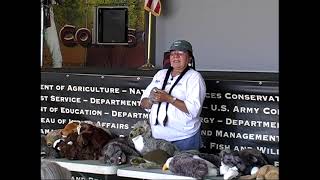
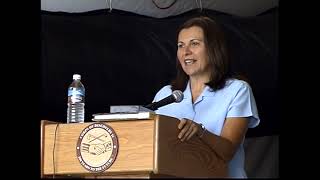
introduction introduction at the top of the hour but for those of you who weren't here welcome to the tent of many voices and the core of Discovery 2 the tent of many voices was designed as a place for people of different professional backgrounds and cultures to come and share with us their knowledge and wisdom as it relates to the Lewis and Clark expedition and so we're very um happy to have Lucy vanderberg with us here today she's going to be talking about Salish language so without further Ado let's welcome Lucy to our stage thank you um in our language we would say Lum which is thank you Lum um and this is the Salish the Salish language um like I said my my name is Lucy vanderberg and I'm the program manager at the people Center in Pablo uh which is seven miles north of uh pson the people Center is a museum and an education uh facility and a a gift shop we and also our we call it native Ed it's uh the tours that they combine with education um um our mission statement is to educate um the public and the public includes not only the tribal members but non-trial members about the three tribes that reside on on what is known as the Flathead reservation um we have the Salish and we like to be called the bitot sales because this this is actually our homeland and uh somebody made a comment this morning and said asked me where I was going and I I told them that I was going to Hamilton they said oh you're going back to your Homeland and I always feel I wasn't born here or anything but I always feel like when I come back to the Bitterroot that it is uh part of my my background and my father was born in Stevensville and he was uh he was a year old when they were uh moved to the to the Joo Joo area there are there are um three tribes that reside on the resid a and that's the the the bito Salish and the Ponder and the cutney um the cutney migrated down from Canada and like I said we went from here to there the Ponderay have always been in between Arley and pson they've always occupied that land um the Cal spell some some of the Spokan uh we've kind of had different tribes that have lived there but um to date we have um approximately about 7,000 enrolled members on that um not all 7,000 live on the reservation um for whatever reason a lot of people do leave the reservation um I left at one time and came back after about 20 years um to be enrolled uh an unrolled member you you uh there's there's criteria that you have to meet um either Salish CNE or Ponderay you have to have at least um 1/4 uh degree of either trib's um degree blood to be enroll an enrolled member and there's a lot of uh um descendants direct descendants that aren't enrolled um because of the the requirement that you have to be 1/4 um I consider myself a full blood Salish uh my mom was was a full blood my dad um like I said was born here and through the years of uh not keeping records um not having that uh you know the closest thing we have of the records being kept in this area people that were born here in Stevensville in the Bidot are the the Jesuit uh the fathers and they didn't start keeping records probably until the late late 1800s um my dad was born in 189 91 or 1890 I'm sorry and um they never did put a a blood degree down for him until the reservation was formed in in in u the Joo is actually where the first agency was and somewhere down the line he ended up being 78 and I could never figure out where that 1/8 went you know uh what is that 1/8 you know I'd like to know um that nobody you know we can't we can't track down our background um because there just wasn't any any record of of anything back Beyond like 1890 and uh so I always uh I always wondering you know what what was that 1 18 you know um so I I consider myself a full blood and we have uh to date probably um a very small amount of full blood um members on the reservation uh probably I would say 50 that are full blood and the full Bloods are the ones that maintain our language um pass it on uh we do a lot of uh Consulting with uh our elders um the Salish language was um an Unwritten language at one time uh the Jesuits did you know they did their version of writing the language after talking you know with the the the Salish um and that was probably the closest thing we had to a written language was is kind of like a dictionary vocabulary word list uh that the Jesuits put out and as years went on you know the elders became concerned because the language being um being lost um the younger Generations um not because life was changing a lot of the parents encouraged the students to um you know like when they go to school you know um don't they'll be speaking in your language because you need to earn learn English um and for survival you know that makes sense um my mother who who attended the ursaline um Academy in in St Ignatius she used recalled a lot of the experiences that she had um there I mean they weren't allowed to speak their language so that was and that was in the the early 1900s and that was kind of when our language became uh threatened um parents Grandparents were um encouraging everyone to um not not speak their language um stay in you know learn as much English as you can now when they were uh brought to like the urine Academy or the the Jesuit the the fathers also had a school that a lot of the Indian children were brought to and they you know they stayed there they just stayed there for um 9 months um the hair was cut there you know I mean they pretty much um really discouraged them from being being themselves and living their own lifestyle um and when they would go home in in the summertime for 3 months and then they they would you know have U be able to because Salish is in my home Salish was my first language um until I went until I got older um probably four or five um and I was the youngest youngest child of uh of a large family um so I learned um English probably when I was about three or four but when I was little it was Salish was my first language because it was spoke in the home um daily I mean that was that was our lifestyle um so I have an advantage over uh the Learners now that we're trying to to bring back the language and teach uh there the language is being taught throughout the reservation now um cuz there there isn't that many uh fluent speakers I I feel fortunate that my parents did um you know they spoke the language in the home all the time um they encourage education um but they also encouraged us to keep our keep our heritage alive and to keep our um culture um and I'm I feel I feel very uh fortunate that I I have this ability to teach my children my grandchildren um other tribal members um and I you know I've taught Lang uh Salish language for probably the last 30 years um I was was hired by they formed in St Ignatius they formed um it was called at the time the Flathead culture committee um and over the years it became Salish and Ponderay culture committee um and one of the things that we found out right at the beginning was the elders wanted to um keep they they wanted to document as much as they could tell us about history uh families uh the Lang everything was done in the language so we we started interviewing large groups of the elders in and tape recording them um way back then it was a little cassette we didn't have the the I guess the the equipment that that we have now you know we could have took videos of them you know we just didn't do that in 78 uh plus we had a limited budget and um we were totally um supported by the elders the elders could see the concern back then that okay if we don't document all this information is going to be lost so that was our job and I worked for the culture committee for 19 years and then I moved uh I moved up to pson and uh went to work for the people Center our job was to get large groups of Elders together and just turn the tape turn the tape recorders we had them um different places around a big conference room and just turn it on and let them talk in their language in 78 there were still um and it was the elders you still heard the language uh a lot now it's very rare to hear the language openly um to hear the language spoken you have to go to the Salish cutney College to a language class or go to a Elders advisory council meeting to hear the language it's just not you don't hear it every day when I was when I was a child growing up um if we were at the local grocery store in Ari or at the post office and people were coming in I mean you heard the language all the time um that's the big advantage that the fluent speakers have now over the Learners I mean the Learners have a real disadvantage because they don't hear it every day they have to hear it from tapes they have to hear it from uh language teachers um and like I said it wasn't a written language um up until 1978 uh we had no alphabet um nothing was really I mean you couldn't write it down and after we had interviewed all these Elders for so long um we knew that we had to translate these tapes and trying to put a Salish word using the English alphabet uh became complicated because yeah we have sounds that come from down in your throat and the English just the I mean you how can you say well even a simple one like uh it's just a that's that's a that's a sound in our alphabet so we're we're trying put T andl together and it um it became real obvious that we needed to to work with a linguist um so what we did was we worked with a linguist out of uh British Columbia and his name was Larry Miller a very young man um who was very patient us um stayed with stayed at the in St Ignatius listened to the elders listened to the culture Committee in everyday conversation and it was uh decided that we would use the internet National phonetic alphabet we ended up with 43 sounds 43 letters um we have this the like the same vowels as as English um English is AE I O and U we have the same we use the same letter but it's instead of AE I O and U is a e i u and O um some of the elders concern was the language is being shortened um we have a lot of words that we say like good day is and if you talk to some people they they they cut off parts of it and it becomes so when you're teaching the language we try to we try to to to teach the the the whole version of a word and sometimes it it gets to be a pretty long word um and there's also between the Salish and the Ponder the Salish and Ponder speak the same language but they have um Community differences uh from like arle and Ronan St ignacius there might be the dialect differences uh we understand each other um but it's just okay we know that okay this is how you say it in ronad this is how the pandere say it this is how you say it in AR Le you know um and when when I was a teacher at the college I I tried to teach all three differences if there was three or two or four um because they're all right they're not you know you can't say this one's wrong because somebody might have grow had grown up with talking in North Crow of ronam this is how their family talked and you can't say they're wrong because they have a little bit of a difference it's it's just like in the English I mean throughout the United States everybody says things a little different um we do have an immersion school that started um in Ari and it's it's with a real small from probably a year old to age three um they have an enrollment of 30 and um they're they are doing uh I think a fantastic job of uh instilling the language and the sounds and the um everyday cultural Lifestyles into um the small small children because they won't they're not getting it at home so um the school is has taken it upon themselves to do this and I think it's uh it's been in operation for probably about 5 years now and once they leave the emerence school and they go in to head start at four they it's it's like it's picked up from where they left off Head Start will pick up uh the language uh instruction from there and once they go into kindergarten or uh the first grade all the all the public schools on the reservation have the Salish Ponder and the cutney language in the schools uh AR Le has one of the biggest probably the biggest um involvement uh they have the you know AR Le has always accepted um the Salish language as a um and they get it from kindergarten through high school and once they get through high school if they CH if they choose to go to the Sal scy College um they can continue to pursue that language uh instruction there uh the college does does a wonderful job of of teaching hiring teachers there um pson school is the the only school on the reservation that does the cutney the cutney occupy the northern part of the reservation Elmo Dayton Big Arm um and pson so um it's it's it makes me feel good when I go to the schools and I hear they're having you know I'll sit in on some of the cutney classes and sit in on some of the Salish classes and um we are making strides we are making um steps towards preserving and re and re reintroducing the language throughout the reservation it's you know my my children I have three girls who have married and they're they're not around as much as I as I would like I guess but they you know they they learned the most and and I'm ashamed to say this they learned the most language from my mom uh because I spent a lot of time with her you know um she had a cultural camp that she ran for three months every summer and they just stayed there the whole three months and they learned probably the most from her and but my grandkids I have seven grandkids and I try to instill in them the urgency I call it an urgency to to to remember your language remember your heritage remember your background um and it it helps that all other schools are are are doing this um this past spring I was um involved with a college with a a group of nine and we' always heard about the Maui in New Zealand that had this excellent excellent program immersion program that they totally turned around their language was like ours that was being um pushed aside it was being losted and they completely turned that around with uh the immersion schools like the one that we have started in RI we only have the one um but I was uh fortunate to to go to New Zealand in in March and um we stayed there for 6 weeks and we worked with all the different schools the the dayc carees the head starts the junior high the high school and the colleges the universities in New Zealand um and we came away with a lot of a lot of material a lot of uh curriculum that we can incorporate into our efforts to to preserve our language um I enjoyed myself there um it was a little too hot for me but um it was it was good to see little children speaking their language um all the time I mean it was like I remember how my language used to be um so we're on the road to uh maybe getting another emerging School uh in a different location and um you know if we can just work together as a tribe tribes and work together as communities um we can we can get that language back um like I said we have 43 sounds I call them sounds because some of them have little extra things along them um teaching the languages is is a way of teaching your culture if you if you know your culture you're going to know your language and to know your culture you have to learn the language um all these tapes that we did over the years uh is all in sales and if you want to listen to those tapes and if it's going to make any sense to you you have to know your language they've been translated and uh the culture committee is putting out um different I don't know how many volumes but they they just one was just uh released um about a month ago and it was on the Lewis and Clark um Encounters in in the bitot and there was a volume by itself um all interviews of Elders that have that have passed on um and they have a place names um all of these place names throughout the bito valley um in in Salish um sometimes I I I would like to go back to the culture committee and work with them because they're uh really struggling to keep keep that preservation and um but that's what we're doing at the people Center too um this lady that came with me today she's our education director and we hold classes at the people Center language um history uh stories storytelling um plus we have the museum we have a we have a small Museum it's not a large one um we hope to and you know expand on that someday um we're limited in our language teachers um we have um a lot of the students that are now in college that have taken the language throughout the years um are very capable of teaching the language but are um hesitant because they're put on the spot you know when you're teaching something you're kind of put on the spot and the students expect you to not make any mistakes you know and these new Learners they're they're fluent I guess um passive fluent they they understand the language they they can do the basics um and but afraid to get into a conversation with an elder because the Elder will stay in the language and you should too but it's uh sometimes it's hard being um a fluence speaker and a teacher myself sometimes it's hard to stay in in the Salish language um because you there's so many things that we don't have words for and that's what the the the elders advisory Council which we have one uh on the south end and one on the North End we don't have words for microphone uh camera you know the the modern things so it's it's up to the elders to sit down with a list and try to come up with something that describes a microphone describes a video camera and just office equipment you know I mean because we did we didn't have those things when the language was so it's it's up to the elders to um try to find something that describes that basically what we're doing is making up words um I don't want to be accused of making up any words so I let the elders do that um and they've come up with a a a long you know it's it's like an ongoing thing every time something new comes out the kids now want to know how do you say uh Xbox you know and so we have to describe this to elders and they so then they come up with you know so you know the the kids always want to know how do you say this how do you say that and and it sometimes it's pretty challenging to come up with something that but everybody's in agreement with I guess um so the the language is one of the things that the whole tribal membership um is struggles with but yet is in support of um within all the schools and uh the the teachers um we work with the state um to certify um language speakers um if if you know if you go to college and you have to take a foreign language we're trying to get it so s isues that foreign language which is um it always confuses the elders because they're saying well it's not a foreign language to the to to the like the university in Montana um to them it is a foreign language so then they you know we have to certify our own Learners in our language to qualify for that foreign language uh requirement um the council the tribal council um they're very supportive of uh the elders the language teachers um the schools supportive I guess in and uh yeah you're doing a good job kind of thing you know uh verbally um we don't always get the support and which is um like with anything any any any um business um your your Li budget your budget is limited there's only so much you can do and you know we try to fund raid we try to get grants and it's um it's an ongoing thing I mean it's like every day you get up and you you're trying to think of okay what can I do today to make this more uh simple for the schools uh and the teachers in the schools on the reservation um throughout uh all the way to um Dayton Dayton has a real small school they have like nine students um in September the every third week in September we have our Native American awareness week and schools all the schools on reservation will come to the people Center the people Center has been designated as the place to because it's big enough that we can um accommodate probably oh we've had up to 400 kids at one time um and we go through stations um whether it's game native games history language and they can also take um tours of the museum um I did bring along some um some books of of our language uh the alphabet um it kind of describes it I didn't uh you know I didn't uh do copy make copies but if you're interested uh we do have a our website for the people Center and the college and just you know if you wanted to call anywhere uh the culture committee or the people Center we'd be more than happy to to help we we get we have a travel member who is a teacher at Coral's and he always brings this uh bus load of kids to um to the people Center and we get people from the bitot valley a lot just coming to to there and I have a really a good staff who's uh they don't have to be told every day to what to do so they just kind of do it and I'm I'm happy for that um if you have any questions I would be more than happy to to answer them do anyone have any questions for Lucy oh one back here just a sec let me get the microphone so every everyone can hear I just wanted to ask you if you are related to Agnes vanderberg Agnes was my mother I have a picture after you're done to show you that I took of her in Washington DC oh yeah okay wow any other questions up here just a sec this gentleman in the is there any other language in the world that is close to the Salish language like Spanish and Italian is close you know what I mean yeah um some of the linguists that we worked with we worked with Larry m we worked with um Anthony matina at University and then um Sally Thompson from Pennsylvania and um um Steve vegal from Hawaii now he said Steve tells me that um the linguistic part of of like the sounds that we make is a lot like Russian so I don't know we have a lot of lot of words that come from from here and then they move down um like the is you the it's almost like clear in your throat it's it's a sound that's made down here which is good and we have um some of the others like um it's uh we ended up with 43 sounds and U we could probably have more according to one of the linguists he wanted to add the Fingal in but uh okay 43 is enough you know let's just stick with those question over here can you in Sage count slowly 1 through 10 and can you recite the the months of the year okay it has a a glot stop at the end I mean you're actually cutting off the moose and that's 1 through 10 and the once you learn 1 through 10 you pretty much got made uh because what you do after you get past 10 is you take 10 and and then you just start over 10 and one is 11 so you got 11 so learn one through 10 and you can kind of figure it out uh the months of the year January is we put at the end of each the first sound or the first word because that means month is the the how do I explain this um the the New Year the beginning they didn't go by years back then they went by Seasons but it actually it came out that January is the the beginning of the winter season the winter months um February is um and that means that's just the coldest coldest month um March is and that's the literal translation is the the month of the geese um when the geese are L whichever way they go I don't know um April is staman is the flower the Buttercup and and it's um a lot of the the seasons went by flowers trees animals June is um the cam the month of the month of the C the bulb which we we still gather today uh and that's uh just lost it um but that after it's cooked it's called e and I always tell my students to remember um the word e is you can eat it and it actually has the very the very beginning is kind of like eat uh after it's baked um and you could eat it July is the um celebration after if you want to look at January February March April and May June is right in the middle um July is the the time to after Gathering Gathering the new the the harvesting the the herbs and the berries in July was a time to celebrate a time to um I guess relax until you started the the process process again for the fall and the winter um July was and now they call it July c h u l a y August uh and that was Huckleberry um sta um that was when a lot of the people did went out P tuckle berries choke cherries all the berries that are right then September was and that's Choke Cherry after the first Frost is when they they picked the choke cherries and they pounded and kept dried and kept a lot of the foods were was dried um the drying process was after they're completely dried you can put them away and they're they'll last you know they they just like they do now with dehydrated Foods um October is um and that means the hunting month hunting for the big game the elk moose deer and I'm sure a long time ago the Buffalo it was the strip it was all the hunting November is was the trapping it's that was the trapping month when they trapped for The Furs the the beaver the weasel the um mink um muskrat um and December is the there's controversy on that and one one part like I said you know the community differences December was theu the storytelling because we don't we don't tell any of our creation stories until the snow or like they say until the snow flies we don't tell any creation stories and by creation stories I mean the the stories that we have about um the ber Valley and and the coyote the coyote was in instrumental in a lot of our creation stories and that was why they called it the the month of Storytelling well thank you Lucy that was great thanks for that question that was a good question thank you if anyone has any other questions for Lucy I'm sure she'll be around here for a little bit and you can come up and ask them personally to her we're going to e for